
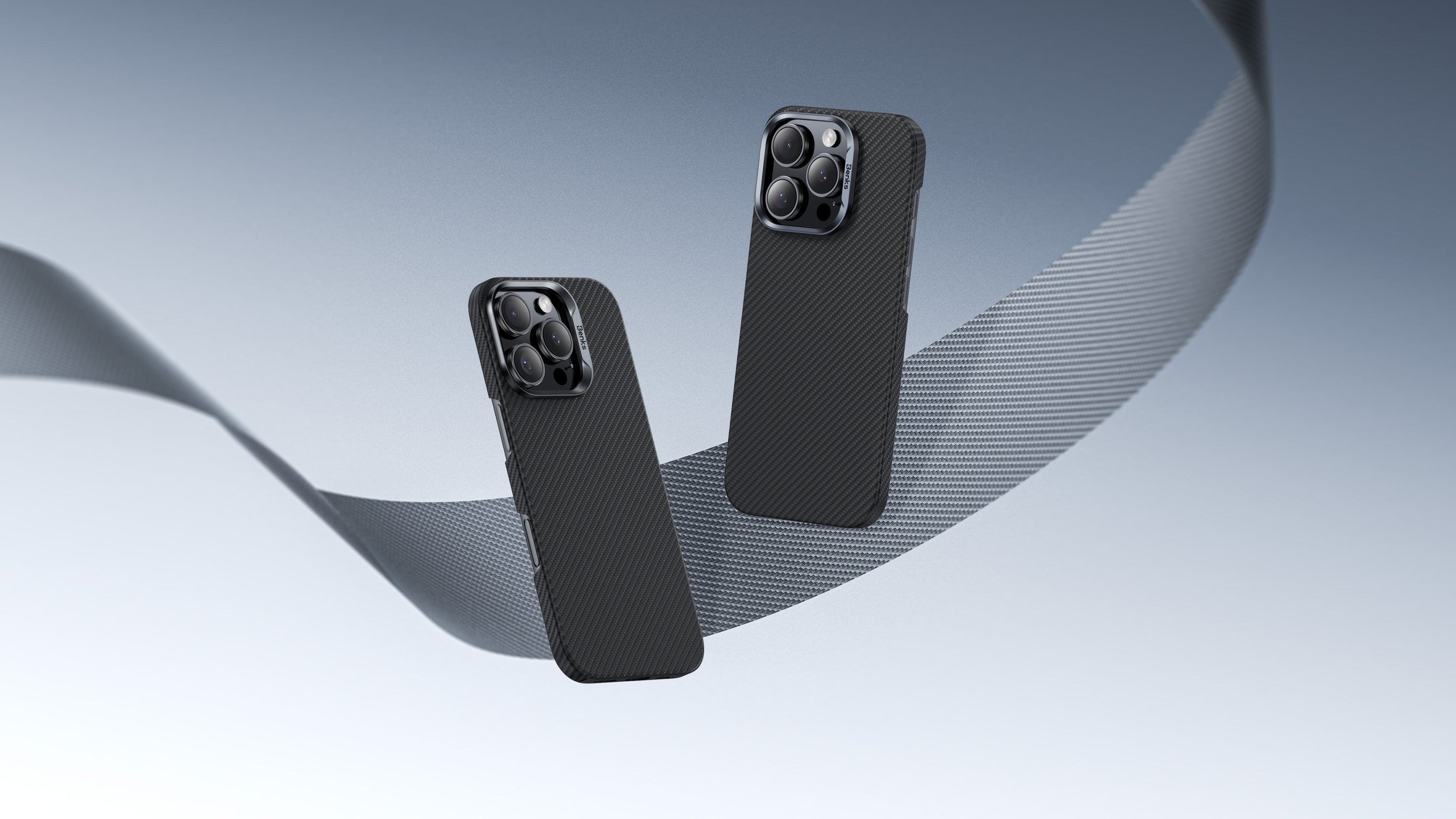
Why Are Kevlar® Phone Cases Expensive?
In recent years, Kevlar® phone cases have become increasingly popular among users who want a lightweight, durable, and stylish option to protect their devices. However, many people wonder why Kevlar® cases often come with a higher price tag compared to other materials like polycarbonate (PC) or TPU. In this article, we’ll break down the science behind Kevlar®, why it costs more, and whether it’s worth the investment.

What Is Kevlar® and Why Is It So Strong?
Kevlar® is an aramid fiber originally developed by DuPont™, known for its exceptional strength-to-weight ratio. It’s five times stronger than steel, yet extremely lightweight. This unique material is widely used in bulletproof vests, aerospace technology, and military-grade protective gear.
Why Is Kevlar® So Expensive?
-
High Production Costs
The manufacturing process of Kevlar® fiber is complex and costly. It involves high-temperature polymerization, which requires specialized equipment and strict quality control to ensure durability. -
Limited Availability & Brand Certification
Genuine Kevlar® fiber is produced by DuPont™, making it a branded, high-end material with limited availability. Phone case manufacturers using certified DuPont™ Kevlar® have to meet strict material quality and licensing requirements, adding to the cost. -
Advanced Processing Technology
Unlike typical plastic or silicone cases, Kevlar® cases require intricate weaving, cutting, and layering to maintain rigidity and flexibility while ensuring proper heat dissipation. The precision engineering involved in crafting a Kevlar® phone case makes it more expensive to manufacture. -
Lightweight but High Performance
Many high-end smartphone cases are bulky to provide strong protection. Kevlar® cases, on the other hand, offer superior strength while remaining ultra-slim. This combination of strength, thinness, and style makes them a premium choice for users who want both protection and aesthetics.
Are All Kevlar® Cases Overpriced?
Many Kevlar® phone cases on the market come with a premium price tag—often $90 to $120 or more. However, not all Kevlar® cases are created equal, and some brands charge excessively high prices without offering additional value.
Benks Kevlar® Case: Certified Quality at a Better Price
At Benks, we believe that a premium Kevlar® phone case should be both affordable and high-performance. Here’s why Benks Kevlar® cases stand out:
- Official DuPont™ Kevlar® Certification – We use genuine Kevlar® fiber from DuPont™, ensuring top-tier quality and durability.
- More Affordable Than Competitors – While other brands price their Kevlar® cases at $90+, Benks offers the same high-quality Kevlar® cases at a more accessible price.
- Slim Yet Durable Design – Our Kevlar® cases provide scratch resistance, impact protection, and MagSafe compatibility without adding bulk.
- Sleek Aesthetic with Enhanced Grip – Designed for those who value both style and functionality, our Kevlar® cases offer a premium texture and secure grip.
Should You Invest in a Kevlar® Case?
If you’re looking for a case that offers both premium protection and a sleek, lightweight design, a Kevlar® case is an excellent investment. While the manufacturing costs and brand certification make them pricier than regular phone cases, they provide superior durability, scratch resistance, and an unmatched premium feel.
However, you don’t have to overpay for quality. With Benks’ Kevlar® case, you get all the benefits of genuine DuPont™ Kevlar® at a fair price, ensuring that your device stays protected without breaking the bank.
Explore Benks Kevlar® Cases Today
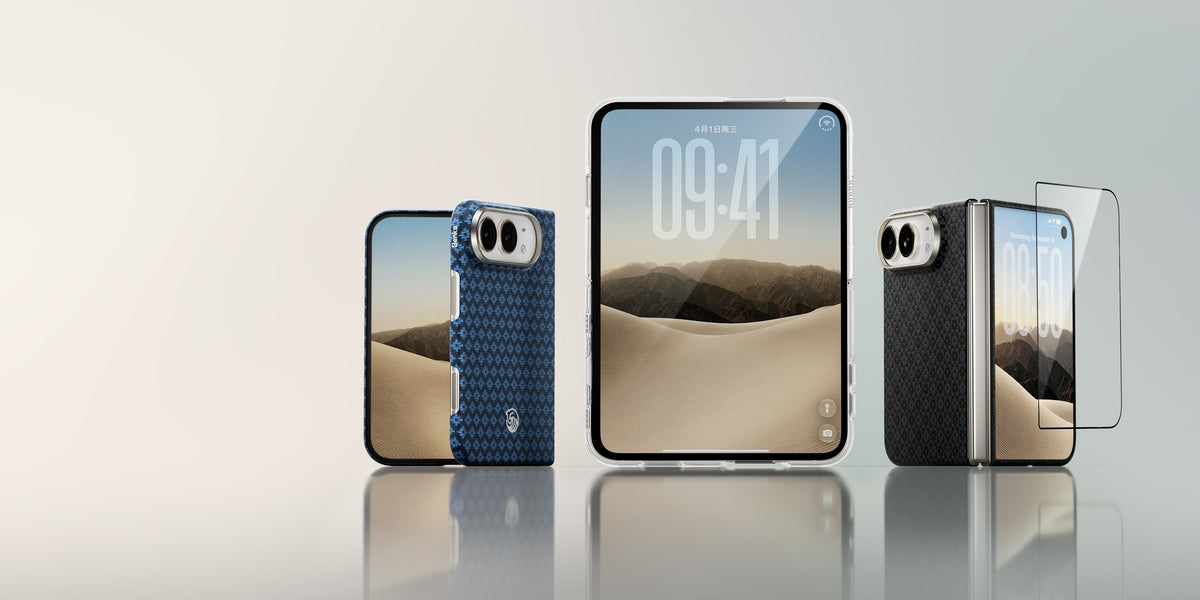
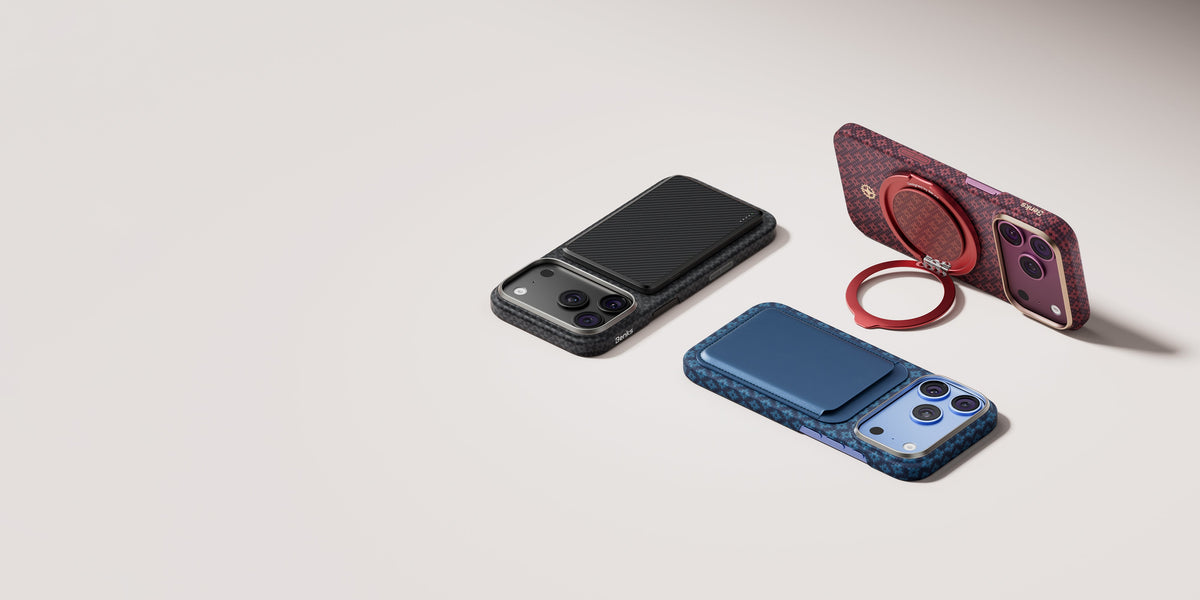
Looking for a Kevlar® phone case that offers premium quality at a better price? Check out Benks ArmorAir and ArmorPro cases, designed with genuine DuPont™ Kevlar® fiber for the ultimate balance of protection and style.


Hinterlasse einen Kommentar
Diese Website ist durch hCaptcha geschützt und es gelten die allgemeinen Geschäftsbedingungen und Datenschutzbestimmungen von hCaptcha.