Artikel:
Why DuPont™ Kevlar® is chosen, not carbon fiber?
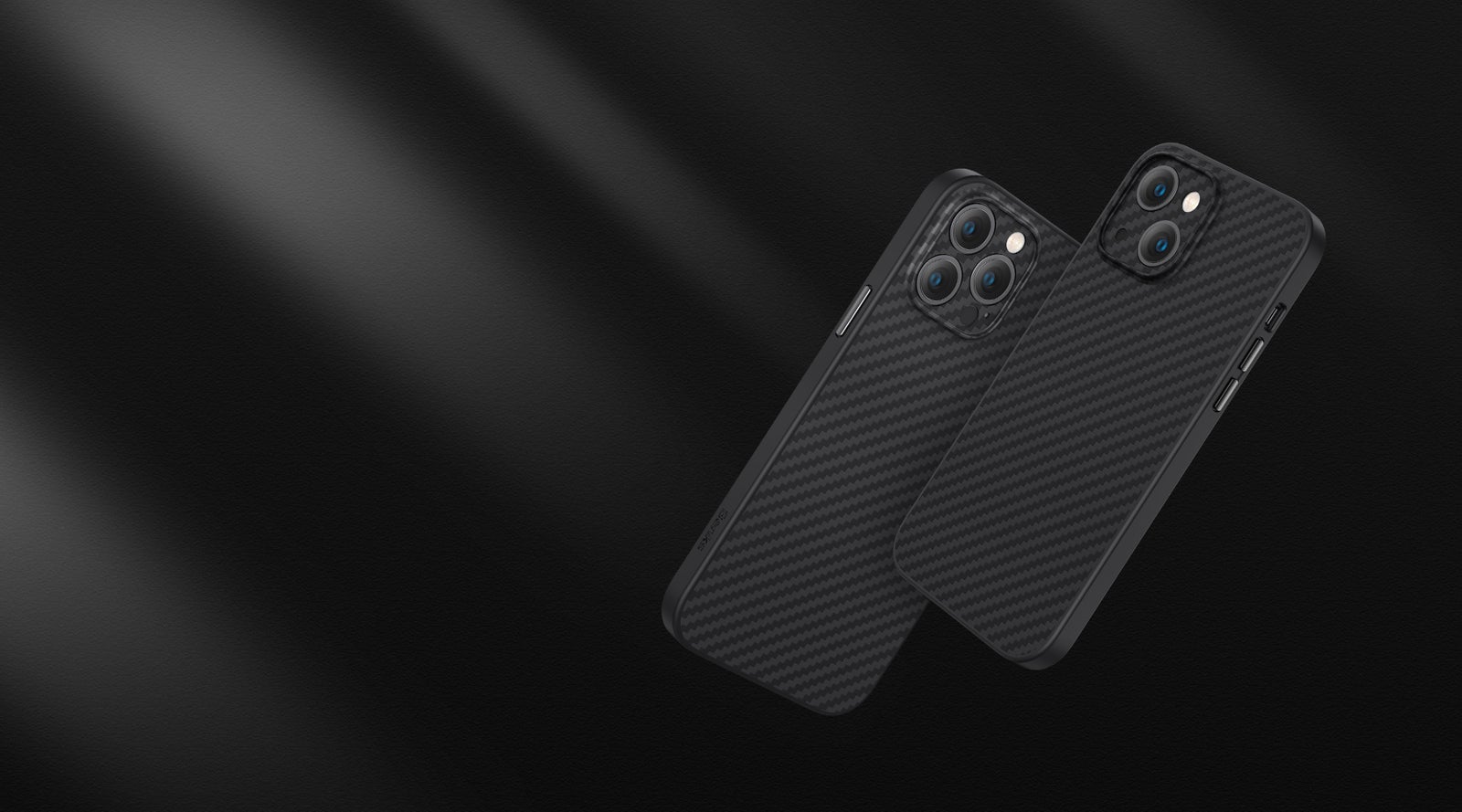
Why DuPont™ Kevlar® is chosen, not carbon fiber?
In 1965, scientists at DuPont discovered a new method of producing an almost perfect polymer chain extension. The polymer poly-p-benzamide was found to form liquid crystalline solutions due to the simple repetitiveness of its molecular backbone. The key structural requirement for the backbone is the para orientation on the benzene ring, which allows the formation of rod-like molecular structures. These developments led to the current formulation for Kevlar®. DuPont utilized this polymer science and technology to develop a high-strength Kevlar® aramid fiber.
Developed over 50 years ago, Kevlar® fiber is well-known for its performance and reliability. The strength of Kevlar® is five times that of steel of the same weight, and the density is only 1/5 of that of steel. Kevlar® has been used in applications ranging from space suits to body armor, from auto to commercial aircraft. It is also used in many consumer products.
Comparably, carbon fiber is also stronger than steel but lighter. It is composed of crystalline carbon and is not easy to process and take shape. It has many similar characteristics as Kevlar®. But it is electroconductive and it would interference with the signal transmission. That is why we opt out of making protective case with this carbon fiber material.
The Manufacturing Process
Starting with weaving the Kevlar® fibers into fabrics and then it would be soaked in resin for hardened Kevlar® fiber. The aluminum phone mould will be covered with rubber model and in between we put the hardened Kevlar® fiber. And then we use equipment to vacuum and then starts to mold in the high temperature container. Now the back panel of a phone case is ready. Laser cutting is used to take care of the details, such as the edges or cameras. We then polish the case and spray the surface for a smoother touch.
Benks releases its first phone case built with DuPont™ Kevlar® fiber, MFM certification and MIL-STD-810H at the same time. In addition to using highly durable Kevlar® material, Benks innovated the technology to combine TPU frame with Kevlar® back panel. Most companies fail in providing this solution due to the high defective rate of combining these two materials, but it was achieved through multiple attempts. It is a breakthrough in the industry.

<div class="dynamic-checkout__content" id="dynamic-checkout-cart" data-shopify="dynamic-checkout-cart"> <shopify-accelerated-checkout-cart wallet-configs="[{"supports_subs":true,"supports_def_opts":false,"name":"shop_pay","wallet_params":{"shopId":47053930645,"merchantName":"Benks","personalized":true}},{"supports_subs":false,"supports_def_opts":false,"name":"paypal","wallet_params":{"shopId":47053930645,"countryCode":"HK","merchantName":"Benks","phoneRequired":true,"companyRequired":false,"shippingType":"shipping","shopifyPaymentsEnabled":true,"hasManagedSellingPlanState":false,"requiresBillingAgreement":false,"gatewayType":"CONNECTED","merchantId":"ESZRRAH2DLBQ2","sdkUrl":"https://www.paypal.com/sdk/js?components=buttons\u0026commit=false\u0026currency=USD\u0026locale=de_DE\u0026client-id=AexZEtAxk09Ncgj6FSWFFyGKbxxAZ_LTyJ2DPdJWl1YUlecinmc5AfIaRF2qYjWlusWahlzz6SVkY5Ci\u0026merchant-id=ESZRRAH2DLBQ2\u0026intent=authorize","serviceableCountryCodes":["AE","AL","AO","AR","AT","AU","AZ","BA","BE","BG","BH","BN","BR","BY","CA","CH","CL","CN","CO","CR","CY","CZ","DE","DK","DZ","EE","EG","ES","FI","FR","GB","GH","GR","HK","HR","HU","ID","IE","IL","IN","IS","IT","JO","JP","KE","KH","KR","KW","KZ","LK","LT","LU","LV","MA","MC","MD","MM","MO","MT","MX","MY","NG","NL","NO","NZ","OM","PE","PH","PK","PL","PT","QA","RO","RS","RU","RW","SA","SE","SG","SI","SK","TH","TW","TZ","UA","UG","US","VA","VN","ZA"]}}]" access-token="56b154c2f9adbcff9e5af72e4c299297" buyer-country="US" buyer-locale="de" buyer-currency="USD" shop-id="47053930645" cart-id="82ac5a9fd87ba6f41232ec08bd8f6e0b" enabled-flags="["a1d1f9a1"]" > <div class="wallet-button-wrapper"> <ul class='wallet-cart-grid wallet-cart-grid--skeleton' role="list" data-shopify-buttoncontainer="true"> <li data-testid='grid-cell' class='wallet-cart-button-container'><div class='wallet-cart-button wallet-cart-button__skeleton' role='button' disabled aria-hidden='true'> </div></li><li data-testid='grid-cell' class='wallet-cart-button-container'><div class='wallet-cart-button wallet-cart-button__skeleton' role='button' disabled aria-hidden='true'> </div></li> </ul> </div> </shopify-accelerated-checkout-cart> </div>



Hinterlasse einen Kommentar
Diese Website ist durch hCaptcha geschützt und es gelten die allgemeinen Geschäftsbedingungen und Datenschutzbestimmungen von hCaptcha.