Article:
How Durable Will the Samsung Galaxy S26 Ultra Be? What the Specs Really Mean

How Durable Will the Samsung Galaxy S26 Ultra Be? What the Specs Really Mean
With the Galaxy S26 Ultra launch approaching, early specifications suggest a powerful flagship device featuring a large Dynamic AMOLED 2X display, advanced camera hardware, and a refined metal-and-glass build.
But as impressive as these upgrades sound, one question remains: how durable will it be in real-world use?
A Bigger Display Means Greater Impact Risk
The S26 Ultra is expected to maintain its large 6.8-inch class display. While this enhances immersion and productivity, it also increases surface exposure.
Larger screens typically mean:
-
More contact area during accidental drops
-
Greater visibility of scratches
-
Higher stress concentration at corners
Even strengthened glass cannot completely eliminate impact vulnerability.
Larger Camera Modules Add Structural Pressure
Modern flagship cameras continue to grow in size. With multiple lenses and larger sensors, the S26 Ultra is likely to feature a pronounced rear camera module.
That design delivers better photography — but it can also introduce:
-
Increased lens surround exposure
-
Surface abrasion when placed flat
-
Greater stress on impact zones
These aren’t flaws. They’re trade-offs of advanced hardware.
Premium Materials Still Have Limits
Samsung’s flagship devices typically combine reinforced glass with high-grade metal frames. While this provides rigidity and premium feel, durability in lab tests doesn’t always reflect daily wear.
Common real-world stress factors include:
-
Pocket friction from keys
-
Table surface scratches
-
Short-height drops onto hard floors
-
Corner-focused impact points
Even strong materials can accumulate cosmetic damage over time.
Why Thoughtful Protection Matters
Durability isn’t just about surviving major drops — it’s about maintaining long-term condition. Preserving a flagship device means protecting:
-
Display clarity
-
Camera integrity
-
Frame finish
-
Resale value
That’s why many users look for lightweight structural reinforcement rather than bulky protection.
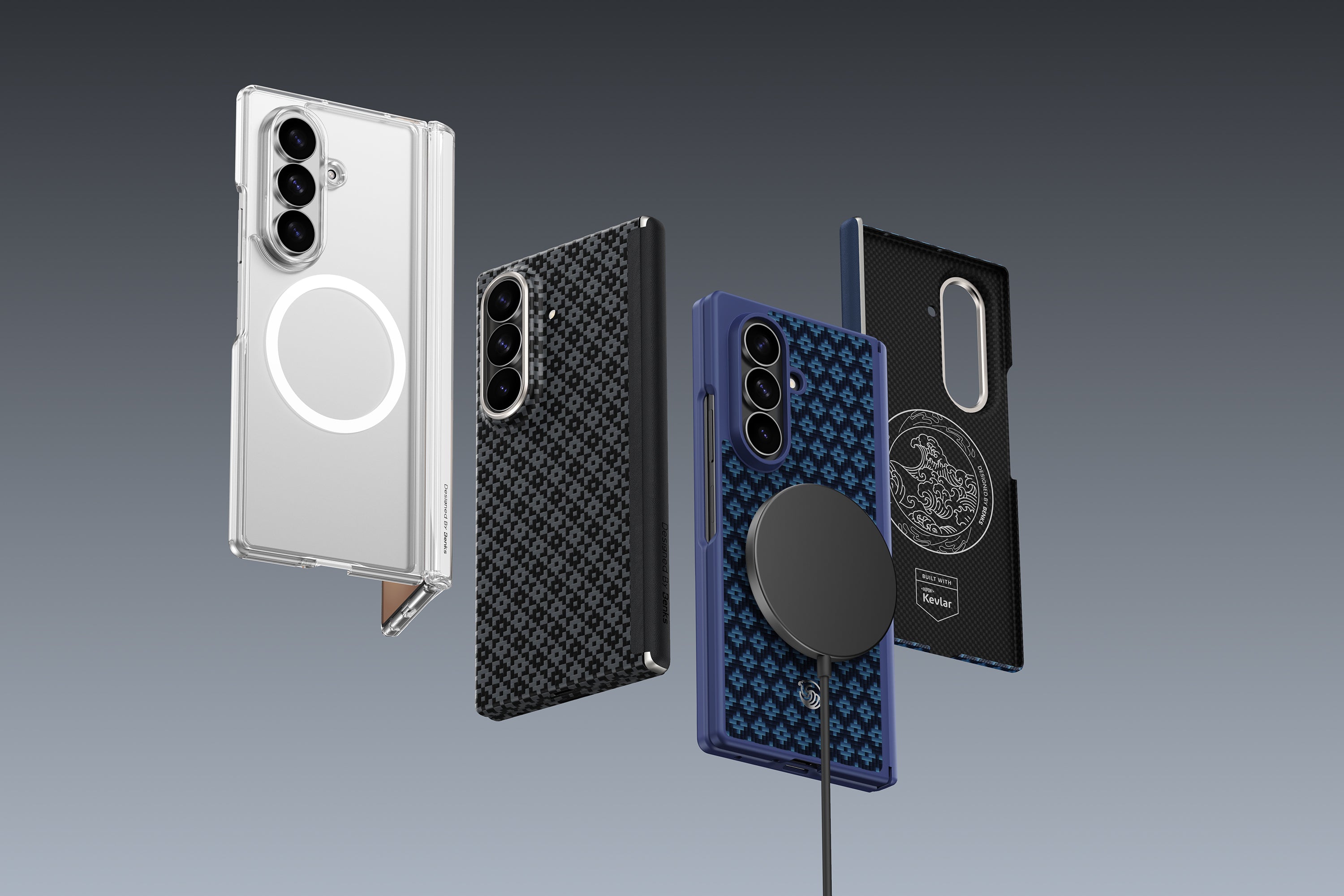
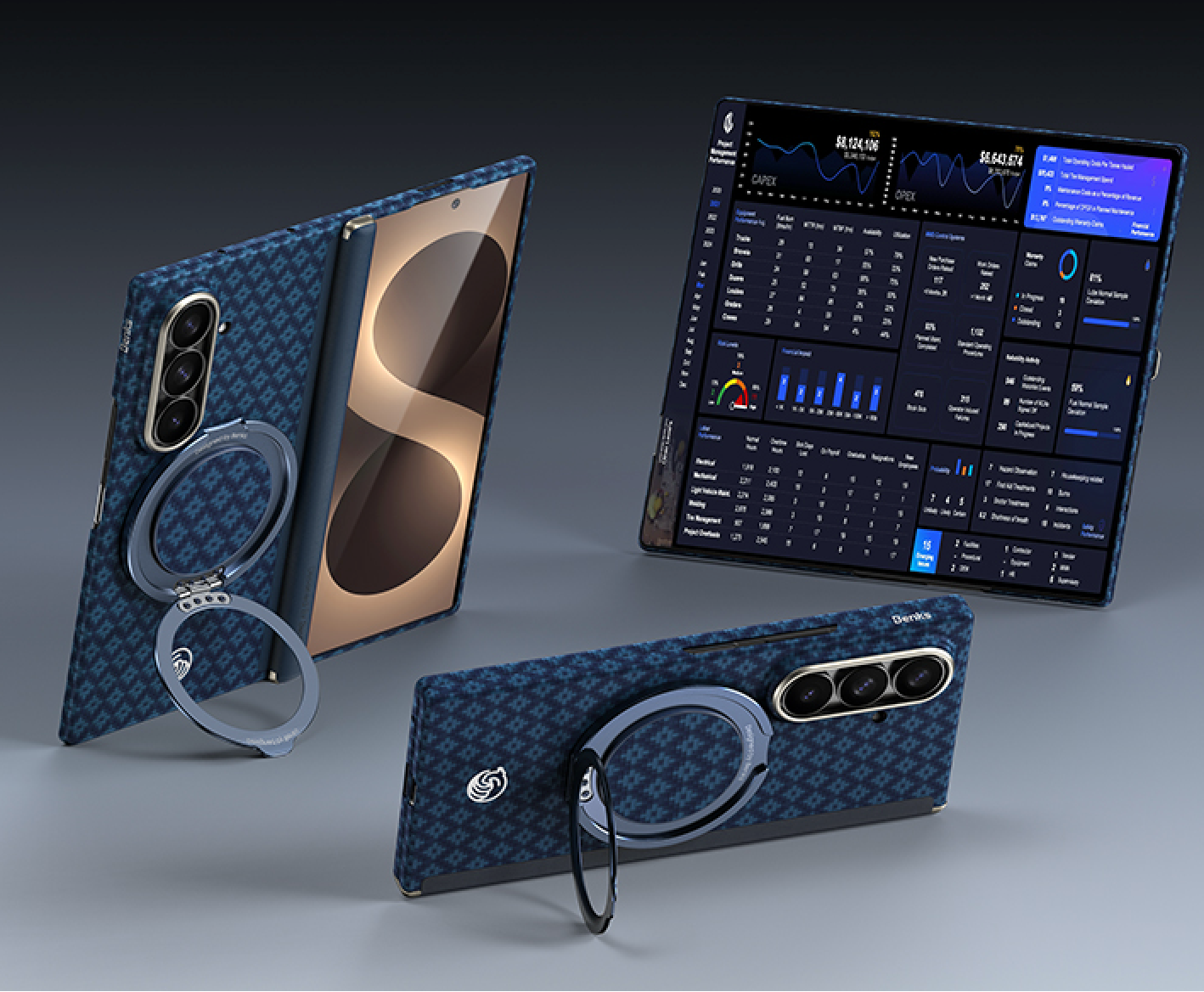
High-performance materials such as aramid fiber are increasingly used in modern case design because they offer strength without excessive thickness.
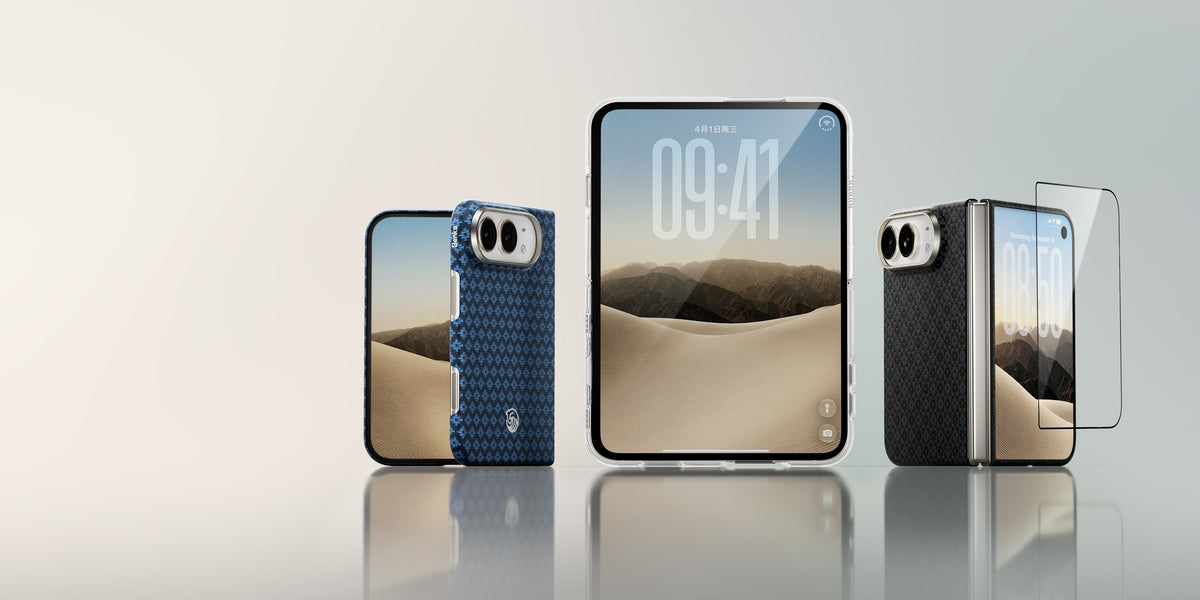
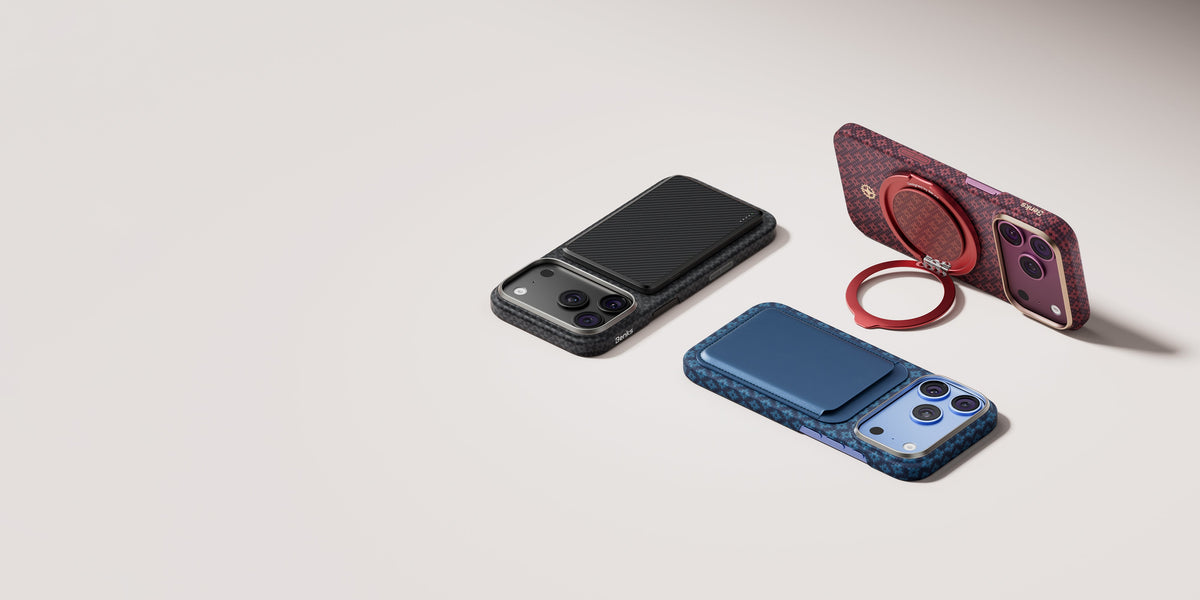
You can explore protection options in the Benks S26 Ultra collection here.
<div class="dynamic-checkout__content" id="dynamic-checkout-cart" data-shopify="dynamic-checkout-cart"> <shopify-accelerated-checkout-cart wallet-configs="[{"supports_subs":true,"supports_def_opts":false,"name":"shop_pay","wallet_params":{"shopId":47053930645,"merchantName":"Benks","personalized":true}},{"supports_subs":true,"supports_def_opts":false,"name":"paypal","wallet_params":{"shopId":47053930645,"countryCode":"HK","merchantName":"Benks","phoneRequired":true,"companyRequired":false,"shippingType":"shipping","shopifyPaymentsEnabled":true,"hasManagedSellingPlanState":false,"requiresBillingAgreement":false,"gatewayType":"CONNECTED","merchantId":"ESZRRAH2DLBQ2","sdkUrl":"https://www.paypal.com/sdk/js?components=buttons\u0026commit=false\u0026currency=USD\u0026locale=en_US\u0026client-id=AexZEtAxk09Ncgj6FSWFFyGKbxxAZ_LTyJ2DPdJWl1YUlecinmc5AfIaRF2qYjWlusWahlzz6SVkY5Ci\u0026merchant-id=ESZRRAH2DLBQ2\u0026intent=authorize","serviceableCountryCodes":["AE","AL","AO","AR","AT","AU","AZ","BA","BE","BG","BH","BN","BR","BY","CA","CH","CL","CN","CO","CR","CY","CZ","DE","DK","DZ","EE","EG","ES","FI","FR","GB","GH","GR","HK","HR","HU","ID","IE","IL","IN","IS","IT","JO","JP","KE","KH","KR","KW","KZ","LK","LT","LU","LV","MA","MC","MD","MM","MO","MT","MX","MY","NG","NL","NO","NZ","OM","PE","PH","PK","PL","PT","QA","RO","RS","RU","RW","SA","SE","SG","SI","SK","TH","TW","TZ","UA","UG","US","VA","VN","ZA"]}}]" access-token="56b154c2f9adbcff9e5af72e4c299297" buyer-country="CA" buyer-locale="en" buyer-currency="USD" shop-id="47053930645" cart-id="77f78d6c18963aca7d0da9dae2c6310a" enabled-flags="["1172c16a","a1d1f9a1","f5afabb3","370070f3"]" > <div class="wallet-button-wrapper"> <ul class='wallet-cart-grid wallet-cart-grid--skeleton' role="list" data-shopify-buttoncontainer="true"> <li data-testid='grid-cell' class='wallet-cart-button-container'><div class='wallet-cart-button wallet-cart-button__skeleton' role='button' disabled aria-hidden='true'> </div></li><li data-testid='grid-cell' class='wallet-cart-button-container'><div class='wallet-cart-button wallet-cart-button__skeleton' role='button' disabled aria-hidden='true'> </div></li> </ul> </div> </shopify-accelerated-checkout-cart> </div>




Leave a comment
This site is protected by hCaptcha and the hCaptcha Privacy Policy and Terms of Service apply.