
Is Aramid Fiber the Same as Kevlar? The Difference Explained
Aramid fiber and Kevlar are related but not the same thing. Aramid fiber is the broad material category — a class of synthetic polymer with tensile strength approximately 5 times that of steel at equal weight. Kevlar® is DuPont™'s trademarked brand name for their specific para-aramid fiber formulation. All Kevlar is aramid fiber. Not all aramid fiber is Kevlar. The distinction matters for phone cases because only manufacturers authorized by DuPont™ can label their products with the Kevlar® name — and authorization requires the product to meet DuPont's manufacturing standards.

Table of Contents
- What Is Aramid Fiber
- What Is Kevlar
- The Practical Difference Between Aramid and Kevlar
- Not All Aramid Fiber Cases Are Kevlar
- How to Identify a Genuine Kevlar Case
- Does the Kevlar Brand Name Matter for Phone Cases?
- Other Aramid Fiber Brand Names
- FAQ
What Is Aramid Fiber
Aramid fiber is a class of heat-resistant, high-strength synthetic fiber. The name is a contraction of "aromatic polyamide" — the chemical structure that gives the material its properties. Aramid fibers are made from long-chain polyamide molecules in which at least 85% of the amide bonds are attached directly to two aromatic rings. This molecular arrangement creates a rigid, crystalline structure with exceptional tensile strength relative to its weight.
There are two main types of aramid fiber: meta-aramid and para-aramid. Meta-aramid (brand name: Nomex®, also DuPont) is used primarily for heat and flame resistance — it appears in firefighting gear, aircraft insulation, and electrical insulation. Para-aramid is the high-strength variant used in ballistic protection, aerospace components, and phone cases. Kevlar® is a para-aramid.
Aramid fiber is non-conductive. This property distinguishes it from carbon fiber, which looks similar but conducts electricity and causes measurable signal interference when used in phone cases. Aramid fiber cases produce zero electromagnetic interference with Wi-Fi, 5G, GPS, or NFC. See how different case materials affect phone signal for the full comparison.

What Is Kevlar
Kevlar® is a para-aramid fiber developed by DuPont chemist Stephanie Kwolek in 1965. It was the first commercial para-aramid fiber and became the benchmark for the material category. DuPont introduced Kevlar® to the market in the early 1970s, initially for tire reinforcement and later for ballistic protection. Today it appears in approximately 200 product categories including body armor, aircraft components, boat hulls, racing car chassis, and consumer electronics accessories.
DuPont controls the Kevlar® trademark internationally. Manufacturers who want to label their products as containing Kevlar® must license the brand from DuPont and meet DuPont's material specifications. The license covers both the use of the brand name and the use of the specific DuPont-produced fiber. A manufacturer that uses generic aramid fiber produced by a different company cannot call their product "Kevlar" — even if the fiber meets the same technical specifications.
The DuPont™ authorization is verifiable. Authorized manufacturers receive the right to use the Kevlar® brand mark and the DuPont™ name together — specifically in the format "DuPont™ Kevlar®" in product descriptions. If a product claims to use Kevlar but does not include the DuPont™ authorization statement, the claim is unverifiable.

The Practical Difference Between Aramid and Kevlar
At the molecular level, authorized Kevlar® fiber and high-quality generic para-aramid fiber are both para-aramid polymers with similar chemical structures. The practical differences come from manufacturing consistency and quality control.
DuPont's Kevlar® production involves proprietary processes that control fiber diameter, crystallinity, and tensile uniformity. These controls produce a fiber with consistent mechanical properties across production batches. Generic aramid fiber producers may achieve comparable properties in their best production runs, but without the same quality control infrastructure, consistency across batches is harder to guarantee.
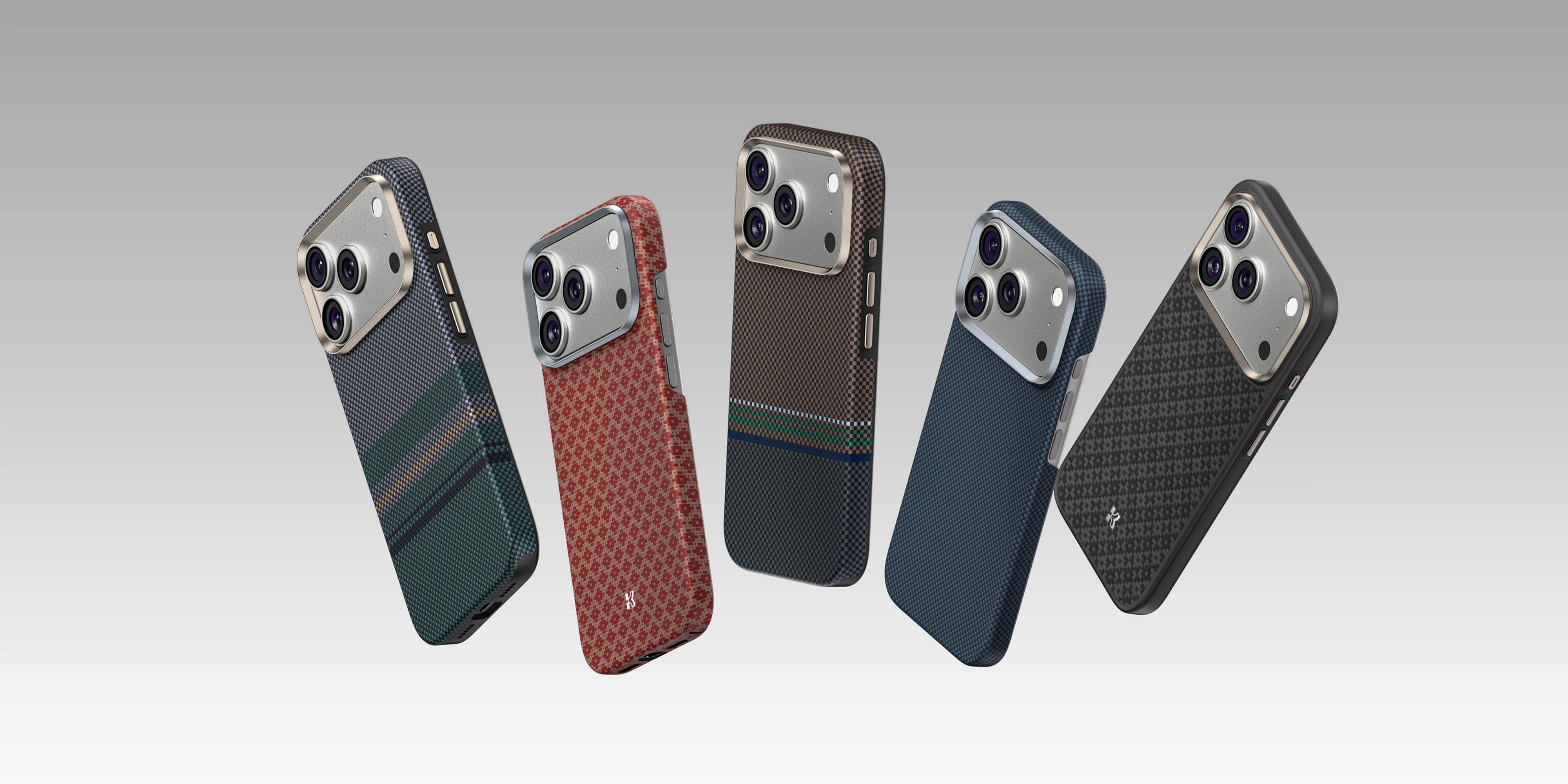
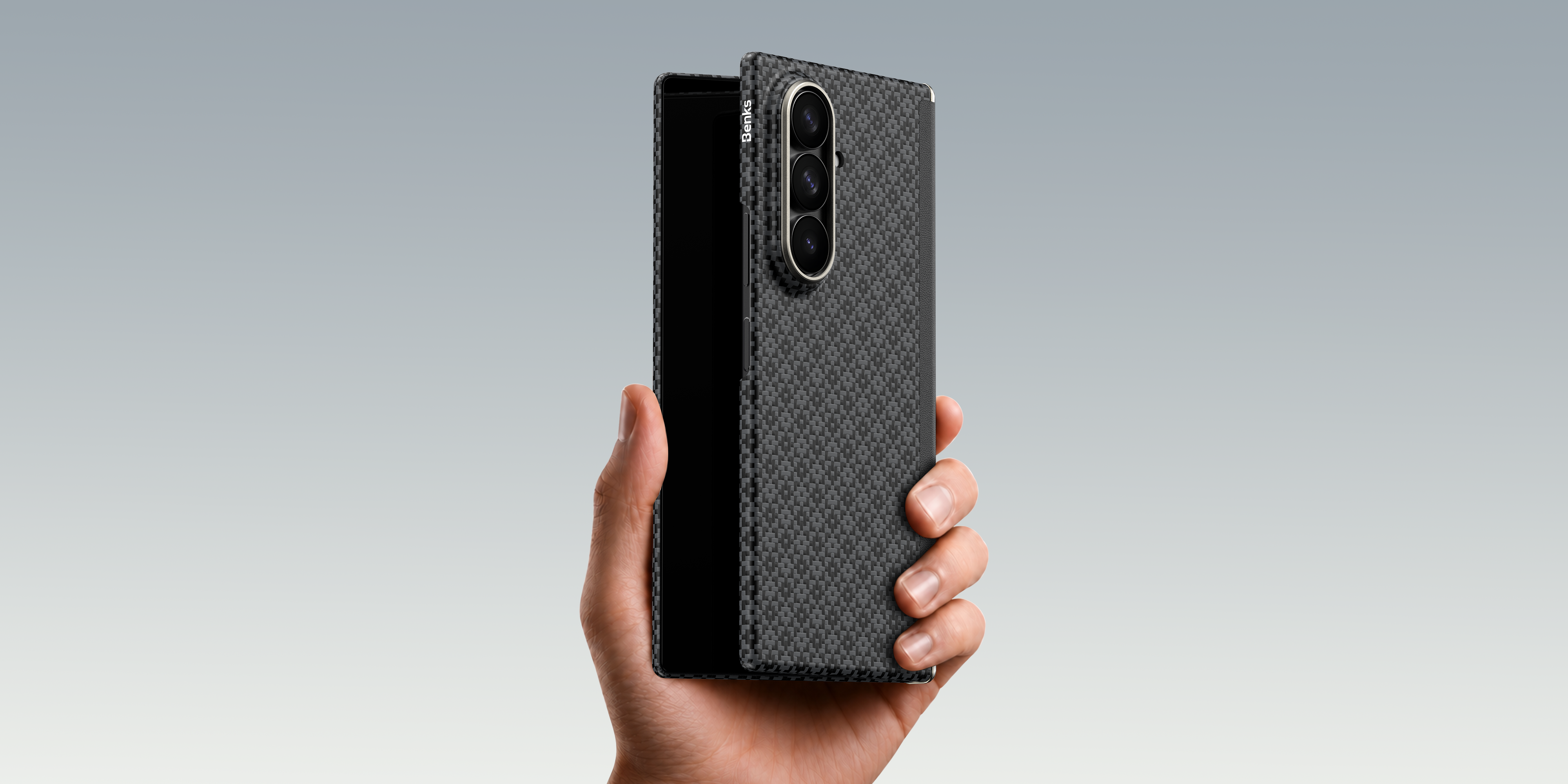
For phone cases, the consistency difference matters most in thin-profile applications. A 0.6mm aramid fiber case requires fiber that behaves predictably at very low cross-section thicknesses — inconsistent fiber quality creates weak points that reduce impact resistance. This is why the thinnest aramid fiber cases on the market — like the Benks ArmorAir at 0.6mm — use DuPont™ Kevlar® rather than generic aramid: the consistent fiber properties make the thin profile structurally reliable.

Not All Aramid Fiber Cases Are Kevlar
The global aramid fiber market includes multiple producers beyond DuPont. Teijin (Japan) produces Twaron®, another authorized para-aramid fiber. Kolon Industries (South Korea) produces Heracron®. Yantai Tayho Advanced Materials (China) produces Taparan®. These are all legitimate para-aramid fibers with comparable chemical structures to Kevlar®, though they are separate brand identities with their own production processes.
Beyond these named brands, there are many producers of generic, unbranded aramid fiber — particularly in Asia. These fibers may meet the technical definition of para-aramid and may perform adequately in thick-profile cases where manufacturing tolerances are less demanding. In thin-profile premium cases, the material quality variance of unbranded aramid fiber introduces risk.
A case described as "aramid fiber" without further specification could contain DuPont™ Kevlar®, Teijin Twaron®, or unbranded generic para-aramid. The description alone does not indicate which. A case that specifically states "DuPont™ Kevlar®" and includes DuPont's authorization mark has a verifiable material claim.
How to Identify a Genuine Kevlar Case
Genuine DuPont™ Kevlar® cases display specific marks that indicate DuPont authorization. Look for:
- "DuPont™ Kevlar®" — both brand names must appear together, with trademark symbols
- DuPont authorization statement — something like "Made with DuPont™ Kevlar® fiber" in product materials
- The DuPont oval logo or K-logo — used on authorized products
A case described only as "Kevlar" without the DuPont™ trademark designation is either using the term generically (which is a trademark violation) or the claim is unverified. A case described as "aramid fiber" or "Kevlar-like material" is explicitly not claiming DuPont authorization.
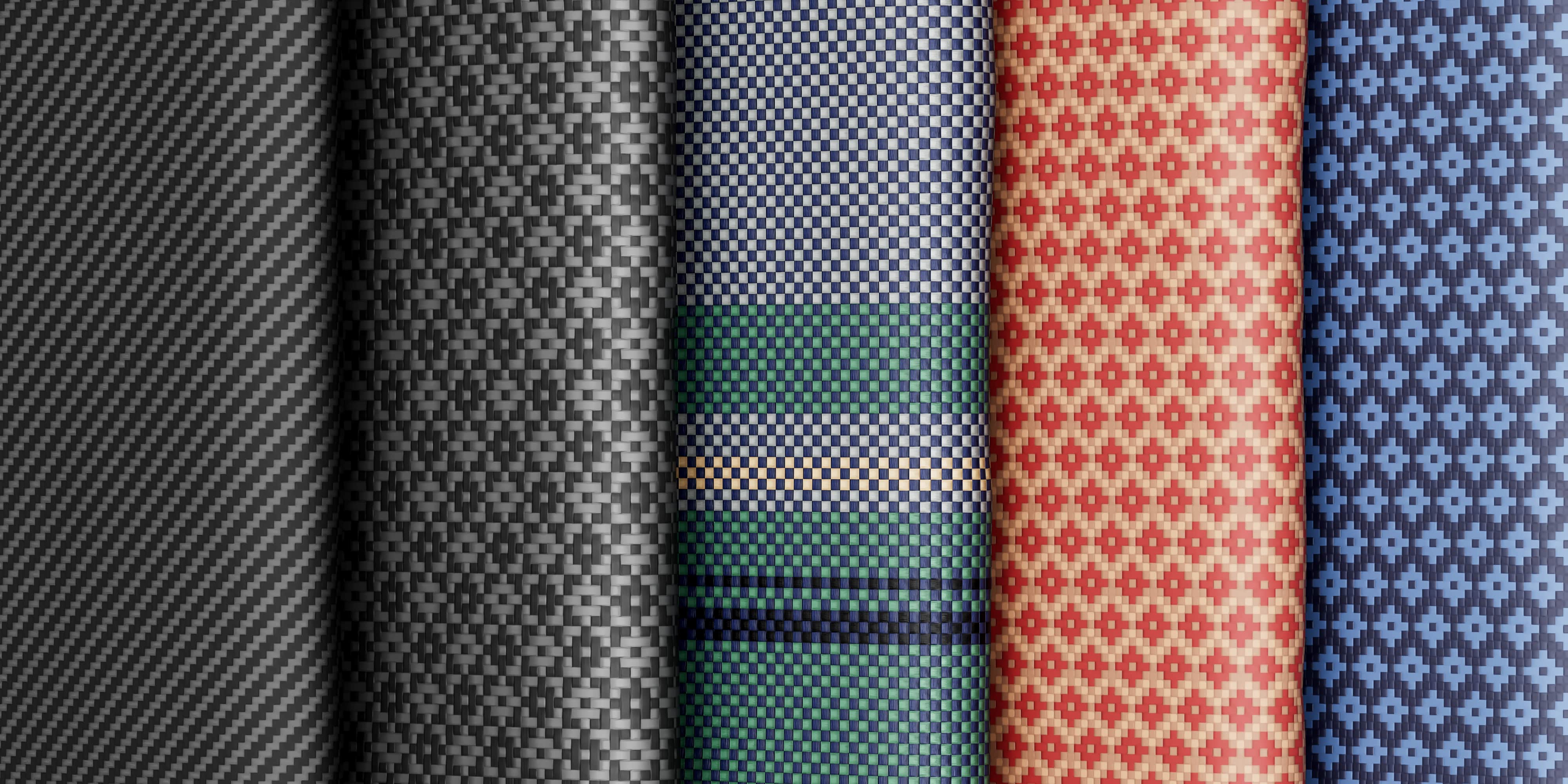
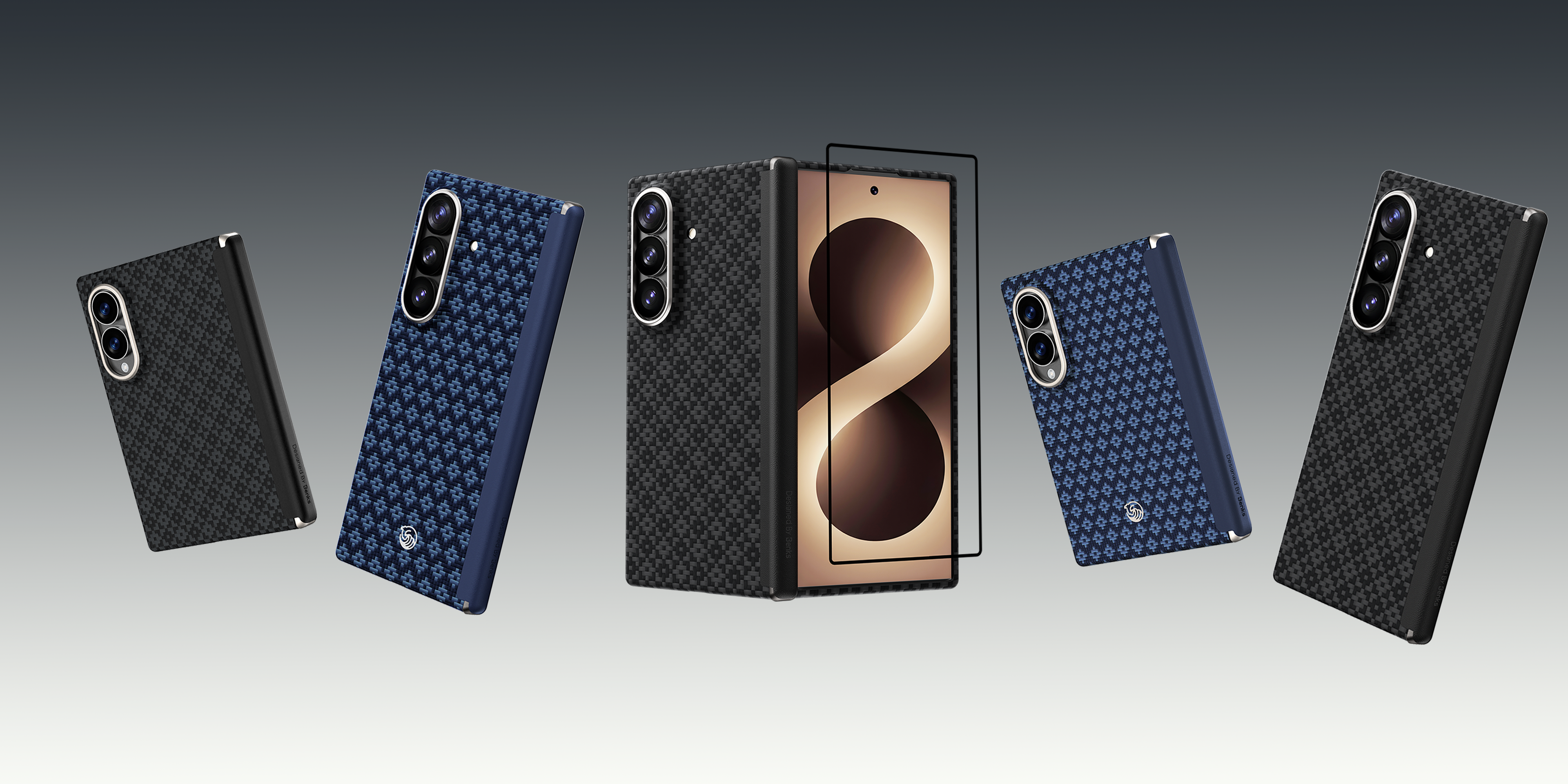
The denier count is another quality indicator. DuPont™ Kevlar® 600D uses approximately 1,500 warp strands per weft pass — a finer, denser weave than the more common 1500D specification (approximately 650 warp strands per weft pass). A case that specifies 600D Kevlar and provides the DuPont authorization is making a specific, verifiable claim about both fiber quality and manufacturing density. The Benks ArmorAir and ArmorPro cases carry the DuPont™ Kevlar® 600D designation — the brand is authorized by DuPont and uses their fiber specifically.
Does the Kevlar Brand Name Matter for Phone Cases?
For everyday use in mid-profile cases (1mm and above), the practical difference between DuPont™ Kevlar® and high-quality generic aramid fiber is small. The material properties are similar enough that most users would not perceive a difference in drop protection or feel.
For thin-profile cases — particularly those at or below 0.8mm — material consistency becomes more important. A case designed to be 0.6mm with adequate structural integrity has less room for fiber quality variation than a 1.5mm case. At these thicknesses, the manufacturing process requires fiber that behaves predictably, and DuPont's quality controls provide a higher level of consistency than generic alternatives.
The brand also functions as a verifiable claim. "Made with DuPont™ Kevlar®" is a statement that can be verified through DuPont's authorized manufacturer list. "Made with aramid fiber" is a statement that describes a material category but says nothing about the specific producer, grade, or quality. For buyers who want to know exactly what is in their case, the DuPont authorization provides that traceability.
Other Aramid Fiber Brand Names
| Brand name | Producer | Country | Type |
|---|---|---|---|
| Kevlar® | DuPont™ | USA | Para-aramid |
| Twaron® | Teijin | Japan / Netherlands | Para-aramid |
| Heracron® | Kolon Industries | South Korea | Para-aramid |
| Taparan® | Yantai Tayho | China | Para-aramid |
| Nomex® | DuPont™ | USA | Meta-aramid (heat resistance, not strength) |
| Conex® | Teijin | Japan | Meta-aramid |
For phone cases, the relevant options are para-aramid fibers (Kevlar®, Twaron®, Heracron®, Taparan®). Meta-aramid fibers (Nomex®, Conex®) are used for heat resistance, not structural strength, and do not appear in consumer phone cases.
For a full comparison of case materials — including how aramid fiber compares to TPU, carbon fiber, and clear polycarbonate — see the complete phone case materials guide. For the specific differences between aramid fiber and carbon fiber in terms of signal, protection, and longevity, see aramid fiber vs carbon fiber phone case comparison.
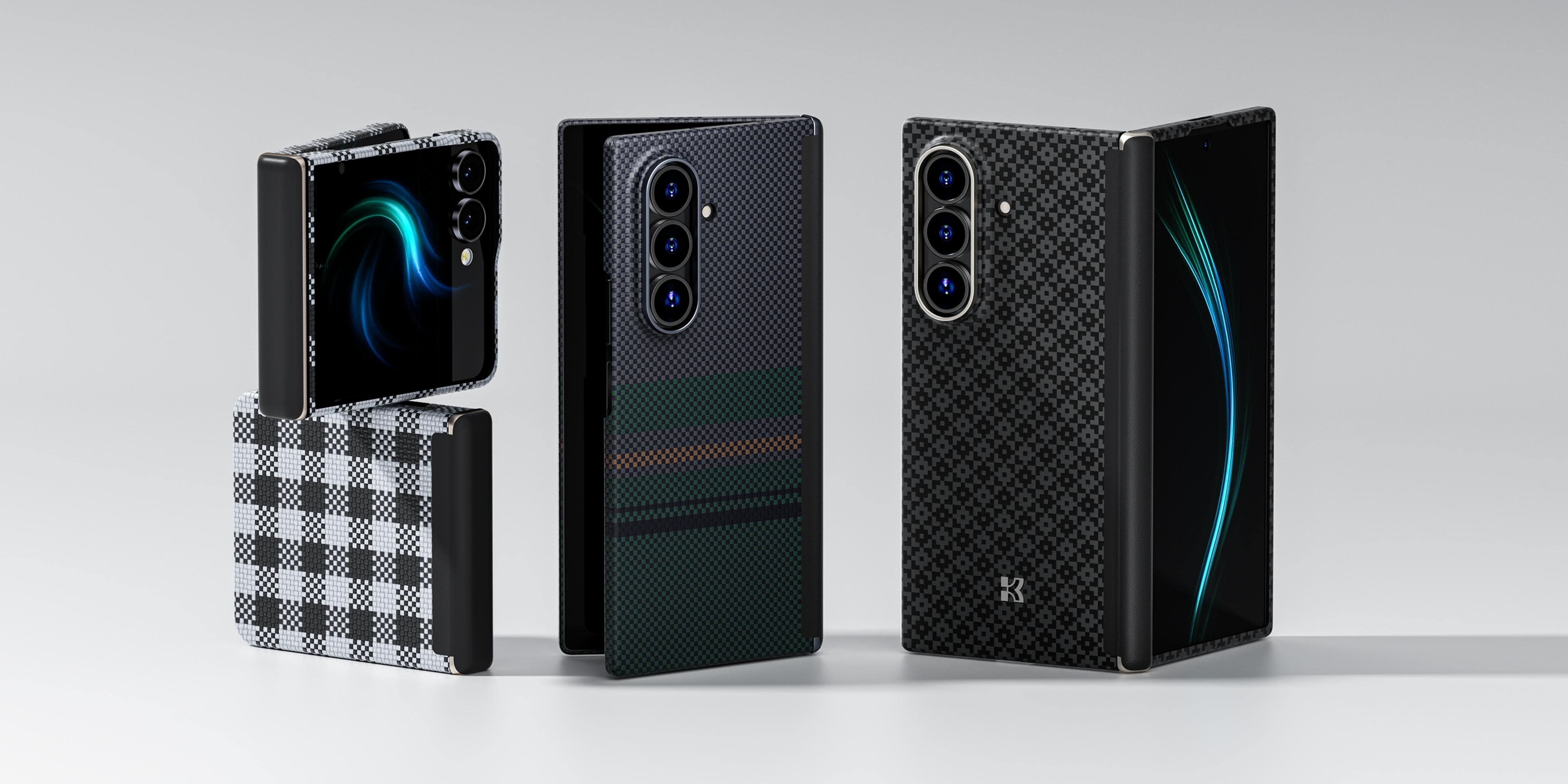
Benks is authorized by DuPont™ to use Kevlar® fiber in consumer electronics. The ArmorAir and ArmorPro cases use 600D DuPont™ Kevlar® — a higher-density weave requiring approximately 1,500 warp strands per weft pass. Benks holds iF Design Award and Red Dot Award recognition and has served over 100 million users worldwide.
Explore More Real Kevlar Case:iPhone 17 Pro Max
FAQ
Is aramid fiber the same as Kevlar?
No. Aramid fiber is the broad material category — a class of synthetic para-aramid polymer. Kevlar® is DuPont™'s specific trademarked brand name for their para-aramid fiber. All Kevlar is aramid fiber, but not all aramid fiber is Kevlar. Only manufacturers authorized by DuPont can legally use the Kevlar® brand name.
Is Kevlar better than generic aramid fiber?
For most case thicknesses, the performance difference is small. For thin-profile cases (0.6–0.8mm), DuPont™ Kevlar®'s manufacturing consistency produces more reliable structural integrity at low cross-section thicknesses than unbranded generic aramid. The DuPont authorization also provides a verifiable material claim, which generic "aramid fiber" descriptions do not.
How do I know if a phone case actually uses Kevlar?
Genuine DuPont™ Kevlar® cases display "DuPont™ Kevlar®" with both trademark symbols, often alongside a DuPont authorization statement. A case described only as "Kevlar" without the DuPont trademark designation is either using the term informally or the claim is unverified. Cases described as "aramid fiber" or "Kevlar-like" are explicitly not claiming DuPont authorization.
What is 600D Kevlar in a phone case?
600D refers to the denier count — a measure of yarn thickness. A 600D weave uses approximately 1,500 warp strands per weft pass, producing a finer and denser fabric than the more common 1500D specification (approximately 650 strands per weft pass). The finer 600D weave is harder to produce but achieves greater structural rigidity at thinner cross-sections. Benks ArmorAir uses 600D DuPont™ Kevlar® to achieve its 0.6mm profile.
Is Kevlar non-conductive?
Yes. Aramid fiber, including Kevlar®, is non-conductive. This means Kevlar phone cases produce zero electromagnetic interference with Wi-Fi, 5G, GPS, NFC, or MagSafe. This is a fundamental property of the para-aramid polymer structure — the material contains no free electrons and does not absorb or reflect radio frequencies.
Are Kevlar phone cases bulletproof?
No. Bulletproof vests use multiple thick layers of woven Kevlar designed to stop projectile penetration. Phone cases use a single thin panel for scratch resistance, impact distribution, and structural rigidity. The material is the same, but the construction and thickness are completely different. A phone case made from Kevlar is not bulletproof, but it does provide better drop protection than TPU cases of equivalent thickness due to Kevlar's higher strength-to-weight ratio.



Leave a comment
This site is protected by hCaptcha and the hCaptcha Privacy Policy and Terms of Service apply.