
Galaxy Z Fold 8 Ultra at 4.1mm: Why Samsung Had No Choice But to Go This Thin
There's a number buried in the Galaxy Z Fold 8 Ultra's spec sheet that deserves more attention than it's getting.
4.1mm unfolded.
The iPhone 17 Pro Max is 8.3mm thick. The Galaxy S26 Ultra is 8.2mm. The iPad mini is 6.1mm.
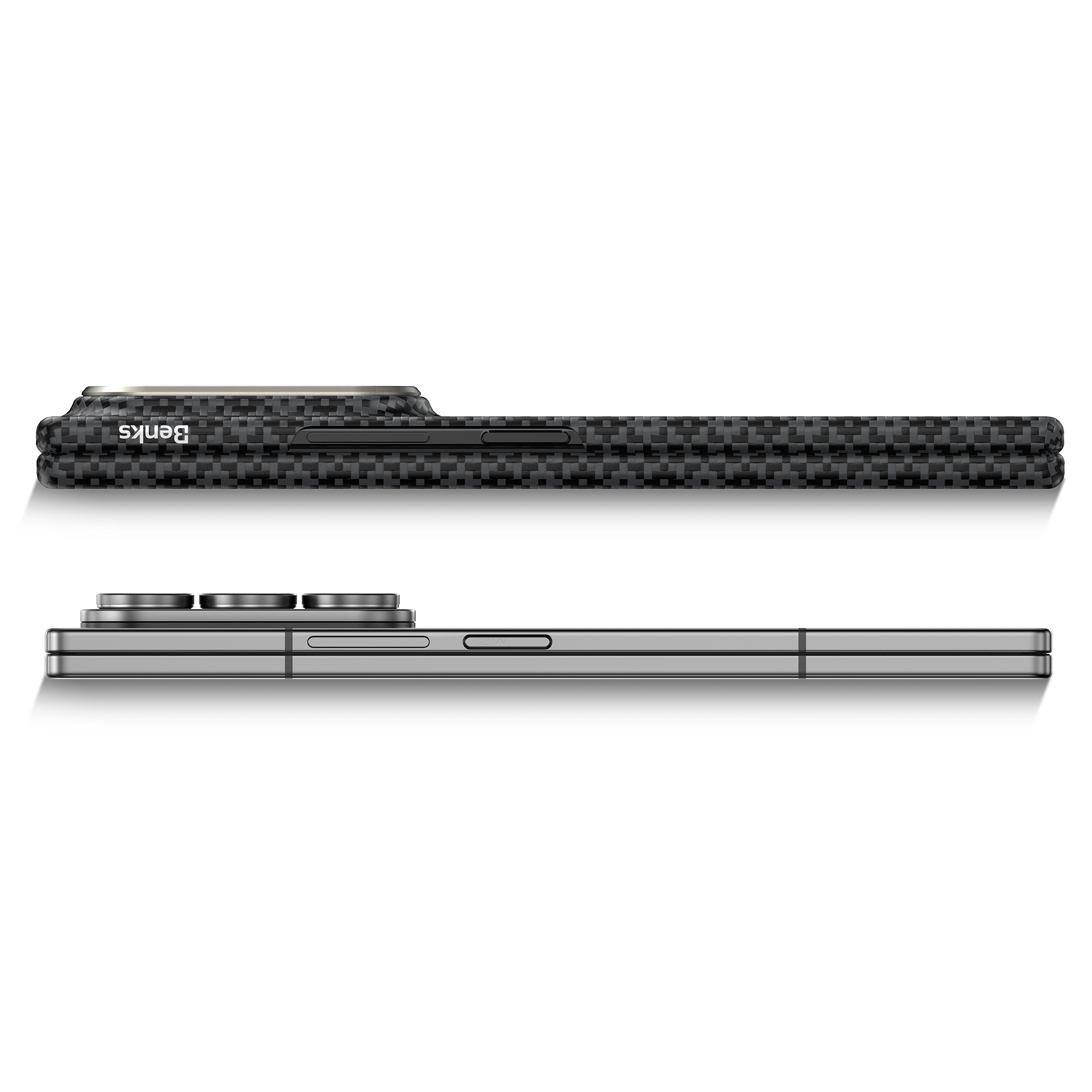
The Galaxy Z Fold 8 Ultra — a phone that contains a folding 8-inch display, a triple-camera system with a periscope module, and a 5,000mAh battery — is 4.1mm when open. Less than half the thickness of a conventional flagship. Thinner than almost anything Samsung has ever shipped.
That number is remarkable. It's also, as PhoneArena put it in their pre-launch analysis, something Samsung "had no choice" but to achieve.
Here's why.

The Race Samsung Found Itself In
For most of the Galaxy Fold's history, thickness was the category's biggest liability.
The original Galaxy Fold in 2019 was 17.1mm folded. The Z Fold 2: 16.8mm. The progression was slow — by the Fold 6, the device was still 12.1mm, noticeably thicker than any flat phone. The joke in foldable communities was that the Fold was the phone you couldn't put in your pocket without people noticing.
Then two things happened simultaneously.
Chinese manufacturers — Honor, Huawei, Oppo — started shipping foldables that matched or beat conventional smartphone thickness. The Honor Magic V6 launched at 4.1mm unfolded. The Huawei Mate X7 at 4.5mm. These weren't minor improvements. They changed what buyers expected foldables to feel like.
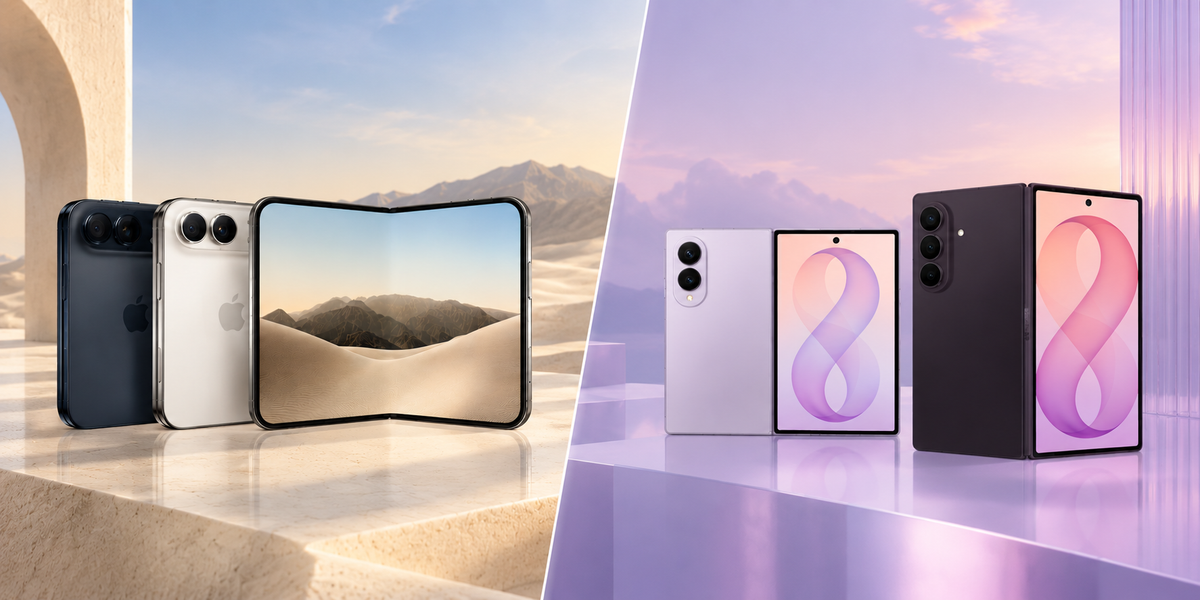
At the same time, Apple announced a foldable iPhone for September 2026 — expected at approximately 4.5–5.2mm unfolded, depending on the leak. Apple entering the foldable market with near-conventional thickness would have made any Samsung device that felt bulky by comparison look like it was standing still.
Samsung's response is the Galaxy Z Fold 8 Ultra.
How 4.1mm Is Actually Possible
Getting a folding phone to 4.1mm unfolded while adding a larger battery, better cameras, and a new display stack requires solving several engineering problems simultaneously. Three of them are worth understanding.
Silicon-Carbon Batteries
The most important enabler is one that doesn't appear in most hands-on reviews: the battery chemistry.
Both Fold 8 models use Silicon-Carbon (Si-C) anode batteries — Samsung's first deployment of this technology in a Galaxy device. Silicon-Carbon anodes store more energy per unit of volume than conventional graphite anodes. The practical result: a 5,000mAh battery in the Fold 8 Ultra occupies roughly the same physical space as the Fold 7's 4,400mAh battery.
Samsung achieved a 14% battery capacity increase without increasing the battery's footprint. That reclaimed space went directly into reducing the device's overall thickness.
Si-C batteries also support faster charge rates, which is partly why the Fold 8 Ultra can charge at 45W where the Fold 7 was limited to 25W.
Flex Titanium Display Stack
The Flex Titanium display technology — which replaces polymer support films beneath the OLED with titanium-alloy components — also contributes to the thinness story.
The titanium-alloy film is described as 20 times stiffer than the polymer it replaces, at a significantly thinner cross-section. A stiffer, thinner support layer means the total display stack is thinner. The display module is one of the largest contributors to a foldable phone's unfolded thickness, and a thinner display stack translates directly to a thinner device.
Dual-Rail Hinge
The Fold 8 Ultra's new dual-rail hinge distributes the mechanical load of folding across two parallel rail systems rather than one. The structural result: each individual rail can be made thinner while maintaining equivalent durability, because the load is shared.
The engineering elegance is that the dual-rail design simultaneously reduces thickness, improves the crease profile, and distributes mechanical stress more evenly across the fold — solving three problems with one architecture change.

4.1mm vs. the Competition
Samsung isn't alone at 4.1mm. That context matters.
| Device | Unfolded Thickness | Folded Thickness |
|---|---|---|
| Galaxy Z Fold 8 Ultra | 4.1mm | 8.9mm |
| Honor Magic V6 | 4.1mm | 9.2mm |
| Huawei Mate X7 | 4.5mm | 9.3mm |
| Galaxy Z Fold 8 (Wide) | 4.5mm | 9.7mm |
| Huawei Pura X Max | 5.2mm | 10.2mm |
| iPhone Ultra (rumored) | ~4.5–5.2mm | ~9–11mm |
| Galaxy Z Fold 7 | 4.2mm | 8.2mm* |
*Fold 7's 4.2mm figure has appeared in some sources; Samsung's official spec was 5.1mm unfolded — the discrepancy reflects measurement methodology differences.
The Honor Magic V6 matches the Fold 8 Ultra at 4.1mm. But as PhoneArena noted, Honor's device reaches that figure without the camera system, battery size, and display resolution that the Fold 8 Ultra carries. Achieving 4.1mm while fitting a 200MP main sensor, periscope telephoto, 5,000mAh Si-C battery, and Flex Titanium display is a meaningfully harder engineering problem than achieving it with fewer constraints.
Does 4.1mm Actually Matter in Daily Use?
This is the honest question.
SamMobile put it plainly: "While that may not sound like a significant improvement on paper, it should still make a noticeable difference in everyday use."
That's measured language for a measured improvement. 4.1mm vs 4.2mm (if the Fold 7's measured thickness is compared) is not a dramatic daily difference. 4.1mm vs the Fold 6's 6.1mm unfolded is.
What 4.1mm actually changes:
Pocket presence. A folded thickness of 8.9mm means the Fold 8 Ultra in a trouser pocket is comparable to carrying two conventional smartphones stacked — still noticeable, but no longer the obvious brick that early Folds were.
One-hand grip. At 4.1mm unfolded, the device is thin enough that the edges don't dig into the palm during extended one-handed use. This is a real ergonomic improvement for reading, scrolling, and video consumption.
The perception of modernity. This sounds abstract, but it matters commercially. A phone that looks modern is one that doesn't make you feel like you're carrying last year's design. The visual impact of 4.1mm on a table, next to a conventional phone, communicates a level of engineering sophistication that spec sheets don't.
The Apple context. With the iPhone Fold expected in September at roughly 4.5–5.2mm unfolded, Samsung's 4.1mm is a pre-emptive competitive statement. If Apple's first foldable is meaningfully thicker than the Fold 8 Ultra when they're placed side by side, that difference will register — especially for buyers making an $1,800+ commitment.
The Trade-Off Samsung Made
Nothing in engineering is free. 4.1mm at this level of capability came with at least one observable trade-off.
The camera bump on the Fold 8 Ultra protrudes more than on a phone with a thicker body. A 4.1mm baseline with a 200MP main sensor and periscope telephoto means the camera housing sits noticeably above the back panel. This affects how the phone rests on flat surfaces and, more importantly, how exposed the lenses are in daily carry.
This is precisely why lens protection is more important on a thin foldable than on a conventional phone. The thinner the body, the more the camera bump protrudes relative to the overall profile. The lenses sit higher above the surface they're protecting — making first contact more likely in pocket carry and face-down placement.

💡 Galaxy Z Fold 8 screen protector and lens protection guide
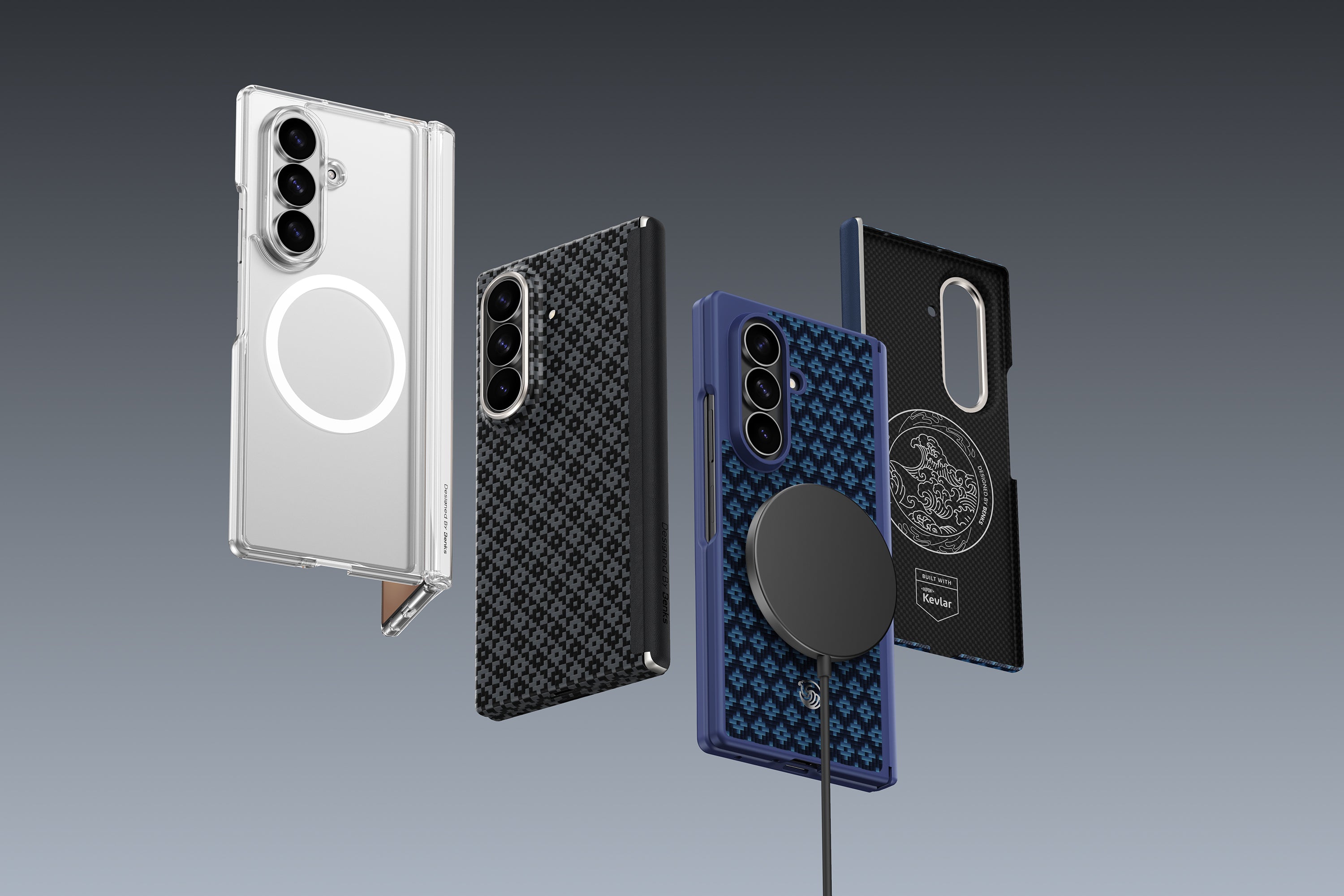
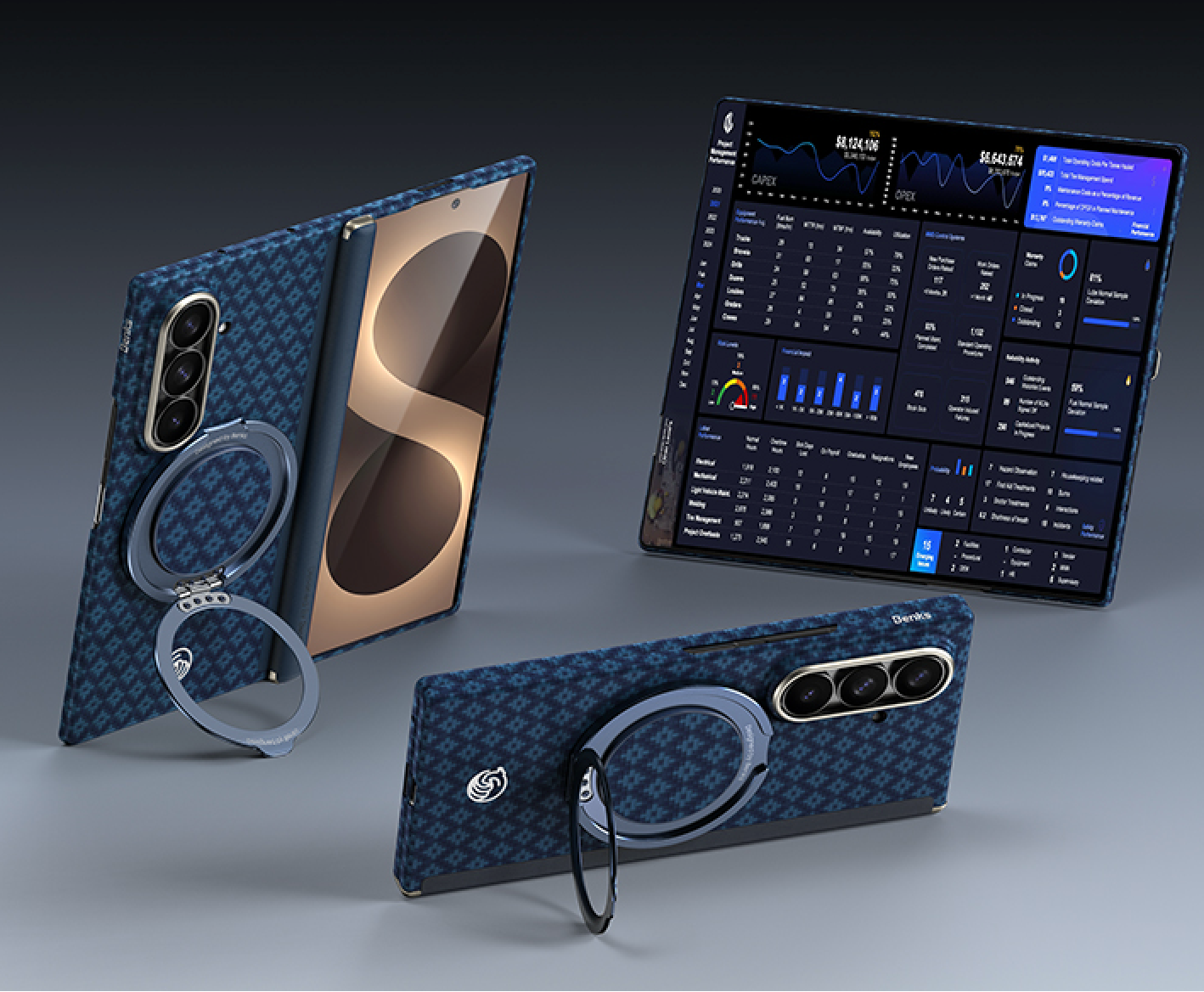
Cases for a 4.1mm device also require more precise engineering than cases for thicker devices. The hinge clearance tolerances are tighter. A case that fits the Fold 7's geometry won't account for the Ultra's thinner spine. Purpose-built case design — with hinge cutouts calibrated to the dual-rail mechanism's specific geometry — matters more at 4.1mm than it did at any previous Fold thickness.
💡 Your Fold 7 cases won't fit the Fold 8 Ultra — here's what will
<!-- IMAGE 4: [BENKS PRODUCT IMAGE — Benks case on Galaxy Z Fold 8 Ultra showing slim profile and precise hinge fit. Alt: "Benks Galaxy Z Fold 8 Ultra case showing slim profile protection calibrated for 4.1mm body"] -->
🔗 Benks Galaxy Z Fold 8 Ultra cases — precision-fit for the 4.1mm profile

What 4.1mm Signals About Where Foldables Are Going
The Fold 8 Ultra's thickness isn't just a product achievement. It's a category statement.
For seven years, foldable phones asked buyers to accept thickness as the price of a large inner display. The Galaxy Fold was 17.1mm folded. Today's Fold 8 Ultra is 8.9mm folded and 4.1mm open. That progression, compressed into seven generations, is the engineering story of the foldable category in miniature.
The next threshold is folded thickness. 8.9mm is still noticeably thicker than a conventional smartphone. Getting that number closer to 7–8mm — while maintaining the camera system and battery size — is the obvious next engineering target. Si-C battery technology, if it continues improving, provides the energy density headroom to do it.
Apple's September arrival changes the competitive pressure. If the iPhone Fold lands at 4.5mm unfolded, Samsung will be thinner. If it arrives at 4.5mm with comparable battery and camera specs, the engineering conversation becomes more interesting.
For now, 4.1mm is Samsung's answer to the question foldable critics have asked for seven years: can these things ever be thin enough to feel normal?
The answer, for the first time, might be yes.
FAQ
How thick is the Galaxy Z Fold 8 Ultra when unfolded? 4.1mm — making it the thinnest book-style foldable Samsung has ever made, and tied with the Honor Magic V6 for thinnest book-style foldable overall. When folded, the Fold 8 Ultra measures 8.9mm.
How did Samsung make the Fold 8 Ultra so thin? Three key technologies: Silicon-Carbon batteries, which store more energy per unit volume than conventional lithium-ion, freeing up internal space; Flex Titanium display stack, which is thinner and stiffer than the polymer layer it replaces; and a new dual-rail hinge that distributes mechanical load across two parallel rails, allowing each rail to be thinner while maintaining durability.
Is the Galaxy Z Fold 8 Ultra thinner than the iPhone 17 Pro Max? Yes, significantly. The iPhone 17 Pro Max is 8.3mm thick. The Fold 8 Ultra at 4.1mm unfolded is less than half that thickness. Folded, at 8.9mm, it's comparable to a conventional flagship in pocket feel.
Does the 4.1mm thickness affect how the case fits? Yes. The Fold 8 Ultra's thinner profile creates tighter hinge tolerances than any previous Fold. Cases designed for the Fold 7 or earlier will not fit correctly. Cases must be specifically engineered for the Fold 8 Ultra's dimensions, including hinge cutouts calibrated to the new dual-rail mechanism.
Does the thin body affect battery life? No — the Silicon-Carbon battery technology actually improves capacity despite the thinner body. The Fold 8 Ultra has a 5,000mAh battery, up from the Fold 7's 4,400mAh, achieved without increasing the battery's physical footprint.


Leave a comment
This site is protected by hCaptcha and the hCaptcha Privacy Policy and Terms of Service apply.