
Galaxy Z Fold 8 vs Fold 8 Ultra: The Ultimate Buyer's Guide for 2026
Samsung launched both devices at Galaxy Unpacked in London on July 22. Pre-orders are open. They go on sale August 7.
For the first time in Galaxy Fold history, there are two completely different book-style foldables on offer simultaneously. Not a standard model and a slightly better one. Two devices with different shapes, different priorities, and different ideal owners.
This guide covers everything you need to make the right call.

The One Thing You Need to Understand First
Every previous Galaxy Fold decision was simple: do I want this year's Fold or not?
This year, the decision is: which kind of Fold do I want?
The Galaxy Z Fold 8 is a new shape. Shorter. Wider. Lighter. Its inner display sits in landscape orientation when open — closer to a small tablet held horizontally than to the tall-and-narrow format the Fold series has used since 2019.
The Galaxy Z Fold 8 Ultra is the perfected version of the Fold you already know. Taller. Thinner than any previous Fold at 4.1mm unfolded. Better cameras. More suited to productivity.
If you've used a Fold before, the Ultra feels like home from the first second. The Fold 8 will take adjustment. Neither is objectively better — they're built for different people.
Full Specs Comparison
| Galaxy Z Fold 8 | Galaxy Z Fold 8 Ultra | |
|---|---|---|
| Price (256GB) | $1,899.99 | $2,099.99 |
| On sale | August 7, 2026 | August 7, 2026 |
| Inner display | 7.6" Dynamic AMOLED 2X, 120Hz | 8.0" Dynamic LTPO AMOLED 2X, 120Hz |
| Inner resolution | 2,448 × 1,848 | 2,504 × 2,256 (422 ppi) |
| Inner aspect ratio | 4:3 (landscape/wide) | ~1:1 (tall) |
| Cover display | 5.5" Dynamic AMOLED 2X | 6.5" Dynamic LTPO AMOLED 2X |
| Display tech | Flex Titanium | Flex Titanium |
| Chipset | Snapdragon 8 Elite Gen 5 | Snapdragon 8 Elite Gen 5 |
| RAM / Storage | 12GB / 256GB · 512GB · 1TB | 12GB–16GB / 256GB · 512GB · 1TB |
| Main camera | 50MP f/1.8 | 200MP f/1.7 |
| Ultrawide | 50MP f/1.9 | 50MP f/2.2 |
| Telephoto | ❌ None | ✅ 10MP 3x optical zoom |
| Front cameras | 10MP (cover + inner) | 10MP (cover + inner) |
| S Pen | ❌ | ❌ |
| Battery | 4,800mAh Silicon-Carbon | 5,000mAh Silicon-Carbon |
| Charging | 45W wired / 20W wireless | 45W wired / 20W wireless |
| Weight | 201g | 215g |
| Folded thickness | 9.7mm | 8.9mm |
| Unfolded thickness | 4.5mm | 4.1mm |
| IP rating | IP48 | IP48 |
| OS | Android 17 / One UI 9 | Android 17 / One UI 9 |
| Software updates | 7 years | 7 years |
| Colors | Graphite, Cream, Lavender, Pistachio* | Graphite, Cream, Violet Shadow, Green Shadow* |
*Online exclusive
Note: Neither model supports S Pen. Samsung removed stylus support starting with the Fold 7 and hasn't brought it back this generation.
Design & Form Factor
This is the most important section. Read it before anything else.
Galaxy Z Fold 8 — A New Shape for a New Kind of User

The Fold 8 measures 123.9 × 82.2mm when folded. Compare that to virtually every previous Fold — including the Ultra — which has been tall and narrow. The Fold 8 is shorter in height and wider across. Think of it as a phone that unfolds into a small landscape tablet rather than a tall portrait tablet.
The cover screen — 5.5 inches at 16:10 — is meaningfully more comfortable for one-handed use than any previous Fold's outer display. Typing, scrolling, quick tasks: all feel more natural. The cost is physical size — 82mm wide in a trouser pocket sits differently than 68mm wide, though the shorter height compensates somewhat.
At 201 grams, the Fold 8 is Samsung's lightest Galaxy Fold ever. GSMArena's hands-on confirmed it "feels genuinely light for a foldable" in person.
Tom's Guide put it well: "wide, weird, and I want it."
Galaxy Z Fold 8 Ultra — The Fold, Perfected

The Ultra is 158.4 × 72.8 × 8.9mm folded. At 4.1mm unfolded, it's the thinnest Galaxy Fold ever made. Samsung calls it "built for maximum productivity" — and that framing is accurate.
The 8-inch inner display at roughly 1:1 aspect ratio is purpose-built for side-by-side multitasking. Running two full-width apps simultaneously is a better experience on the taller Ultra display than on the Fold 8's wider but shorter canvas.
At 215g, the Ultra is 14 grams heavier than the Fold 8. In a day of use, that difference is noticeable but not uncomfortable. Trusted Reviews described the Ultra as having "the capacity to be the most competent Android foldable of 2026."
Display Quality
Both devices use Flex Titanium technology — Samsung's most significant display engineering change since Ultra Thin Glass was introduced. The result: fold crease visibility is dramatically reduced on both models compared to any previous Galaxy Fold. Reviewers with hands-on time consistently describe the crease as "nearly invisible in normal use."
The Ultra gets a meaningful resolution upgrade over the Fold 7: 2,504 × 2,256 pixels at 422 ppi, up from 368 ppi. GSMArena calls it "not a night-and-day difference in person" but a real improvement for text sharpness and detail.
The Fold 8's inner display at 2,448 × 1,848 is slightly lower resolution but sits at the same 120Hz refresh rate with the same AMOLED panel quality. Both displays hit 3,000 nits peak brightness with anti-reflective coating.
For media consumption: the Fold 8's 4:3 display is better for 4:3 content and fills more usable area for that format. For 16:9 video (most YouTube, most streaming), the letterbox bars are larger than on the Ultra.
For productivity and reading: the Ultra's taller display handles document viewing and split-screen workflows more naturally.
Camera System
This is where the $200 price gap gets justified — or doesn't, depending on your use case.

Galaxy Z Fold 8 Camera
- 50MP main (f/1.8) + 50MP ultrawide (f/1.9)
- No telephoto
- Solid everyday photography
- Cropping for zoom from 50MP is usable at moderate zoom levels
Galaxy Z Fold 8 Ultra Camera
- 200MP main (f/1.7, with 2x in-sensor zoom)
- 50MP ultrawide (f/2.2)
- 10MP telephoto (f/2.4, 3x optical zoom)
- 4K video on all cameras
The Ultra's 200MP sensor captures significantly more detail in bright conditions and gives you more flexibility in post-processing. The telephoto with 3x optical zoom is the practical differentiator for most buyers — it's the difference between a phone that can photograph a subject across a room clearly and one that crops and degrades.
Tom's Guide noted the Ultra includes "an upgraded ultrawide camera" that represents a real improvement over the Fold 7's ultrawide, while the main 200MP system continues to be among the best in any foldable.
The honest summary: for everyday social, travel, and casual photography, the Fold 8 is adequate. For anyone who regularly uses zoom or wants the best possible image quality, the Ultra justifies its $200 premium on cameras alone.
Battery & Charging
Both use Silicon-Carbon anode battery technology — Samsung's first adoption of Si-C cells, which offer higher energy density than conventional lithium-ion. The practical result is larger effective capacity in a similar physical volume.
- Fold 8: 4,800mAh / 45W wired / 20W wireless
- Fold 8 Ultra: 5,000mAh / 45W wired / 20W wireless
Samsung claims the batteries can handle 1,200 charging cycles — about three years of daily charging before meaningful capacity degradation. Both support reverse wireless charging at 4.5W.
The 200mAh difference between the two batteries is unlikely to produce a noticeable real-world gap. Actual battery life differences between the two models will come down to screen size and usage patterns — a point neither hands-on review has been able to fully evaluate in the two days since launch.
Performance & Software
Both run Snapdragon 8 Elite Gen 5 for Galaxy on Android 17 with One UI 9. Both receive seven years of major OS updates and security patches.
The Ultra gets 16GB RAM on the 1TB configuration; the Fold 8 maxes out at 12GB across all storage tiers. For most use cases, 12GB RAM on a modern Snapdragon chip is not a bottleneck. For power users who run demanding AI features and background apps simultaneously, the Ultra's 16GB option provides more headroom.
Both support Samsung DeX for desktop-mode use with an external display. Both include Galaxy AI features including Call Brief, My FanCam, and enhanced Now Nudge.
Who Should Buy Which
Buy the Galaxy Z Fold 8 ($1,899) if:
- You want a foldable that feels more like a conventional smartphone when folded — the wide 5.5-inch cover screen is the most phone-like outer display on any Galaxy Fold
- You primarily use the unfolded display for content consumption, reading, and browsing rather than structured productivity
- Optical zoom isn't part of your regular photography habits
- Weight and pocket profile matter — 201g and 9.7mm folded is the most pocketable Fold Samsung has made
- You're interested in a genuinely new form factor, and you're open to the adjustment period it requires
💡 Is the Galaxy Z Fold 8 good value at $1,899? Here's our breakdown
Buy the Galaxy Z Fold 8 Ultra ($2,099) if:
- You've owned a previous Fold and want the same fundamental experience, but better
- Camera versatility matters — the telephoto and 200MP main system represent a meaningful step up
- Heavy multitasking is core to your workflow — the taller inner display handles split-screen apps more naturally
- You want the thinnest version of the traditional Fold format (4.1mm unfolded)
- You're buying your first foldable and want the proven, mature format
Stay on your current device if:
Fold 7 owners: the chipset is the same, and the Fold 7 is only a year old. Neither the Fold 8 nor the Ultra represents a compelling upgrade unless the new form factor is specifically what you want.
Fold 6 owners: either model is a meaningful jump — Flex Titanium alone substantially improves the daily experience. If you want the wide format, get the Fold 8. If you want continuity with a better camera, get the Ultra.
What Both Devices Have in Common
A few things don't change regardless of which you choose.
Flex Titanium is on both. The near-creaseless inner display is the biggest quality-of-life improvement in the Fold series since UTG was introduced.
IP48 water resistance on both. Submersion protection at 1.5 metres for 30 minutes.
Silicon-Carbon batteries on both. Higher energy density, rated for 1,200 charge cycles.
Seven years of software support on both. Either device will receive major Android updates through 2033.
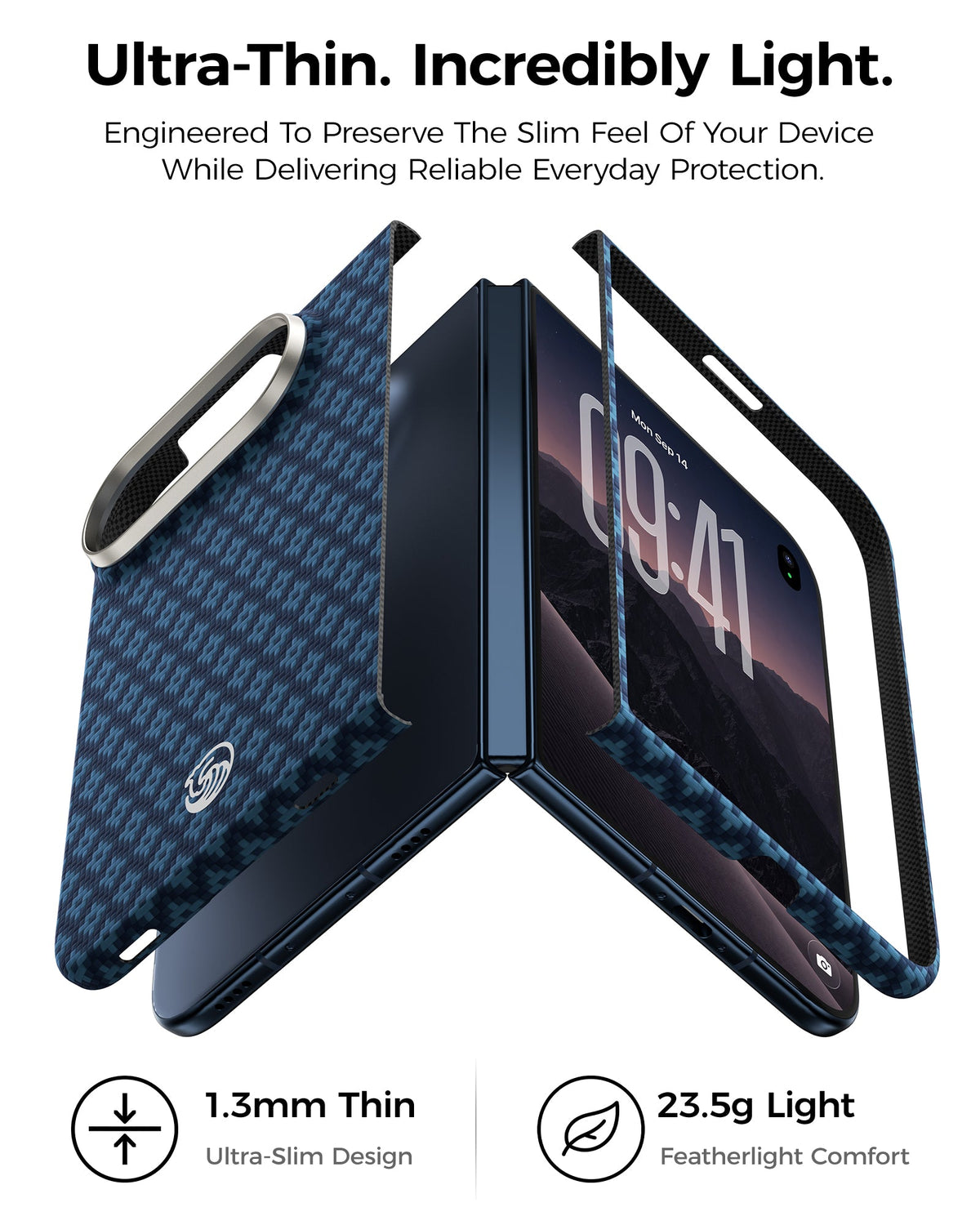
Protection requirements are the same on both. The inner Flex Titanium display — while more durable under folding stress — remains vulnerable to impact and drops. The hinge is the most expensive component to repair on any foldable ($350–500 out of warranty on previous generations). Both devices require cases designed specifically for their respective dimensions — nothing from the Fold 7 generation fits either new model.
💡 Your Fold 7 cases won't fit the Fold 8 or Ultra — here's what will

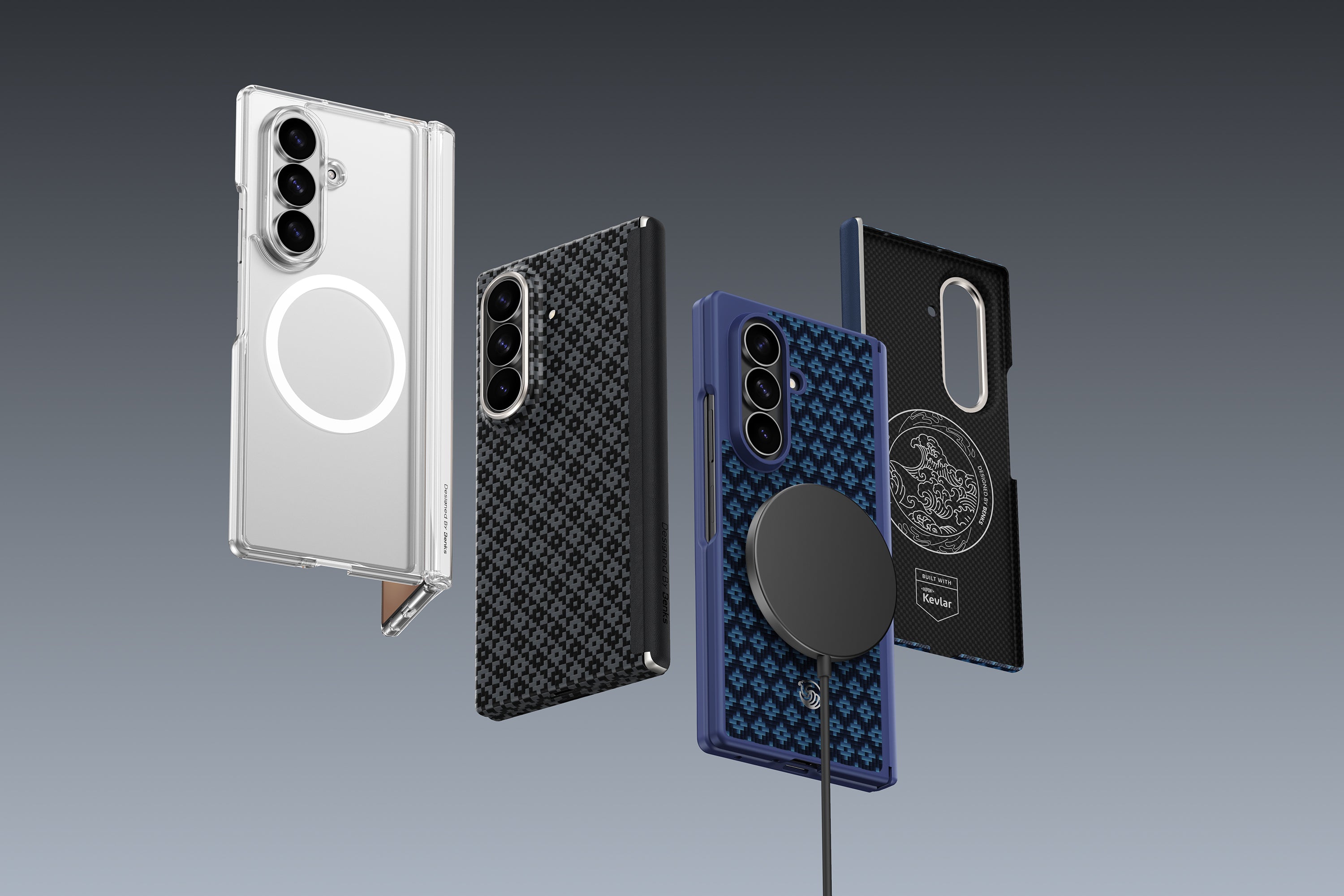
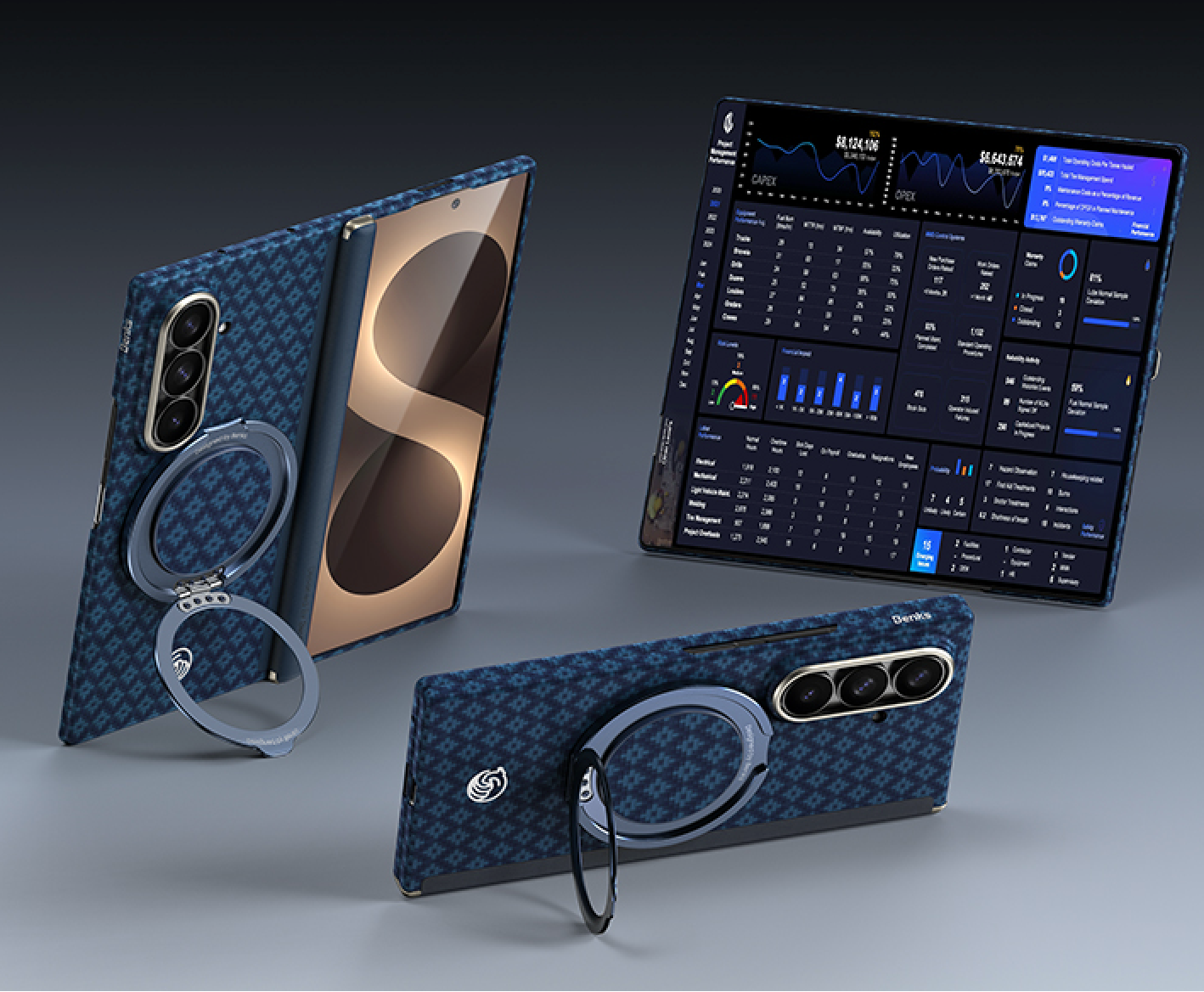
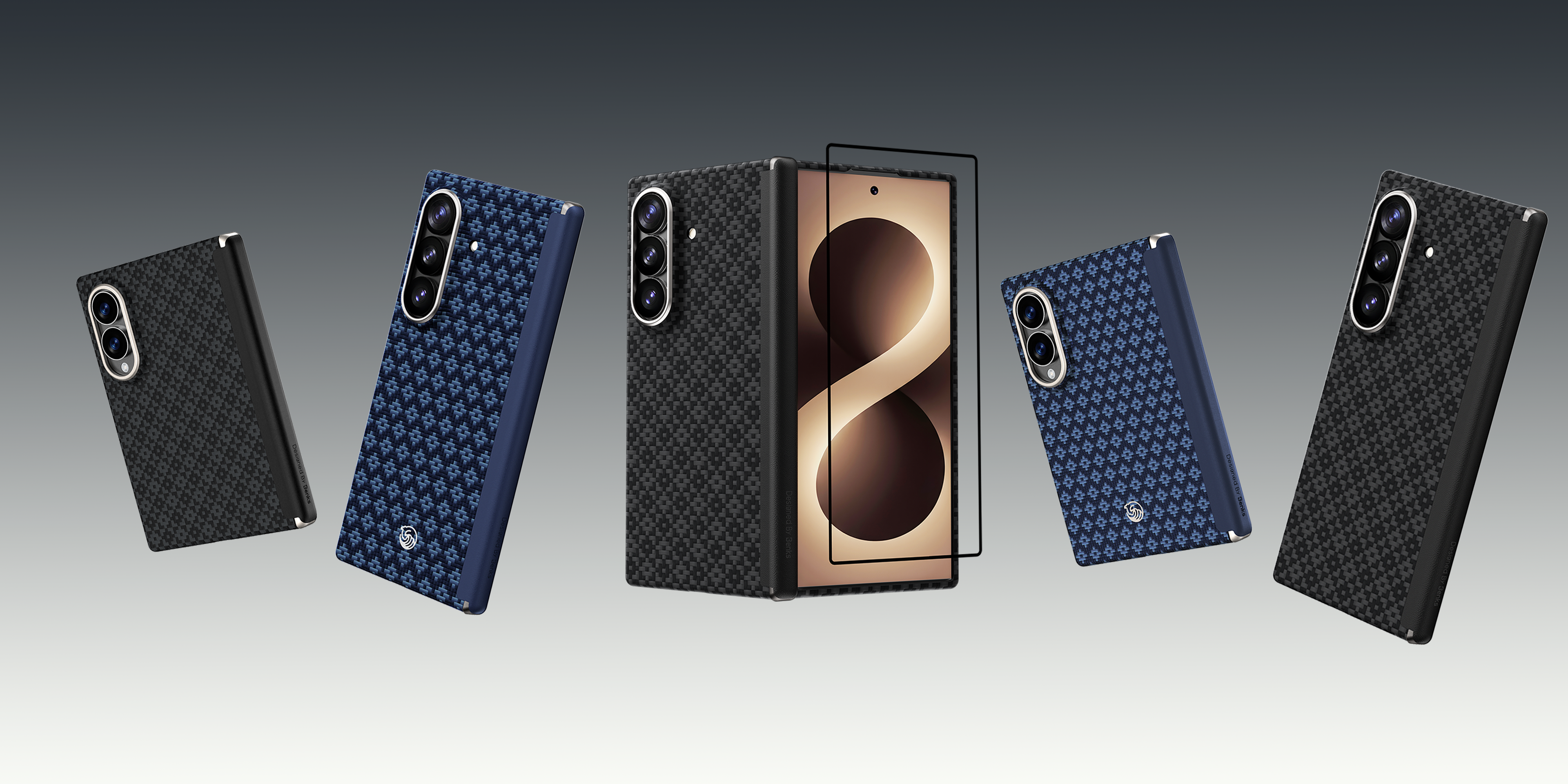
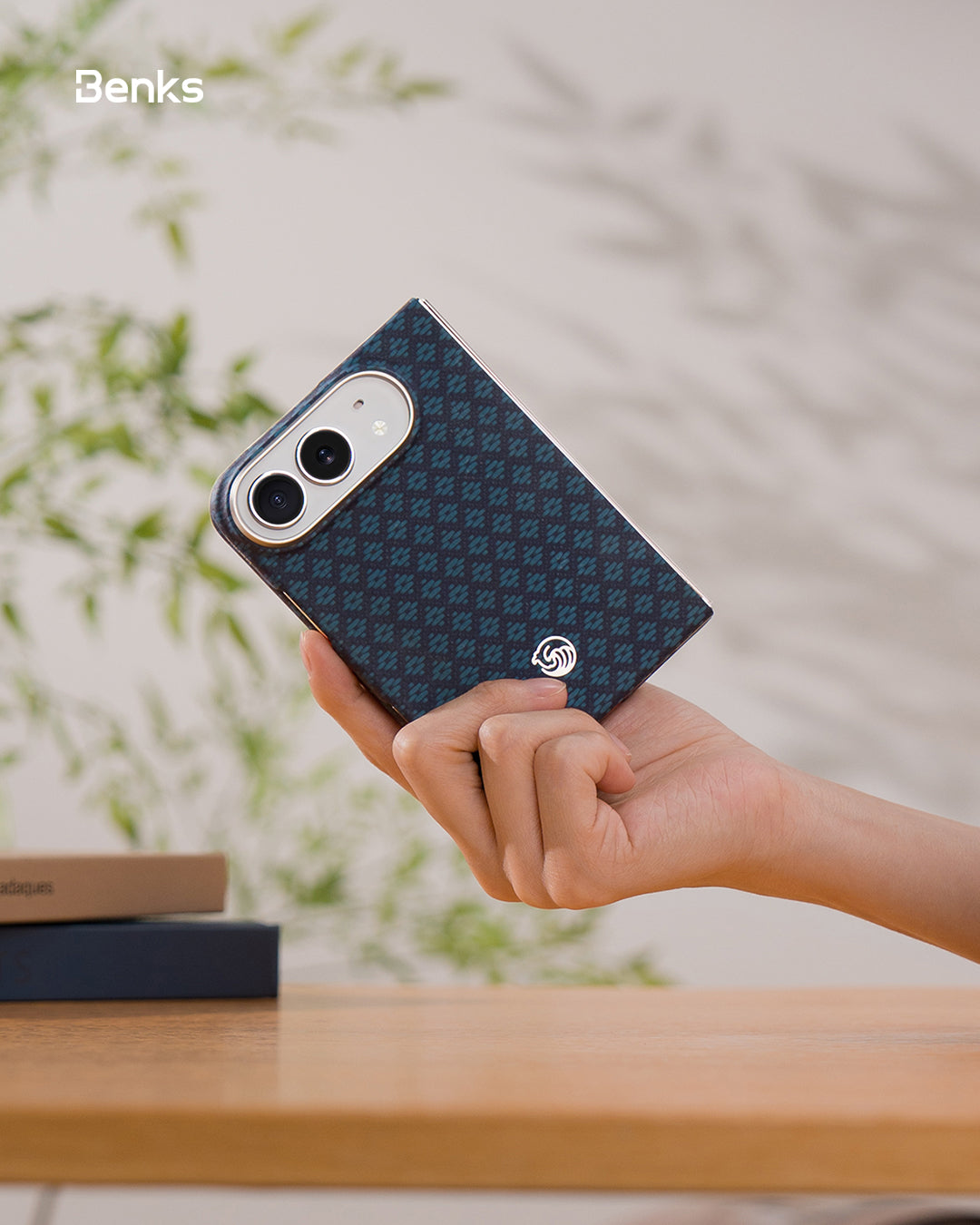
Benks Galaxy Z Fold 8 cases — built specifically for both the wide Fold 8 and the Fold 8 Ultra.
The Verdict
| Galaxy Z Fold 8 | Galaxy Z Fold 8 Ultra | |
|---|---|---|
| Best for | Content, casual use, pocketability | Productivity, photography, continuity |
| Camera | Good enough | Best in class for a foldable |
| Form factor | New, needs adjustment | Proven, immediately familiar |
| Weight | Lightest Fold ever (201g) | Heavier but still slim (215g) |
| Value | Strong — cheaper than Fold 7 at launch | Justified if you use the extras |
| First-time buyer | Try in person first | Safer bet without hands-on time |
Pre-orders are open now. General availability: August 7, 2026.
FAQ
What's the main difference between the Galaxy Z Fold 8 and Fold 8 Ultra? The shape. The Fold 8 is shorter and wider with a 4:3 landscape inner display — a new form factor for Samsung. The Ultra keeps the traditional tall format with an 8-inch inner display better suited to productivity. The Ultra also has a 200MP main camera and 3x optical zoom. Both use Flex Titanium for a near-creaseless display and the same Snapdragon 8 Elite Gen 5 chipset.
Is the Galaxy Z Fold 8 or Fold 8 Ultra better for watching videos? Depends on the content. The Fold 8's 4:3 display fills more screen area for 4:3 content. For 16:9 video (most YouTube and streaming), the Ultra's taller display produces smaller letterbox bars. Both have excellent AMOLED screens — the format difference matters more than the display quality difference.
Does either Galaxy Z Fold 8 model support S Pen? No. Samsung removed S Pen support from the Galaxy Z Fold series starting with the Fold 7 and hasn't restored it this generation. Tom's Guide confirmed Samsung is "exploring" its return for future models, but neither the Fold 8 nor the Fold 8 Ultra supports a stylus.
Is the Galaxy Z Fold 8 really cheaper than last year's Fold 7? Yes — approximately $100 cheaper at the base 256GB tier. The Fold 8 Ultra is about $100 more expensive than the Fold 7 was. Samsung introduced the Ultra tier to house the flagship-level specs at a premium price, while the standard Fold 8 is positioned as the more accessible entry point to the wide new form factor.
When do the Galaxy Z Fold 8 and Fold 8 Ultra go on sale? Pre-orders opened July 22. General availability starts August 7, 2026. Samsung is running trade-in promotions during the pre-order window.
Will Galaxy Z Fold 7 cases fit the Fold 8 or Ultra? No. Both new models have different dimensions, hinge geometry, and camera positions from the Fold 7. The Fold 8's wider body and the Ultra's thinner 4.1mm profile both require cases specifically designed for their respective dimensions.
Which is better for someone buying their first foldable? The Ultra is the safer first purchase if you can't try the Fold 8 in person. The Fold 8's new form factor is genuinely different and has divided reviewer opinion in the first 48 hours since launch. The Ultra delivers a proven, refined foldable experience that's immediately intuitive. If you can visit a store to try the Fold 8 before August 7, do that before deciding.
How does battery life compare between the two? Hands-on reviews haven't yet produced battery life data — both devices launched 24 hours ago. The Fold 8 has 4,800mAh and the Ultra has 5,000mAh, both with the same chipset. Real-world results will depend heavily on screen-on time and usage patterns. Full battery test data will appear in complete reviews over the next two to three weeks.


1 comment
The S Pen is the reason I have bought Samsung phones. I will not buy another without the S Pen. When they revive it, I will buy that phone.
Dennis Ebert
Leave a comment
This site is protected by hCaptcha and the hCaptcha Privacy Policy and Terms of Service apply.