
The Heaviest iPhone Pro Max Ever: What’s the Lightest Case Material for iPhone 18 Pro Max?
The iPhone 18 Pro Max is bigger on battery life, performance — and weight.
According to Apple’s official specifications, the iPhone 18 Pro Max weighs 249 grams (8.78 ounces). With a 6.9-inch display and a large Pro-class body, it’s a phone you are going to notice in your hand — especially once you add a case.

And that’s where choosing the right case becomes more important.
A protective case should make your iPhone safer. It shouldn’t make an already heavy phone feel like a brick.
So if you’re looking for an iPhone 18 Pro Max case, there’s another specification worth checking besides drop protection and MagSafe: How much weight does the case add?
Let’s compare common phone case materials — including silicone, TPU, polycarbonate and Kevlar® — and find out which materials make the most sense when your iPhone already weighs 249g.

The iPhone 18 Pro Max Weighs 249g
Apple lists the iPhone 18 Pro Max at 249g, compared with 211g for the smaller iPhone 18 Pro.
Its dimensions are equally substantial: 163.4mm tall, 78.0mm wide and 8.75mm deep, with a 6.9-inch OLED display.
Those numbers matter because a case doesn’t replace any of that weight. It gets added on top.
A 30g case turns a 249g phone into a 279g setup. Add 50g and you’re approaching 300g before attaching a MagSafe wallet, grip, power bank or other accessory.
For users who already find Pro Max phones heavy during one-handed use, photography, gaming or long scrolling sessions, those extra grams can make a real difference.
That’s why the iPhone 18 Pro Max changes the question from “How protective is this case?” to “How much protection can I get without making the phone unnecessarily heavier?”
iPhone 18 Pro Max — 249g / + 20g Case — 269g / + 30g Case — 279g / + 50g Case — 299g
Suggested ALT: iPhone 18 Pro Max weight with case comparison
Why Case Weight Matters More on a Pro Max
Twenty or thirty grams may not sound like much, but smartphone weight isn’t something you experience once. You experience it every time you pick up your phone.
Think about how often you hold your iPhone one-handed while commuting, take photos while traveling, watch videos in bed, scroll through social media or read for long periods.
The Pro Max’s large dimensions also create more leverage in your hand than a smaller phone. Add a thick case and you’re increasing both weight and width.
That can contribute to hand fatigue and make one-handed use less comfortable. This is why “thin and light” isn’t only an aesthetic preference for the iPhone 18 Pro Max. It’s an ergonomic one.
What Is the Lightest Material for an iPhone 18 Pro Max Case?
There isn’t one universally perfect phone case material. Different materials solve different problems.
Silicone focuses on softness and grip. TPU is valued for flexibility and impact absorption. Polycarbonate provides a rigid shell without excessive weight. Kevlar® and other aramid fibers stand out for a different reason: their strength-to-weight ratio.
For a 249g phone, that becomes especially interesting.
Silicone: Comfortable, but It Can Add Bulk
Silicone remains one of the most popular phone case materials. It’s soft, comfortable to hold and naturally grippy — useful qualities when you’re handling a large phone.
But silicone cases generally need a relatively substantial material layer to create structure and protection. That can make the phone feel thicker around the sides and noticeably softer in shape.
For some users, that’s exactly what they want. But if your main concern is keeping the iPhone 18 Pro Max as slim and light as possible, silicone isn’t necessarily the most efficient material.
Best for: Grip and soft-touch feel
Less ideal for: Minimum thickness and weight
TPU: Better Impact Absorption, More Material
Thermoplastic polyurethane, better known as TPU, is widely used in protective phone cases. Its biggest advantage is flexibility.
During an impact, TPU can deform slightly and absorb some of the force instead of transferring all of it directly to the phone. That’s why you’ll often see TPU around the corners and edges of protective cases.
But that protection usually requires more material. A full TPU case can create thicker sidewalls and a more substantial overall feel — something that becomes particularly noticeable on a 6.9-inch Pro Max.
TPU makes sense when drop protection is the priority. It can also work especially well as part of a hybrid case, where TPU protects the frame while a lighter rigid material covers the back.
Best for: Impact absorption and edge protection
Less ideal for: Ultra-thin construction

best lightweight phone case materials for iPhone 18 Pro Max
Polycarbonate: Lightweight and Rigid
Polycarbonate, or PC, is another common case material. It’s rigid, relatively lightweight and easy to shape, which makes it particularly popular for hard-shell and clear phone cases.
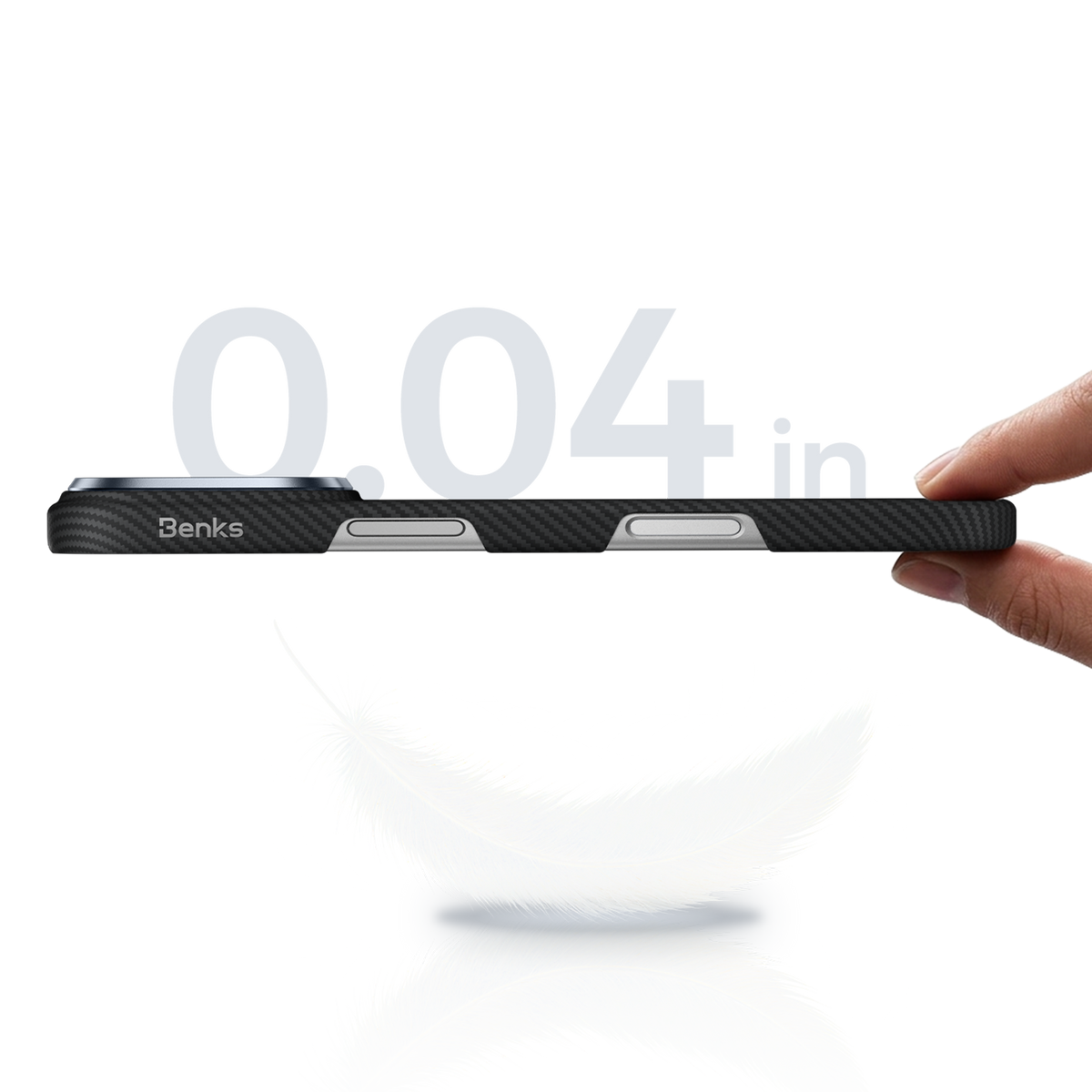
A thin polycarbonate shell can feel significantly lighter than a thick silicone or rugged TPU case. However, the word “polycarbonate” alone doesn’t guarantee that a case will be light.
Construction still matters. Reinforced corners, multiple layers and thick back panels can all increase weight.
So if you’re comparing PC cases, look at the complete design rather than the material label alone.
Best for: Lightweight rigid shells and clear cases
Less ideal for: Users who want a softer feel or flexible impact absorption
What About Carbon Fiber?
Carbon fiber seems like an obvious candidate for a lightweight phone case. It’s famous for its high strength-to-weight ratio and is widely associated with aerospace, motorsport and high-performance engineering.
But smartphones have a requirement that many other carbon-fiber products don’t: wireless connectivity.
Carbon fiber is electrically conductive. Depending on its construction and placement, that makes it less ideal around devices relying on multiple wireless systems.
Today’s iPhones need to work with 5G, Wi-Fi, Bluetooth, GPS, NFC, MagSafe and wireless charging.
This is one reason aramid fibers such as Kevlar® have become particularly interesting for thin phone cases. They can provide a lightweight woven structure without the same electrical conductivity as carbon fiber.
Why Kevlar® Makes Sense for a Heavy iPhone
Kevlar® is a para-aramid fiber developed by DuPont. For a phone case, its most useful characteristic isn’t simply strength. It’s the ability to provide strength without requiring a thick, heavy structure.
That changes how a case can be designed.
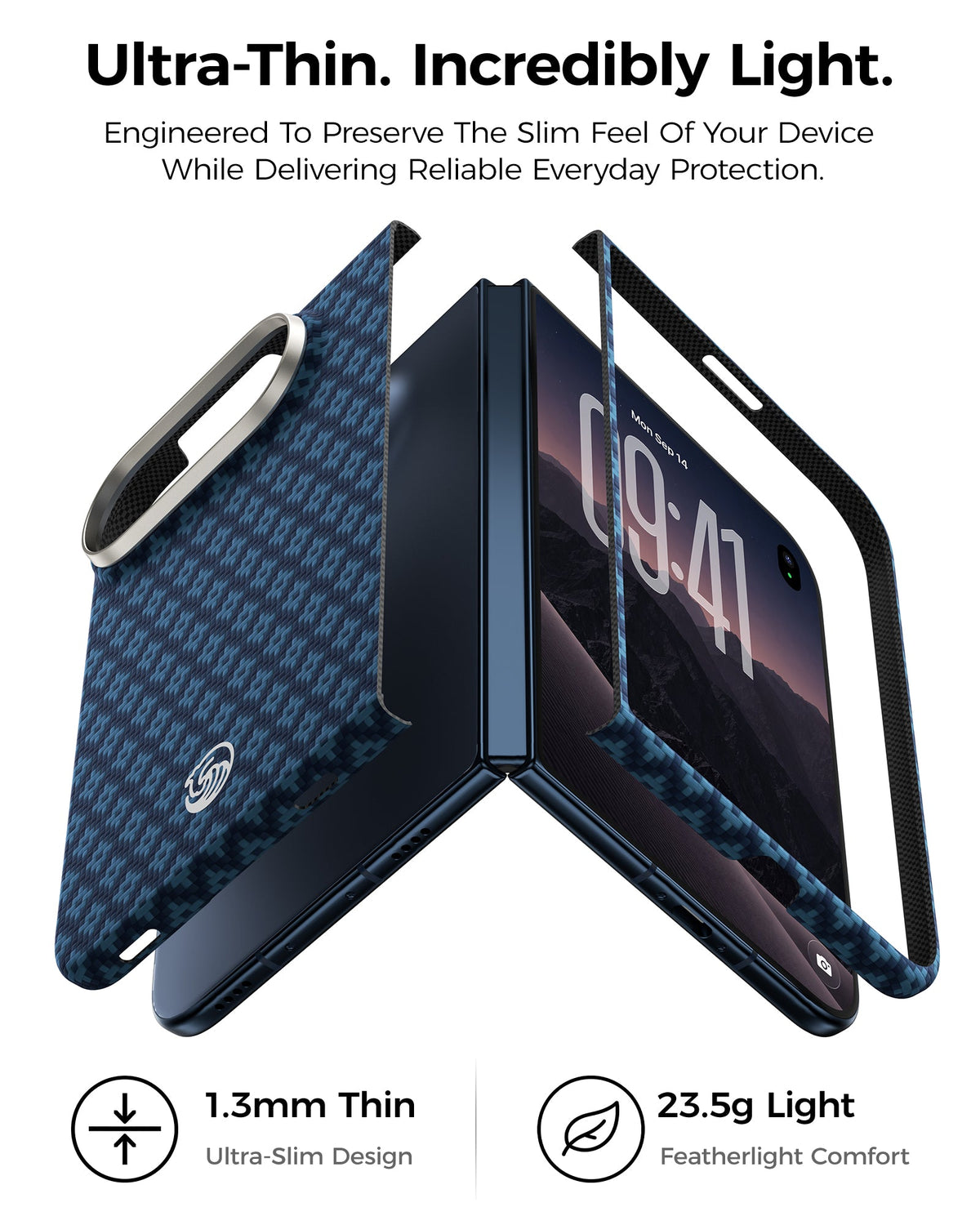
Traditional rugged cases often create protection by adding material: thicker corners, thicker backs and multiple protective layers. A woven aramid-fiber shell can instead create a thin, rigid structure while keeping weight low.
For an iPhone that already weighs 249g, that’s a meaningful advantage.
You don’t need your case to make the phone lighter — that’s impossible. You need it to avoid making a heavy phone unnecessarily heavier.

A Lightweight Case Can Keep the Pro Max Closer to Its Original Feel
This is where case construction becomes more important than simply choosing the thinnest piece of plastic available.
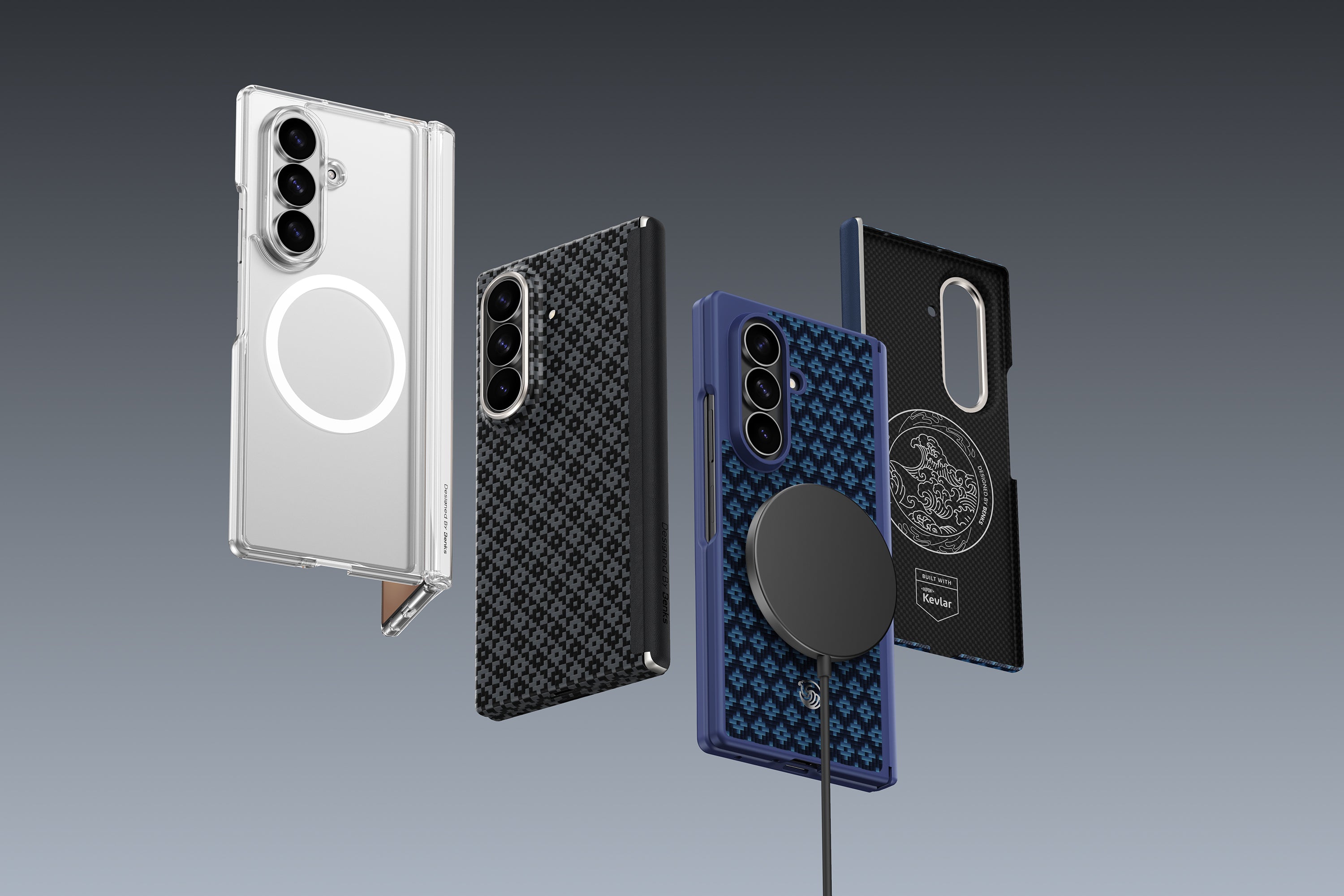
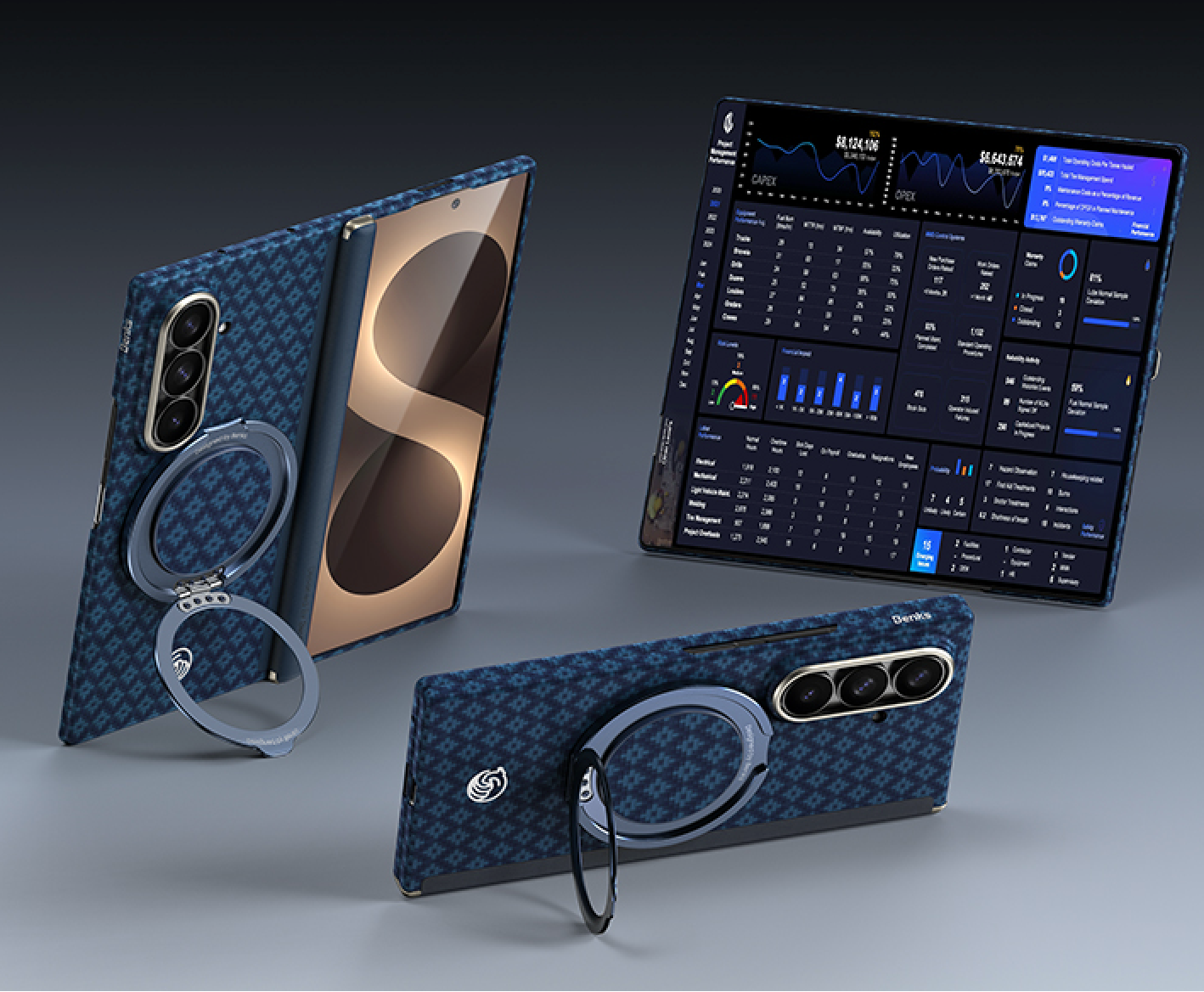
Benks’ current iPhone 18 Pro Max case collection includes both slim and protective Kevlar® designs.
If minimum added bulk is your priority, choose a slim construction. If you need stronger edge protection, accept a little more material where it actually serves a purpose.
For example, the Knight Air Case built with Kevlar® for iPhone 18 Pro Max uses a slim Kevlar® construction designed for users who want to preserve more of the phone’s original profile.
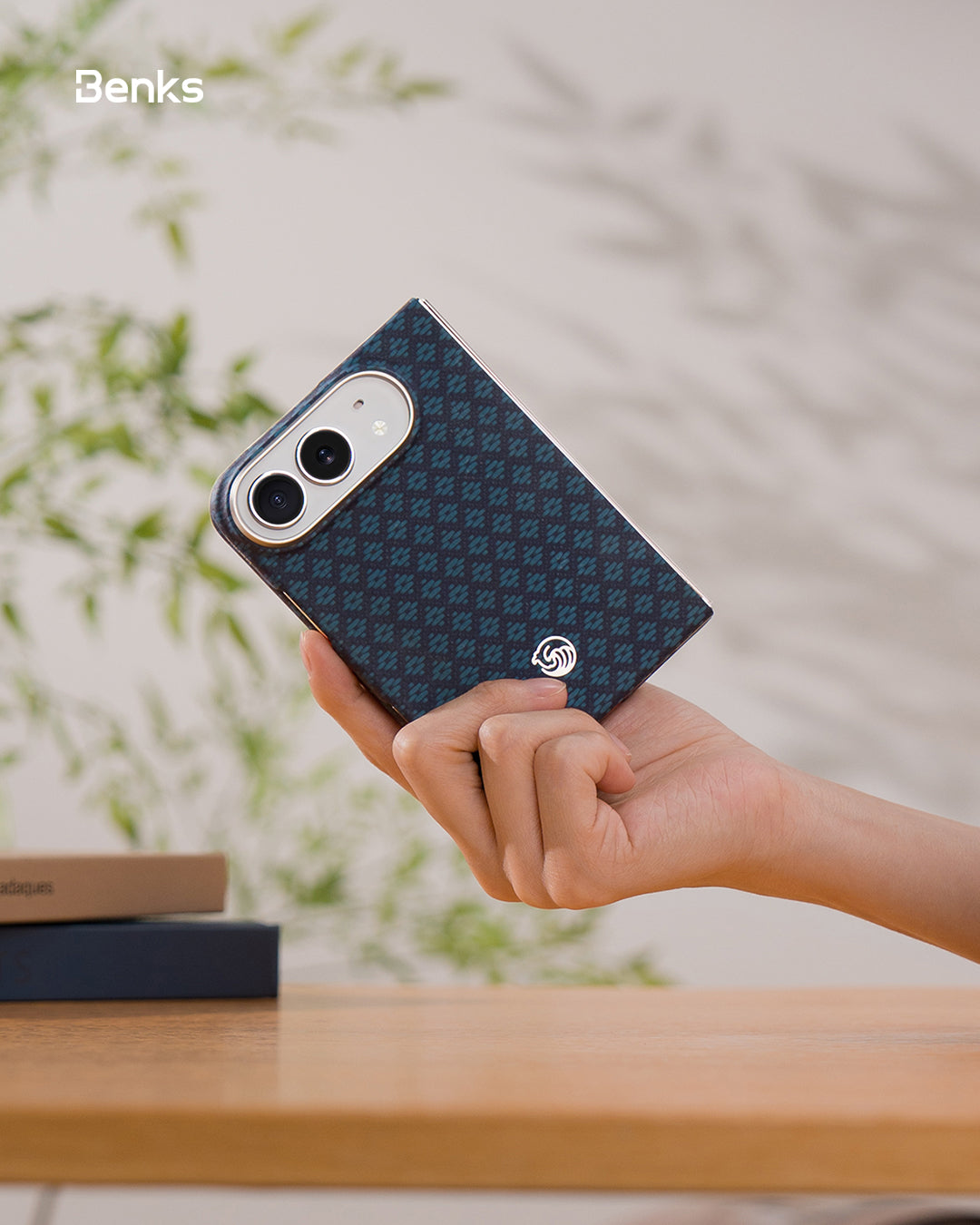
The ArmorGrid Air Case built with Kevlar® for iPhone 18 Pro Max follows a similarly slim approach, but introduces a more distinctive geometric woven surface.
The important part isn’t simply making a case thin. It’s making sure the material is doing enough work that the case doesn’t need unnecessary bulk in the first place.

Slim Case or Protective Case: Which One Should You Choose?
Not everyone should buy the lightest possible case. How you use your iPhone matters more than chasing the lowest number on a scale.
If you mostly work at a desk, rarely drop your phone and strongly dislike bulky cases, a slim Kevlar® case makes sense. You preserve more of the original dimensions and handling of the iPhone 18 Pro Max while still adding a protective barrier for everyday use.
But maybe you’re the person who drops your phone twice a week. In that case, a little extra weight may be a very good trade.
A hybrid design can combine a Kevlar® back with a shock-absorbing frame, placing additional material around the edges and corners where impacts are more likely to happen.
The Knight Pro Case built with Kevlar® for iPhone 18 Pro Max takes a more protective approach than Knight Air.
Similarly, the ArmorGrid Pro Case built with Kevlar® for iPhone 18 Pro Max provides a more protective alternative to ArmorGrid Air while retaining the ArmorGrid design language.
Air = prioritize slimness and lightweight handling.
Pro = prioritize additional everyday protection.
Neither is universally better. The right choice depends on what you’re protecting your phone from.
[IMAGE 6 — AIR VS PRO]
Suggested image: Side-profile comparison of an Air model and a Pro model.
Suggested ALT: slim vs protective iPhone 18 Pro Max case
So, Which Case Material Is Best for the iPhone 18 Pro Max?
Think about the problem you actually want your case to solve.
If grip matters most, silicone is still an easy choice. If you frequently drop your phone and want flexible impact absorption, TPU is useful. If you want a rigid transparent shell, polycarbonate makes sense.
But if your biggest complaint about the iPhone 18 Pro Max is already “This phone is heavy,” then Kevlar® and other aramid-fiber constructions deserve particular attention.
Their advantage isn’t that they magically remove the phone’s 249g weight. It’s that they can provide structure and protection without requiring the same amount of material as many conventional cases.
Don’t Choose a Case Based on Weight Alone
There’s an important caveat here: the lightest case isn’t automatically the best case.
A paper-thin shell may add almost no weight, but that doesn’t mean it provides the level of protection you need.
When comparing lightweight iPhone 18 Pro Max cases, consider the complete package: case weight, overall thickness, edge and corner coverage, camera protection, screen lip, MagSafe compatibility, grip, scratch resistance, button accessibility and material construction.
The goal isn’t to find the smallest number on a scale. It’s to find the best protection-to-weight ratio for your everyday use.

Final Thoughts: Your iPhone Is Already Heavy. Your Case Doesn’t Have to Be.
The iPhone 18 Pro Max weighs 249 grams. That gives case buyers a new consideration beyond color, MagSafe and drop protection: added weight.
Silicone, TPU and polycarbonate all have clear advantages depending on how you use your phone. But if you’re specifically searching for a lightweight iPhone 18 Pro Max case, high-performance aramid fibers such as Kevlar® offer an appealing balance between strength, slimness and weight.
Users who want the least additional bulk can look toward slim designs such as Knight Air and ArmorGrid Air. Those who want additional edge protection can choose more protective constructions such as Knight Pro and ArmorGrid Pro.
You can compare the full range of Benks iPhone 18 Pro Max cases to find the balance that fits the way you use your phone.
Because at 249g, the iPhone 18 Pro Max is already carrying plenty of weight on its own.
Your case should add protection, not unnecessary heaviness.


.%20With%20a%206.9-inch%20displa...)
Leave a comment
This site is protected by hCaptcha and the hCaptcha Privacy Policy and Terms of Service apply.