
Artikel: iPhone Duo Hinge Protection: How Magnetic Sliding Cases Work
iPhone Duo Hinge Protection: How Magnetic Sliding Cases Work
Most slim foldable cases leave one important area exposed: the hinge. That's the part that moves every time you open your phone—and the part many standard back cases don't cover.
So how do you protect it without getting in the way of the fold? The answer starts with understanding a magnetic sliding hinge-cover mechanism. Benks developed hinge-protection cases for Samsung's Galaxy Z Fold8, where the category became a strong seller for the brand. Now that approach is available for iPhone Duo.
Why Hinge Protection Matters on a Foldable Phone
A foldable phone has one exposed area that a conventional slim case often leaves untouched: the hinge-side spine. Rear panels may be covered, corners may have raised edges, and the camera area may be surrounded by a frame—but the folding edge can remain open to everyday contact.
Think about how a phone actually gets used. It is placed on tables, carried in bags, picked up one-handed and occasionally knocked against hard objects. On a book-style foldable, the hinge side is another exterior surface that can meet those objects. A scratch on the outside may be cosmetic, but an impact near a moving mechanism is understandably more worrying to owners.
That does not mean every exposed hinge will fail, or that a case can prevent an internal mechanical defect. The useful reason to consider hinge protection is simpler: an exterior cover can add a physical barrier between the folding spine and some everyday knocks and scuffs. It is one more part of a sensible protection setup, not a promise that the phone is damage-proof.
Why a standard slim case may not be enough
Most slim cases focus on the two broad surfaces of the phone. On a foldable, those surfaces move relative to each other. A rigid piece that simply bridges the gap would interfere with opening, which is why an effective hinge-cover design needs to account for movement as well as coverage.
That is the central challenge: protecting a surface that does not stay in the same position while the phone is in use.
How a Magnetic Sliding Hinge-Protection Mechanism Works
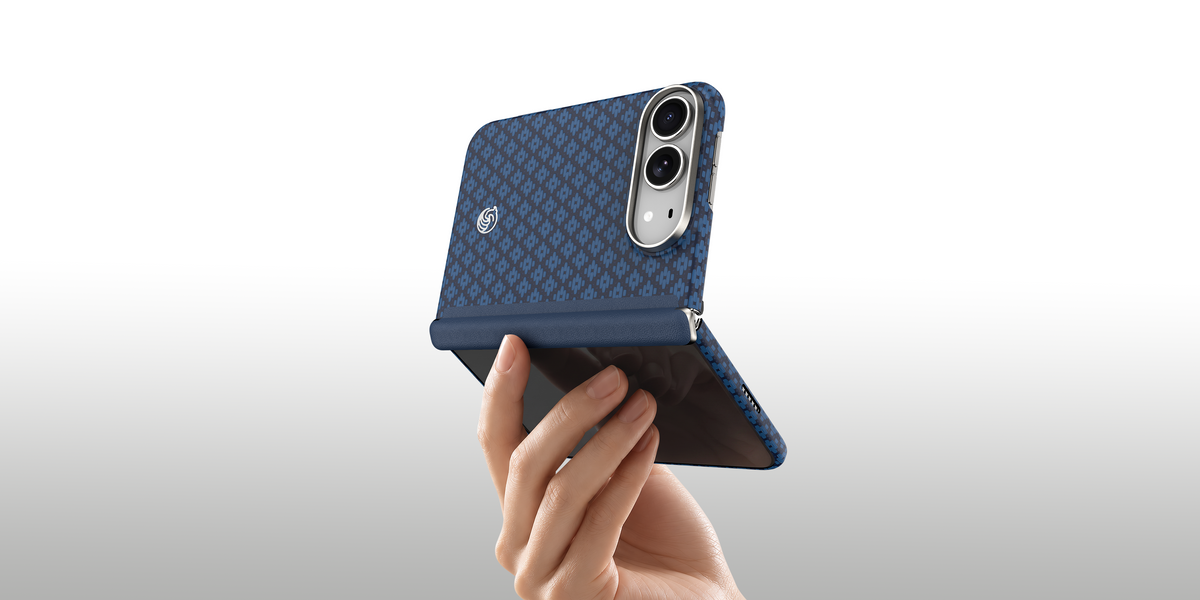
A hinge-protection case is not just a regular back cover with extra material on one side. Its protective structure needs to follow the folding action of the phone. In Benks' design, the hinge-protection structure is integrated with the rear case, with a magnetic arrangement at the hinge and a sliding motion that accommodates each fold and unfold.
Step 1: The phone closes
When the two halves fold together, the exterior spine becomes the area the user can see and touch from the side. The hinge-cover structure moves into its intended protective position around that exposed area. The magnetic arrangement helps position the cover as part of the mechanism.
Step 2: The phone opens
As the phone unfolds, the distance and angles around the spine change. Rather than remaining rigidly fixed across the folding gap, the protective structure slides with the motion. This sliding action is what allows the case to accommodate repeated opening and closing while continuing to provide exterior hinge coverage in its designed positions.
Step 3: The movement repeats
Every time you fold or unfold the device, the mechanism follows that movement again. This is why the details of the structure matter: a hinge cover needs to move predictably, maintain appropriate clearance and avoid forcing the phone's own folding mechanism.
The magnets discussed here are part of the case's hinge-cover positioning design. They should not be confused with a claim that the phone's internal hinge is magnetically operated, or that the case repairs or reinforces the internal hinge mechanism.
The easiest way to understand the design is to watch it move. The animation below shows the Benks iPhone Duo hinge-protection structure following the folding action.

When evaluating any moving hinge case, look for smooth travel, adequate clearance and a structure that is designed for the exact phone model. An animation explains the intended movement; real-world fit still depends on correct installation and the actual product.
Why Benks' Galaxy Z Fold8 Hinge Case Became a Popular Choice
Benks' experience with hinge-protection cases did not begin with iPhone Duo. Its Galaxy Z Fold8 hinge-protection case has been a strong-selling product for the brand, reflecting meaningful demand among Samsung foldable owners for a case that addresses the exposed spine.
The appeal is not simply that the case has a hinge cover. Foldable owners are balancing competing priorities: they want added coverage, but they also care about thickness, grip, camera-area protection and the way the phone feels when it opens. Those priorities shaped Benks' approach to its Fold8 case.

The Fold8 design highlights three practical considerations. First, a moving hinge-cover structure must work with the device's folding geometry. Second, the rear shell should remain comfortable for daily handling. Third, details such as the camera frame still matter even when the hinge is the headline feature.
Strong sales are a useful signal that customers are interested in this category, but they are not proof of an industry-wide number-one ranking or a specific impact-test result. The more important takeaway is that Benks has already developed and sold hinge-protection designs for another major foldable-phone lineup.
Now Available: Benks iPhone Duo Hinge Protection Case
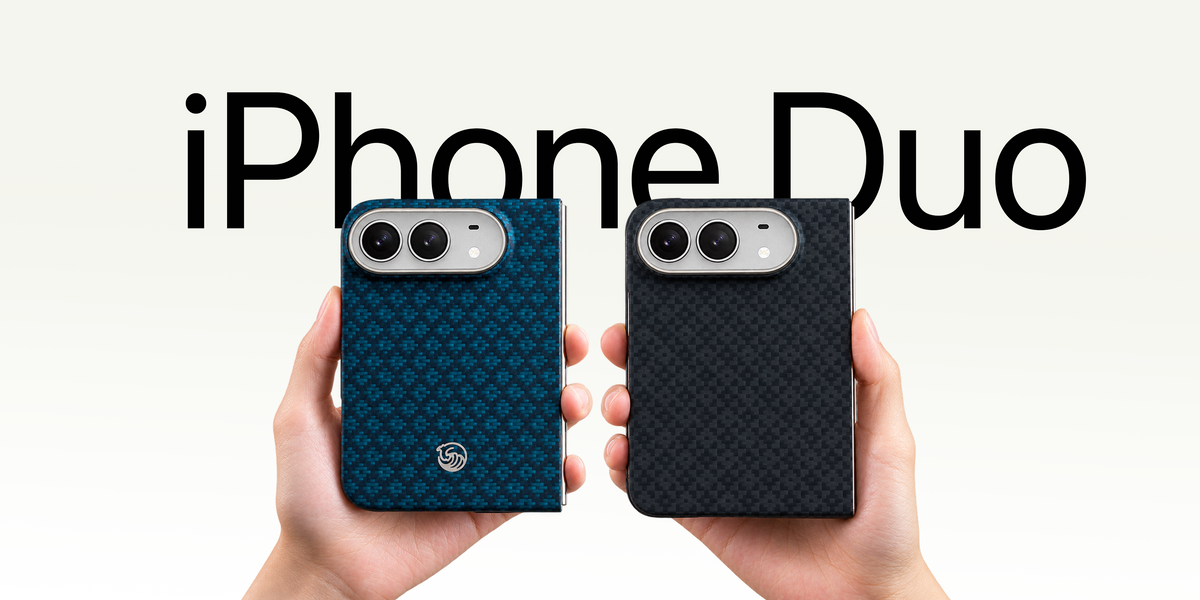
That experience now carries into iPhone Duo. Benks has introduced the ArmorGrid Air Hinge Protection Grand Combo for iPhone Duo, giving owners a dedicated hinge-cover option rather than asking them to settle for a back case that leaves the folding spine exposed.
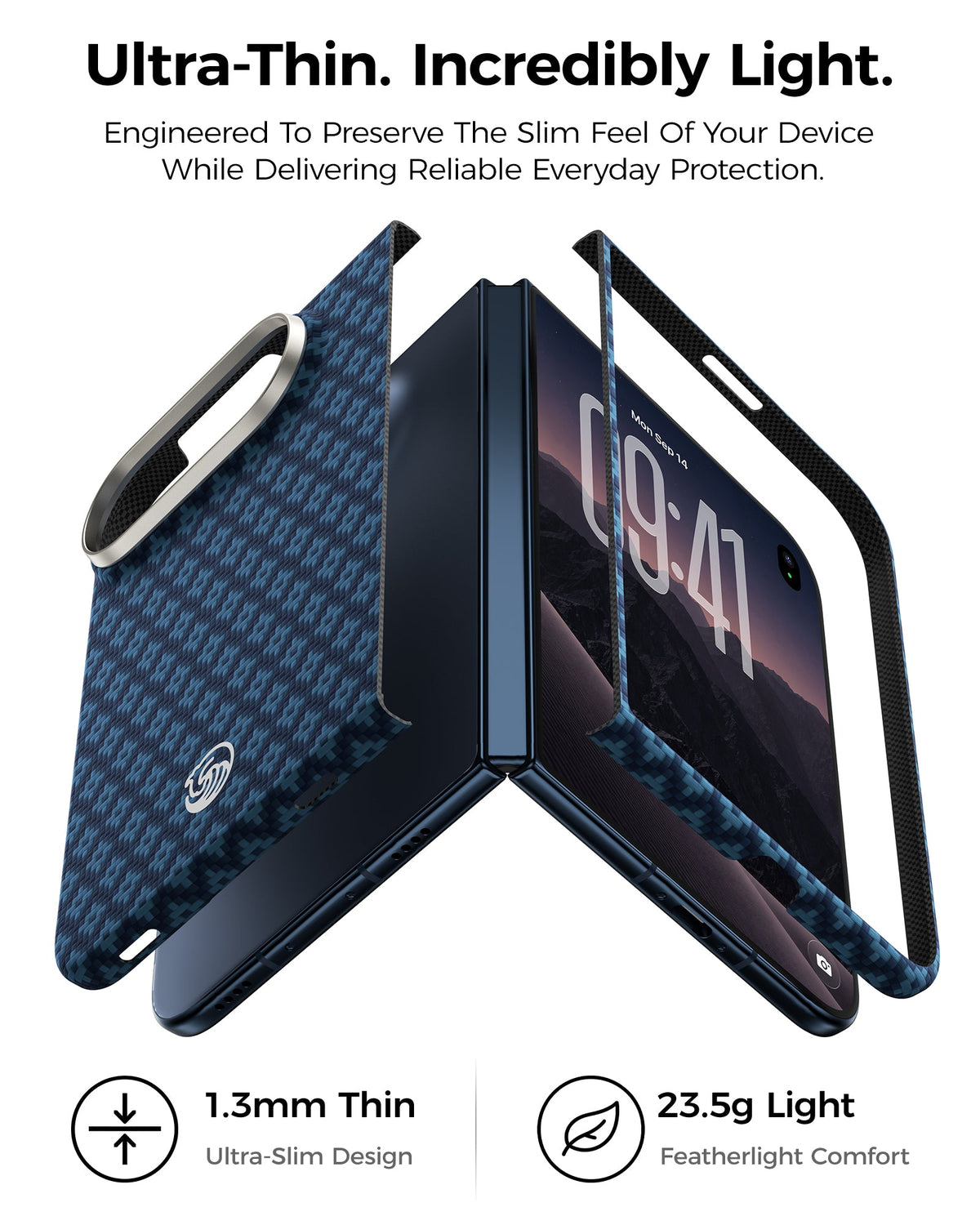
The key structural point is that the hinge protection is integrated with the rear case. Its magnetic sliding arrangement is designed to move with the phone through folding and unfolding. The iPhone Duo product is built for its own form factor; it should not be assumed to use identical dimensions or components to the Galaxy Z Fold8 version.

Benks also uses Kevlar Aramid Fiber in its ArmorGrid Air shell design. The material is relevant to the goal of balancing a streamlined profile with a strong, lightweight shell material. But the overall experience depends on more than fiber alone: the sliding structure, hinge-side clearance, case fit and daily handling all matter.
For buyers comparing versions, there is an important distinction. The original ArmorGrid Air Grand Combo is an open-hinge design. The new ArmorGrid Air Hinge Protection Grand Combo is the dedicated hinge-protection option. Check the full product name and current bundle details before ordering.
What Makes a Good iPhone Duo Hinge Case?
Once you understand why the hinge needs coverage and how the sliding structure works, the buying decision becomes more concrete. These are the details worth checking on the product page and in actual installed photographs.
1. Coverage where the spine is exposed
Look at the phone when folded, not only from the back. A clear side view shows where the hinge cover sits and which edges remain visible. No moving design should be assumed to seal every gap.
2. Smooth sliding through each fold
The protective structure should follow the phone's movement without obvious binding. A demonstration of the exact model is more useful than generic claims about “360-degree protection.” Do not force the phone if you encounter resistance after installation.
3. A profile you can live with
Hinge coverage adds structure along one edge, so check the closed-phone silhouette and how the case feels in the hand. A slim-looking rear panel does not tell the whole story; the spine profile matters too.
4. A rear shell that feels secure
Consider grip, texture, button access and the way the rear shell fits. Kevlar Aramid Fiber is a material consideration, not a substitute for thoughtful case construction.
5. Practical care and cleaning
A sliding cover has exterior surfaces that move. Follow the manufacturer's cleaning guidance and check for debris rather than assuming the hinge area is sealed against dust. Never insert sharp tools into the phone's own hinge.


Hinge Protection or Open-Hinge Design: Which Should You Choose?
Hinge coverage is a priority, not a universal requirement. Some owners prefer a case with the fewest moving parts and direct access to the exposed spine. Others would rather have an additional exterior barrier around that area.
| Priority | Open-hinge case | Hinge-protection case |
|---|---|---|
| Exterior spine | Left exposed | Additional coverage from a moving cover |
| Case structure | Simpler edge design | Integrated sliding hinge-cover mechanism |
| Closed-phone feel | Often a simpler silhouette | Extra structure along the spine |
| Maintenance | Spine directly accessible | Sliding-cover area needs inspection |
| Main reason to choose | Minimalist handling | Exterior hinge coverage |
If your biggest concern is the exposed folding spine, start with the hinge-protection version. If your top priority is a minimal case profile, compare the original open-hinge version. Neither option can guarantee prevention of internal hinge failure or flexible-display damage.
Installing and Using the Benks Hinge-Protection Case
Use the instructions for the exact iPhone Duo case you purchased. Begin with a clean, dry phone and inspect the exterior hinge area for debris. Fit the rear case and its integrated hinge-protection structure as directed; do not treat the hinge cover as a separate installation piece.
After installation, slowly fold and unfold the phone through its normal range. Check that the sliding cover follows the movement and that there is no unusual rubbing or resistance. Confirm that buttons, charging access and the camera area remain convenient to use.
If your chosen bundle includes other components, install them according to the included instructions. They are separate parts of the overall case setup; they do not change the basic principle of the integrated rear hinge-cover mechanism.

Frequently Asked Questions
Why is hinge protection important for iPhone Duo?
Many slim cases cover the back while leaving the folding spine exposed. A hinge-protection case adds an exterior barrier around that area, which may help reduce direct contact in some everyday situations.
How does the Benks magnetic sliding hinge cover work?
Its hinge-protection structure is integrated with the rear case. A magnetic arrangement at the hinge works with a sliding structure that follows the phone as it folds and unfolds. The design addresses exterior coverage; it does not operate or repair the phone's internal hinge.
Is the hinge cover a separate accessory?
No. On the Benks iPhone Duo hinge-protection version discussed here, the hinge-cover structure is part of the rear-case assembly.
Is the iPhone Duo version the same as the Galaxy Z Fold8 case?
No. The iPhone Duo design draws on Benks' Fold8 hinge-case experience, but the products are made for different phone geometries and should not be treated as interchangeable.
Can a hinge-protection case prevent all hinge damage?
No. It adds exterior coverage, but no case can guarantee protection against every impact, internal mechanical issue or flexible-screen failure.
Does Benks still offer an open-hinge iPhone Duo case?
Yes. The original ArmorGrid Air Grand Combo is an open-hinge option, while the newer Hinge Protection Grand Combo is designed for owners who want additional exterior spine coverage.
Protect the Hinge Without Forgetting How a Foldable Works
The hinge is what makes a foldable phone different—and what makes protecting it more complicated than protecting a standard smartphone. A useful hinge case needs to do two jobs: add an exterior barrier around the spine and move with the phone instead of getting in its way.
Benks' magnetic sliding hinge-cover design reflects that challenge. After strong demand for its Galaxy Z Fold8 hinge case, Benks has brought an integrated hinge-protection option to iPhone Duo. If the exposed folding spine is your main concern, explore the Benks iPhone Duo Hinge Protection Grand Combo and compare the actual hinge structure, fit and configuration before buying.


Hinterlasse einen Kommentar
Diese Website ist durch hCaptcha geschützt und es gelten die allgemeinen Geschäftsbedingungen und Datenschutzbestimmungen von hCaptcha.