

Why Apple Switched to Aluminum on the iPhone 17 ?
With the iPhone 17 series, Apple made one of its most noticeable design changes in recent years:
titanium is out, and a new aluminum frame is in.Many users love how much lighter the phone feels, but they also quickly notice one thing—aluminum can scratch more easily than titanium.
Here’s a simple and clear explanation of why Apple made this decision and what it means for daily use.
1. Why Apple Chose Aluminum This Year
The main reason is weight and comfort.
Aluminum is significantly lighter than titanium, allowing Apple to reduce the overall weight of the iPhone 17 while keeping the same strong structure.
The result?
-
A phone that feels more balanced in the hand
-
A smoother grip thanks to the two-tone finish
-
Less strain during one-hand use
In fact, the iPhone 17 lineup is only 5–9 grams (0.17–0.32 oz) heavier than the iPhone 16 series, despite a significant jump in battery capacity—especially on the 17 Pro Max, which now reaches a massive 5,088 mAh, the largest ever in an iPhone.
Aluminum is the key factor that allowed Apple to add this much battery capacity without creating a noticeably heavier device.
This results in a phone that feels more balanced, easier to grip, and more comfortable during long-term use.
2. The Trade-Off: Aluminum Scratches More Easily
While aluminum is lighter, it is also softer than titanium.
This means:
-
It scratches more easily, especially around edges
-
Fine lines may appear from keys, tables, or even dust
-
Long-term wear is more noticeable than on last year’s titanium frame
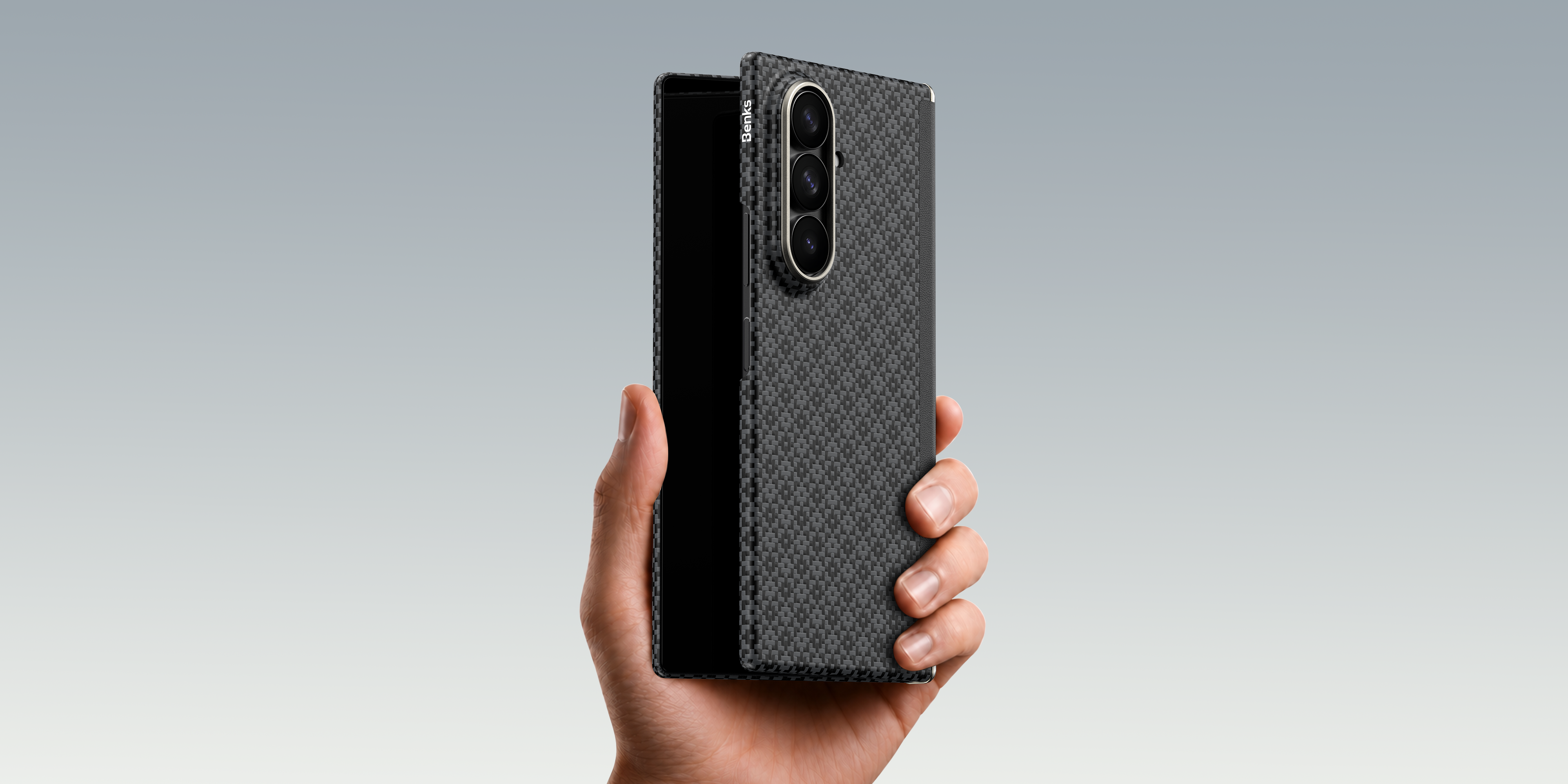
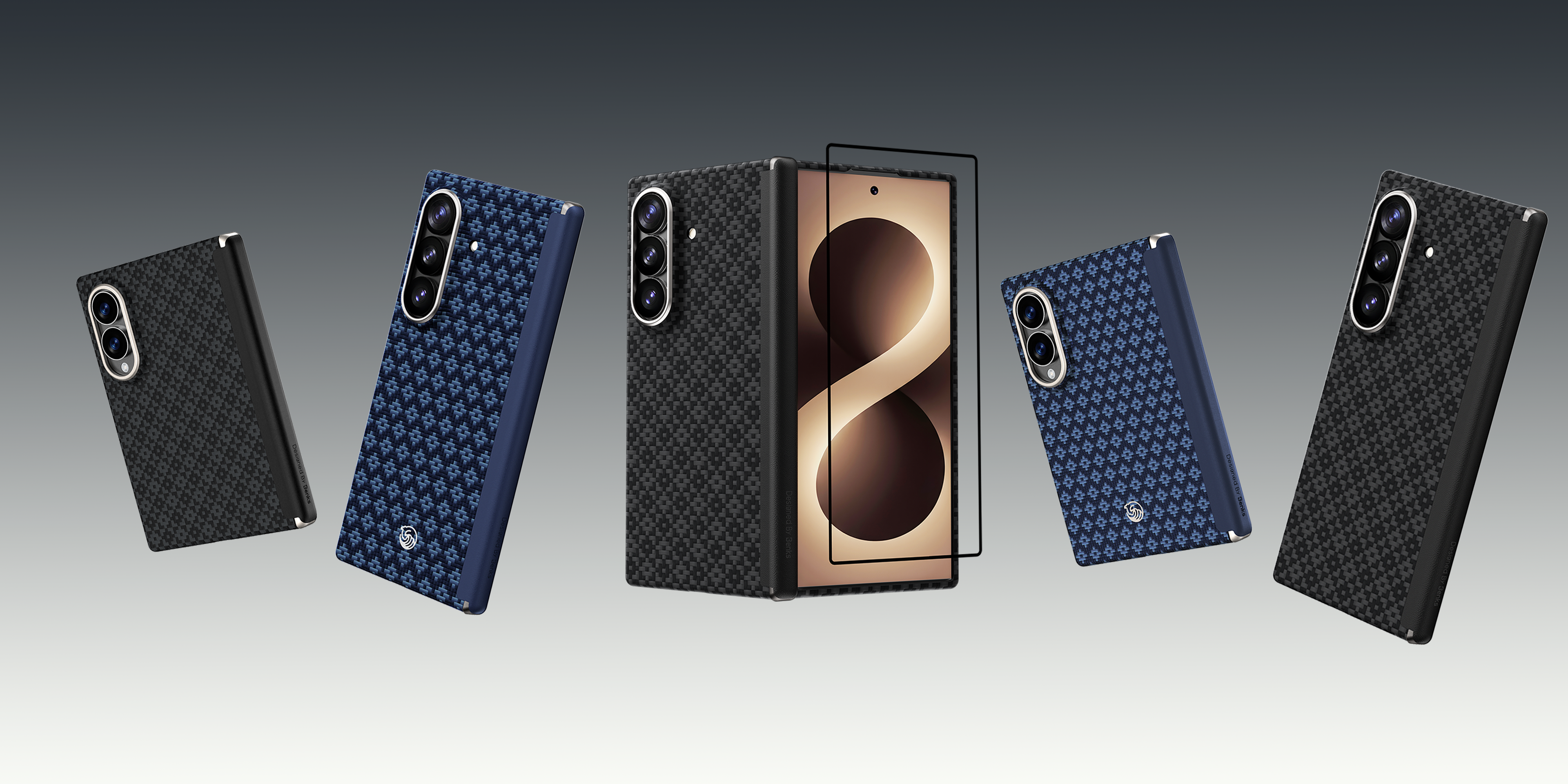
This doesn’t mean the phone is fragile—it’s still strong structurally—but surface marks are more common.For users who care about keeping their phone looking new, a protective case becomes even more important this year.

Kevlar® ArmorPro Cases(TPU Frame)
3. Aluminum Works Better With Apple’s New Cooling System
The material change also ties into Apple’s internal redesign.
The iPhone 17 series uses an upgraded VC (vapor chamber) cooling system, which helps:
-
Reduce heat during gaming
-
Improve charging stability
-
Keep performance consistent under heavy loads
Aluminum conducts heat more efficiently across the frame, helping the vapor chamber spread warmth more evenly.
The result is a phone that runs cooler and maintains better long-term performance—especially during intensive tasks.
You May Want to Learn
iPhone 17 Pro/17 Pro Max Cooling Explained: Apple’s VC Vapor Chamber
4. Final Thoughts
Apple’s switch to aluminum isn’t just about changing materials—it’s about improving comfort, reducing weight, and supporting a new cooling system.
Yes, aluminum scratches more easily, but with a good case, most users will enjoy the lighter feel without worrying about marks.



Hinterlasse einen Kommentar
Diese Website ist durch hCaptcha geschützt und es gelten die allgemeinen Geschäftsbedingungen und Datenschutzbestimmungen von hCaptcha.