
Article: iPhone 18 Pro Max Is 249g — Is the Extra Battery Life Really Worth the Weight?
iPhone 18 Pro Max Is 249g — Is the Extra Battery Life Really Worth the Weight?
The iPhone 18 Pro Max has an obvious advantage over the iPhone 18 Pro: battery life.
But it also comes with something you will notice every single time you pick it up — weight.
The iPhone 18 Pro weighs 211g. The iPhone 18 Pro Max reaches 249g, making the difference between the two models 38g before you add a screen protector, case, wallet, grip, or any other accessory.
On a spec sheet, 38g doesn't sound dramatic. In your hand for several hours a day, it can be.
That is why one of the more interesting questions around this year's Pro lineup isn't whether the Pro Max is technically “better.” It's much simpler: Is the extra battery life worth carrying a heavier phone every day?
For some people, absolutely. For others, the regular iPhone 18 Pro may actually be the better Pro iPhone.
249g Doesn't Sound Heavy — Until You Carry It Every Day
| iPhone 18 Pro | iPhone 18 Pro Max | |
|---|---|---|
| Display | 6.3 inches | 6.9 inches |
| Weight | 211g | 249g |
| Weight difference | — | +38g |
| Chip | A20 Pro | A20 Pro |
| Starting storage | 256GB | 256GB |
| Video playback | Up to 36 hours | Up to 45 hours |
The Pro Max gives you a much larger 6.9-inch display and substantially longer battery life. The trade-off is that it weighs about 18% more than the Pro.
And phone weight works differently from the weight of many other objects. You don't pick up your laptop every few minutes. You probably don't hold your tablet above your face in bed. Your phone, however, may spend hours in your hand, pocket, bag, car mount, or running shorts every day.
That makes small weight differences surprisingly noticeable. Research into handheld-device biomechanics also suggests that device size and weight can influence muscular fatigue and joint loading during prolonged use, as discussed in The Impact of Handheld Device Use on Hand Biomechanics.
A heavier phone can become more tiring during one-handed scrolling. It can pull harder on loose pockets. It is less comfortable to hold while lying down, and the combination of a 6.9-inch body and additional weight can make one-handed use more difficult.
This doesn't mean 249g is automatically “too heavy.” It means weight should be treated as a real feature — not a number buried near the bottom of the spec sheet.
The Problem: The Pro Max Battery Is Genuinely Tempting
If weight were the only difference, choosing the iPhone 18 Pro would be easy. It isn't.
The iPhone 18 Pro is rated for up to 36 hours of video playback, while the iPhone 18 Pro Max reaches up to 45 hours. That is a meaningful gap.
Battery anxiety isn't just a marketing idea. Research into low-battery anxiety among mobile users has examined how remaining battery level can influence user behavior and charging decisions.
If you regularly leave home early in the morning and don't get back until late at night, having more battery changes how you use your phone. You stop thinking about chargers. You can use navigation for longer. You can shoot more photos and video. You can play games, stream content, or use the hotspot without constantly watching the percentage in the corner.
For travelers, photographers, mobile gamers, commuters, and people who spend long periods away from a charger, the Pro Max's extra endurance can easily matter more than 38g. But that doesn't mean everyone benefits equally.
Is Nine More Hours of Rated Video Playback Worth 38g?
This is the question that matters more than simply asking which phone has “better battery life.” The Pro Max clearly wins on battery. The real question is whether you actually need the extra capacity.
Imagine two users. One spends most of the day in an office. There is a MagSafe charger on the desk, another charger at home, and CarPlay during the commute. The phone rarely falls below 30% before bedtime.
The other travels frequently, uses Google Maps for hours, shoots video, takes calls throughout the day, and sometimes has no reliable access to a charger until evening.
For the first person, the Pro Max battery advantage may mostly exist on a spec sheet. For the second, it can fundamentally improve the experience.
Extra battery only matters when you need it. Extra weight is something you carry every minute.
If your current iPhone regularly reaches the end of the day with plenty of battery remaining, buying the Pro Max purely for battery life may be solving a problem you don't actually have.
Don't Buy the Pro Max Because You Think It's Faster
“Max” sounds like the more powerful phone. This year, that isn't a particularly useful way to think about it.
Both the iPhone 18 Pro and iPhone 18 Pro Max use Apple's A20 Pro chip. Both are designed around the same Pro-level performance platform and benefit from Apple's latest thermal architecture.
So if your concern is gaming, video editing, Apple Intelligence, multitasking, or simply keeping the phone for several years, choosing the smaller Pro does not mean stepping down to a lower class of processor.
The Pro Max is bigger. It lasts longer. But it isn't automatically the faster choice just because “Max” is written at the end of the name.

And Don't Buy It Just for a “Better” Camera
The same logic applies to the camera. The iPhone 18 Pro and Pro Max share the core Pro camera system this year, including the 48MP Fusion Main camera and Apple's variable-aperture system.
That changes the buying decision. If the photos you take on the Pro and Pro Max are coming from essentially the same camera platform, you don't need to carry the larger phone just to feel like you're getting the “real” Pro experience.
For photography, the larger display and longer battery life may still make the Pro Max more convenient — particularly for long shooting sessions. But that is different from the camera itself being substantially better.
Camera performance should not be the deciding factor between the iPhone 18 Pro and iPhone 18 Pro Max this year.
The $100 Difference Isn't Really the Problem
The iPhone 18 Pro starts at $1,199 in the U.S., while the iPhone 18 Pro Max starts at $1,299.
A $100 difference on a phone that already costs more than $1,000 can make the Pro Max look like an easy upgrade. This is where FOMO starts: “If I'm already spending $1,199, shouldn't I just spend another $100 and get the Max?”
Not necessarily. Because the real cost isn't only $100. You're also choosing a larger device that weighs 38g more.
If you actively want a 6.9-inch screen and longer battery life, that trade is excellent value. If you don't need the larger screen and your battery already lasts through the day, you're effectively paying extra to carry a phone you may find less comfortable.
The Pro Max is good value only if you value what makes it Max.
Who Should Buy the iPhone 18 Pro?
The iPhone 18 Pro is probably the more balanced choice for most people. At 6.3 inches, it is not a small phone. You still get plenty of screen space for video, games, photography, navigation, and everyday apps.
But at 211g, it is noticeably lighter than the Pro Max.
- Frequently use your phone with one hand
- Carry your phone in a pants or shorts pocket
- Find heavy phones uncomfortable
- Spend most days near a charger
- Don't specifically want a 6.9-inch display
- Want Pro-level performance and cameras without the largest body
Who Should Buy the iPhone 18 Pro Max?
The Pro Max makes much more sense when battery life and screen size are actual priorities rather than spec-sheet bonuses.
- Regularly finish the day with very low battery
- Travel frequently
- Shoot a lot of photos or video
- Play demanding games for long sessions
- Stream a lot of movies or video
- Use your iPhone as a work device
- Prefer the largest possible display
- Don't mind carrying a 249g phone
For these users, the additional weight isn't pointless bulk. It's part of the trade-off for a bigger screen and more battery.
What About Storage?
Storage doesn't need to complicate the Pro vs Pro Max decision. Both models start at 256GB, so you don't need to move to the larger phone simply to get a more practical base storage tier.
For most users, 256GB should be comfortable. People who shoot large amounts of high-resolution video, download big games, keep offline media, or plan to keep the phone for several years may still want 512GB or more.
We've covered that decision separately in iPhone 18 Pro Storage: Is 256GB Enough in 2026?.
One More Weight Problem: 249g Isn't the Weight You'll Actually Carry
There is one important problem with every phone weight comparison: it compares naked phones.
Most people won't actually carry a naked $1,299 iPhone every day. You'll probably add a screen protector. Then a case. Maybe a MagSafe wallet, grip, stand, or battery pack.
Suddenly, that 249g specification isn't your real-world weight anymore. For the iPhone 18 Pro Max in particular, case weight deserves more attention than it normally gets.
A heavy protective case can turn an already substantial phone into something approaching 300g. That changes the question from “How protective is this case?” to “How much protection am I getting for the weight I'm adding?”
We explored this specifically in The Heaviest iPhone Pro Max Ever: What’s the Lightest Case Material for iPhone 18 Pro Max?.
The basic conclusion is simple: on a phone this heavy, protection-to-weight ratio matters.
What Kind of Case Makes Sense for the iPhone 18 Pro Max?
There is no single best case material for everyone. Soft TPU and silicone can provide useful impact cushioning and grip, but thicker designs add noticeable volume and weight. Polycarbonate can provide rigid structural protection, although the feel and impact performance depend heavily on construction.
Aramid fibers such as Kevlar® are interesting for a different reason: they offer high strength at relatively low weight.
That doesn't mean every thin Kevlar® case offers the same level of protection as a massive rugged case. It means the material can make sense for someone who deliberately chose a premium phone and doesn't want to undo its ergonomics by wrapping it in unnecessary bulk.
For a deeper material comparison, see Phone Case Materials Guide: Kevlar, TPU & More (2026).
And if you're wondering whether choosing a thinner case automatically means giving up useful everyday protection, we've also covered that question in Do Thin Phone Cases Really Protect Your Phone? Real Test Results and Honest Answer

For the iPhone 18 Pro Max, this trade-off is especially relevant. You already chose the heavier phone for a reason. Your case doesn't need to make it heavier than necessary.
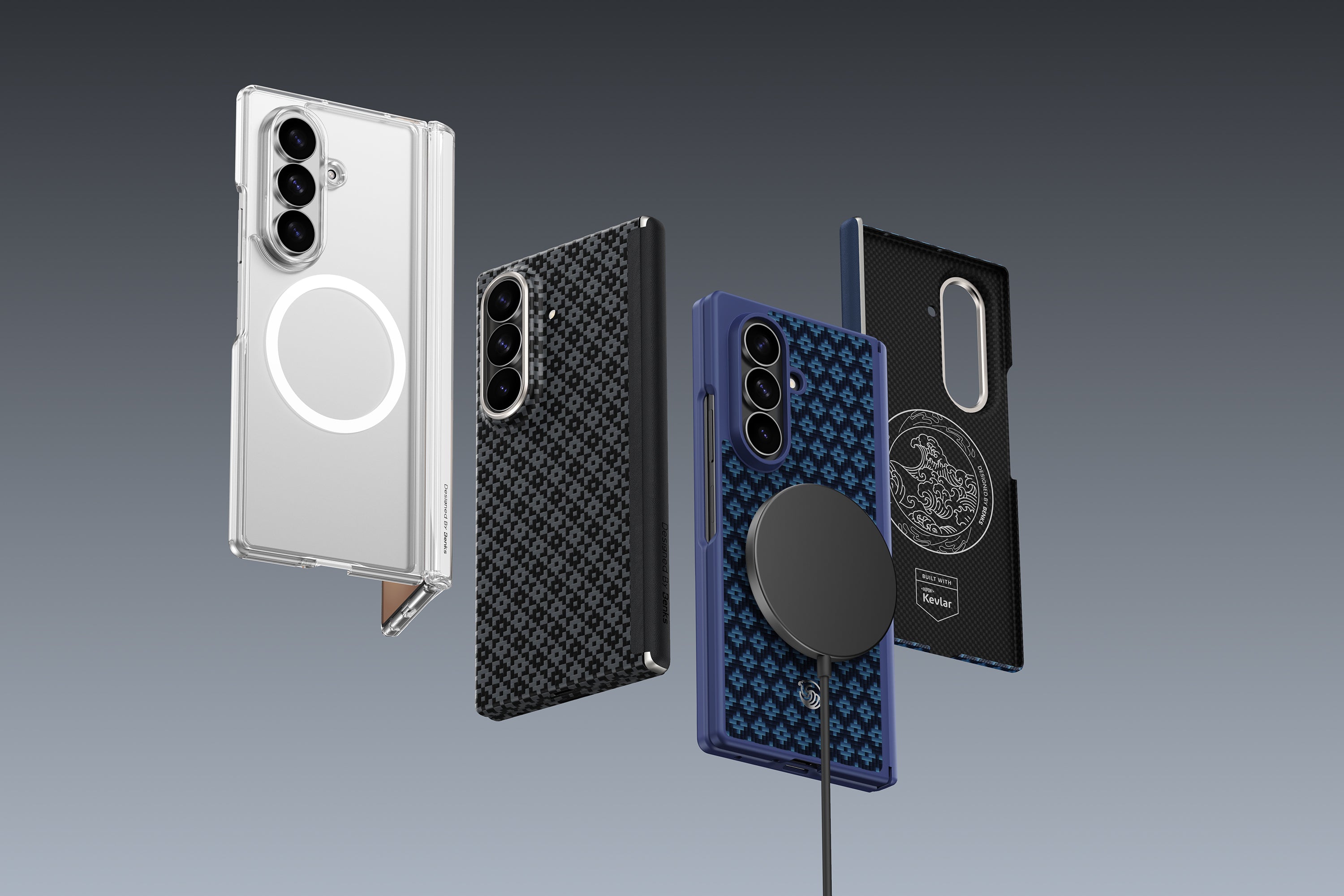
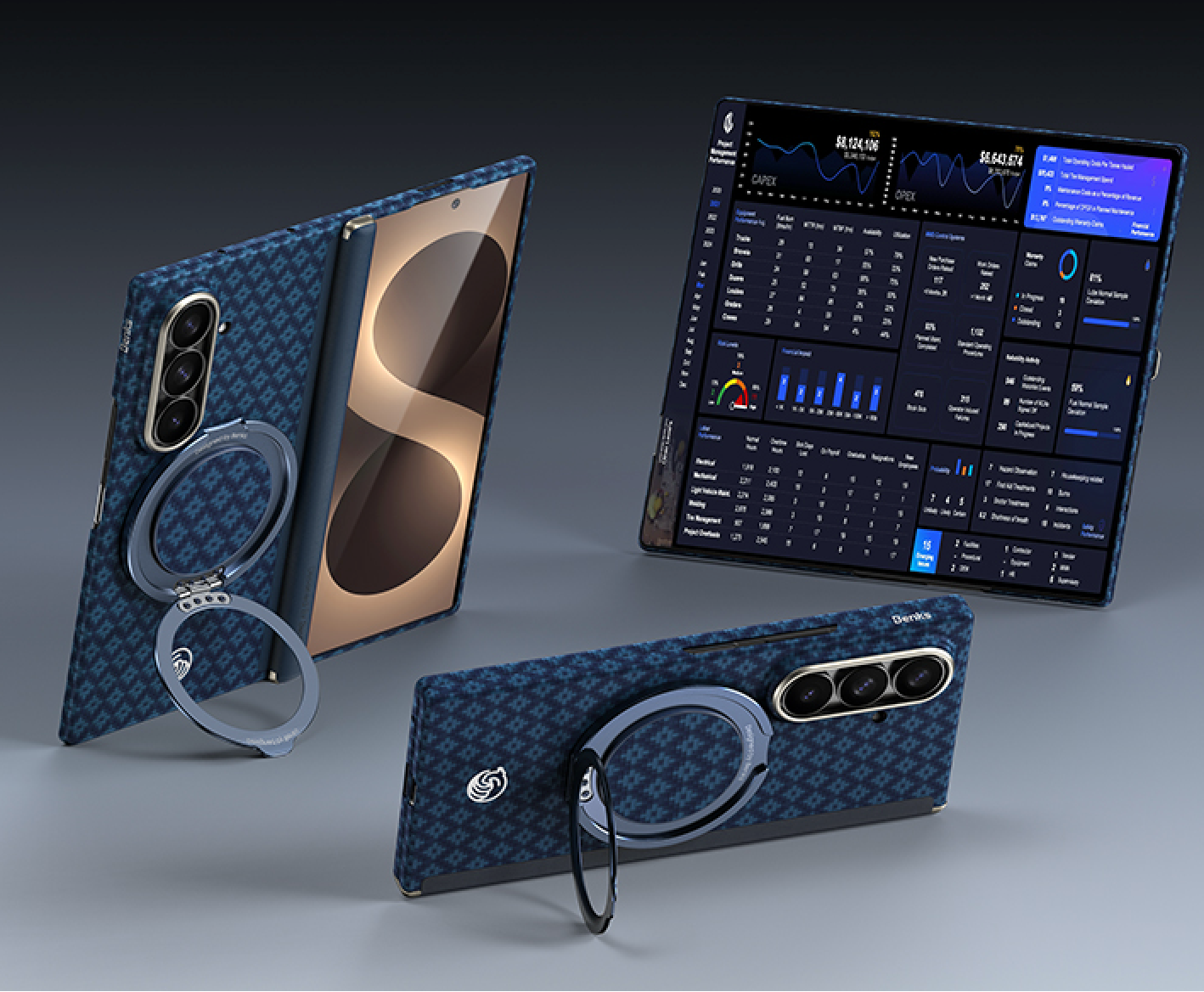
Benks' lightweight Kevlar® case options for the iPhone 18 Pro and Pro Max are designed around that idea: keeping the phone protected while minimizing unnecessary bulk. If you prefer a slim setup, a lightweight aramid-fiber design is worth considering alongside more conventional TPU or rugged cases.
The goal isn't to use the lightest case possible. It's to avoid turning a 249g phone into a brick just because you want everyday protection.
Final Verdict: The Pro Max Isn't Better — It's Bigger, Heavier and Longer-Lasting
If you want a simple answer, here it is.
Most people should probably buy the iPhone 18 Pro.
You get the Pro performance, Pro camera system, 256GB starting storage, and a large enough 6.3-inch display without carrying the extra size and 38g of the Pro Max.
But there is an important exception. If battery life is one of the biggest frustrations you have with your current phone — or you genuinely prefer a 6.9-inch display — buy the iPhone 18 Pro Max.
The extra $100 is relatively easy to justify. The extra weight is the part you should think about.
The iPhone 18 Pro Max isn't the “better” iPhone 18 Pro. It's the bigger, heavier, longer-lasting one.
For the right person, that's exactly what makes it better.
Frequently Asked Questions
Is the iPhone 18 Pro Max too heavy?
The iPhone 18 Pro Max weighs 249g, compared with 211g for the iPhone 18 Pro. Whether that feels too heavy depends on your hand size, how you carry your phone, and how often you use it one-handed. Remember that a case and screen protector will increase the final weight.
How much heavier is the iPhone 18 Pro Max than the iPhone 18 Pro?
The iPhone 18 Pro Max is 38g heavier than the iPhone 18 Pro — roughly an 18% increase in weight.
Is the iPhone 18 Pro Max battery worth the extra weight?
It can be if you regularly spend long periods away from a charger, travel frequently, play games, shoot video, or use your phone heavily throughout the day. If your phone already comfortably lasts until bedtime, the lighter iPhone 18 Pro may be more practical.
Is iPhone 18 Pro battery life enough for a full day?
For many users, yes. Actual endurance depends on screen brightness, cellular signal, gaming, camera use, navigation, background apps, and other factors.
Should I buy iPhone 18 Pro or Pro Max if I have small hands?
The 6.3-inch iPhone 18 Pro will generally be easier to hold and use one-handed than the 6.9-inch Pro Max. If hand comfort is important, trying both sizes in person before buying is worthwhile.
Does a case make the iPhone 18 Pro Max too heavy?
It can. Because the phone already weighs 249g, a thick case can make the total package noticeably heavier. This is why lightweight case materials and protection-to-weight ratio are particularly relevant for the Pro Max.
What is the lightest case material for iPhone 18 Pro Max?
Thin aramid-fiber materials such as Kevlar® can offer high strength at relatively low weight. However, material isn't the only factor that determines protection; case structure, corner design, raised edges, fit, and thickness also matter.
Is 256GB enough for the iPhone 18 Pro or Pro Max?
For most users, 256GB should be sufficient. Users who shoot large amounts of high-resolution video, install many large games, store media offline, or plan to keep the phone for several years may benefit from 512GB or more.


Leave a comment
This site is protected by hCaptcha and the hCaptcha Privacy Policy and Terms of Service apply.