
Article: Kevlar Aramid Fiber vs Silicone iPhone Duo Cases: Which Feels Better in Daily Use?

Kevlar Aramid Fiber vs Silicone iPhone Duo Cases: Which Feels Better in Daily Use?
Choosing an iPhone Duo case is not only about how much protection it offers. It is also about how the phone feels every time you pick it up, unfold it, slip it into a pocket, or set it on a desk. Two materials often considered by shoppers are Kevlar Aramid Fiber and silicone. Both can make sense, but they solve different everyday problems.
Recent iPhone Duo case discussions show buyers repeatedly weighing thinness, grip, front-frame fit, hinge coverage, and the frustration of adding bulk to a foldable phone. Those concerns make material choice a useful starting point—but not the whole answer.
Kevlar Aramid Fiber vs Silicone: The Quick Comparison
| What matters | Kevlar Aramid Fiber case | Silicone case |
|---|---|---|
| Hand feel | Typically firmer, with a woven or textured finish | Usually softer and more rubbery |
| Bulk | Can support a slim, rigid shell | Thickness varies; some designs feel more padded |
| Grip | Depends on weave, coating, and finish | Often feels tackier in the hand |
| Pocket use | Smoother finishes may slide in and out more easily | Tacky surfaces may catch on fabric or collect lint |
| Protection | Depends on case geometry and coverage | Depends on thickness, construction, and coverage |
These are typical material characteristics, not guarantees for every case. A premium finish cannot replace a well-fitting design.
1. Which Material Feels Better When Holding an iPhone Duo?
Silicone is popular because its soft-touch surface often feels reassuring when you grip a phone. If you dislike a hard or smooth shell, that slightly tacky sensation can be appealing. The trade-off is personal: some people enjoy the friction, while others dislike how it catches on pockets or picks up dust.
Kevlar Aramid Fiber cases take a different approach. Their appeal is a firmer shell with a distinctive woven appearance. Depending on the surface finish, the texture may provide a secure-feeling hold without the rubbery sensation of silicone. That does not mean every woven case is automatically grippier. Surface coatings, hand oils, and the way you hold the unfolded device all influence the result.
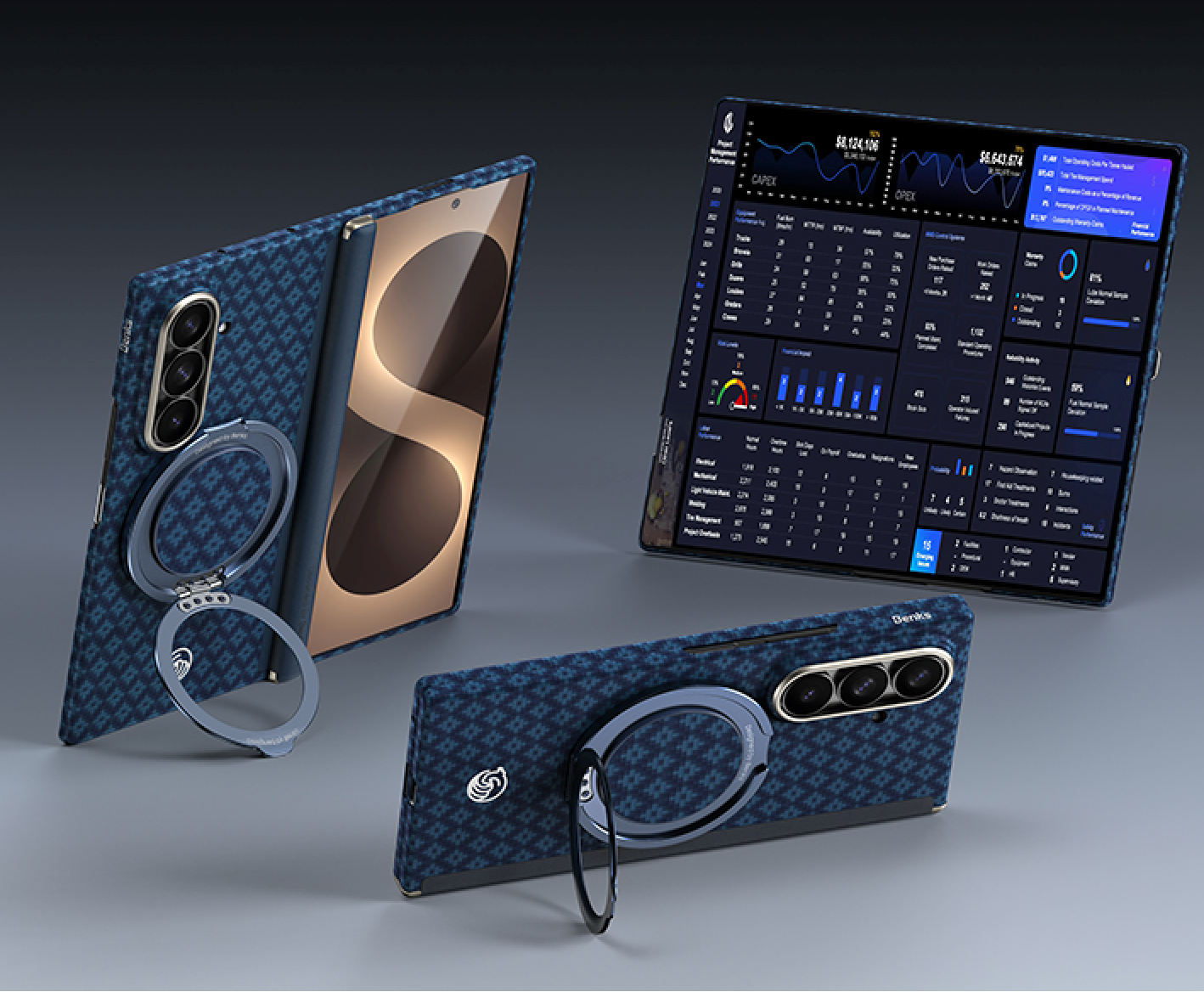
In a recent owner setup discussion, users specifically asked about the grip of a woven case and how it worked with a separate stand. It is a reminder that “good grip” is a real shopping question, not just a product-page adjective.
2. Why Thickness Matters More on a Foldable
An iPhone Duo is already a different shape from a conventional phone. When closed, added material can be noticeable around the edges and in a pocket. When unfolded, uneven front and rear coverage can change how the device rests on a table.
Kevlar Aramid Fiber is often chosen for slim shell construction. Silicone can be comfortable, but a more cushioned silicone design may introduce extra thickness. Neither material tells you the final dimensions on its own.
Before buying, compare the finished case thickness, not only the material name. For a multi-piece foldable case, also check whether a quoted weight refers to the rear shell, front frame, or complete set. A light rear panel does not mean the entire installed setup weighs the same amount.
One iPhone Duo buyer comparing several cases described how a thicker, one-sided case made the unfolded phone sit unevenly. That is a practical reason to look beyond a simple “thin” label.
3. Does Kevlar Aramid Fiber Offer Better Protection Than Silicone?
There is no responsible universal winner. A rigid shell can provide everyday surface coverage while keeping the phone relatively slim. A thicker, more flexible case may offer additional cushioning in some situations. But actual protection depends on the entire design: corners, raised edges, fit, attachment points, and verified testing.
For an iPhone Duo, pay particular attention to the front display frame and hinge. Some cases protect only the back. Others include a front frame, screen protector, or dedicated hinge cover. Material choice alone does not tell you which areas are covered.
If hinge protection matters, compare the moving mechanism and how much extra width it introduces. If minimal bulk matters more, an open-hinge design may be more comfortable. Neither choice is right for everyone.
4. What About Dust, Fingerprints, and Everyday Maintenance?
Silicone's softer, tackier finish can attract lint from pockets and bags. It is generally easy to wipe down, but surface wear and discoloration vary by product and color.
Kevlar Aramid Fiber cases have different coatings and woven finishes, so cleaning and fingerprint visibility vary as well. Follow the manufacturer's cleaning instructions rather than assuming all woven cases are identical. Avoid abrasive cleaners that could damage a surface coating.
For either material, check the fit periodically. Dust trapped between a case and a phone can be irritating, and a loose front frame may be more important to daily satisfaction than the material itself.
5. Which Material Is the Better Buy for Your Priorities?
Choose silicone if your top priority is a softer, tackier hand feel and you are comfortable evaluating a potentially thicker design.
Choose Kevlar Aramid Fiber if you prefer a firmer, woven finish and want to compare slim shell options that aim to preserve the phone's original feel.
Then check the details that determine whether a case works for you: front-frame attachment, screen protector fit, hinge coverage, grip accessories, and how the phone sits when unfolded.
Where Benks ArmorGrid Air Fits In
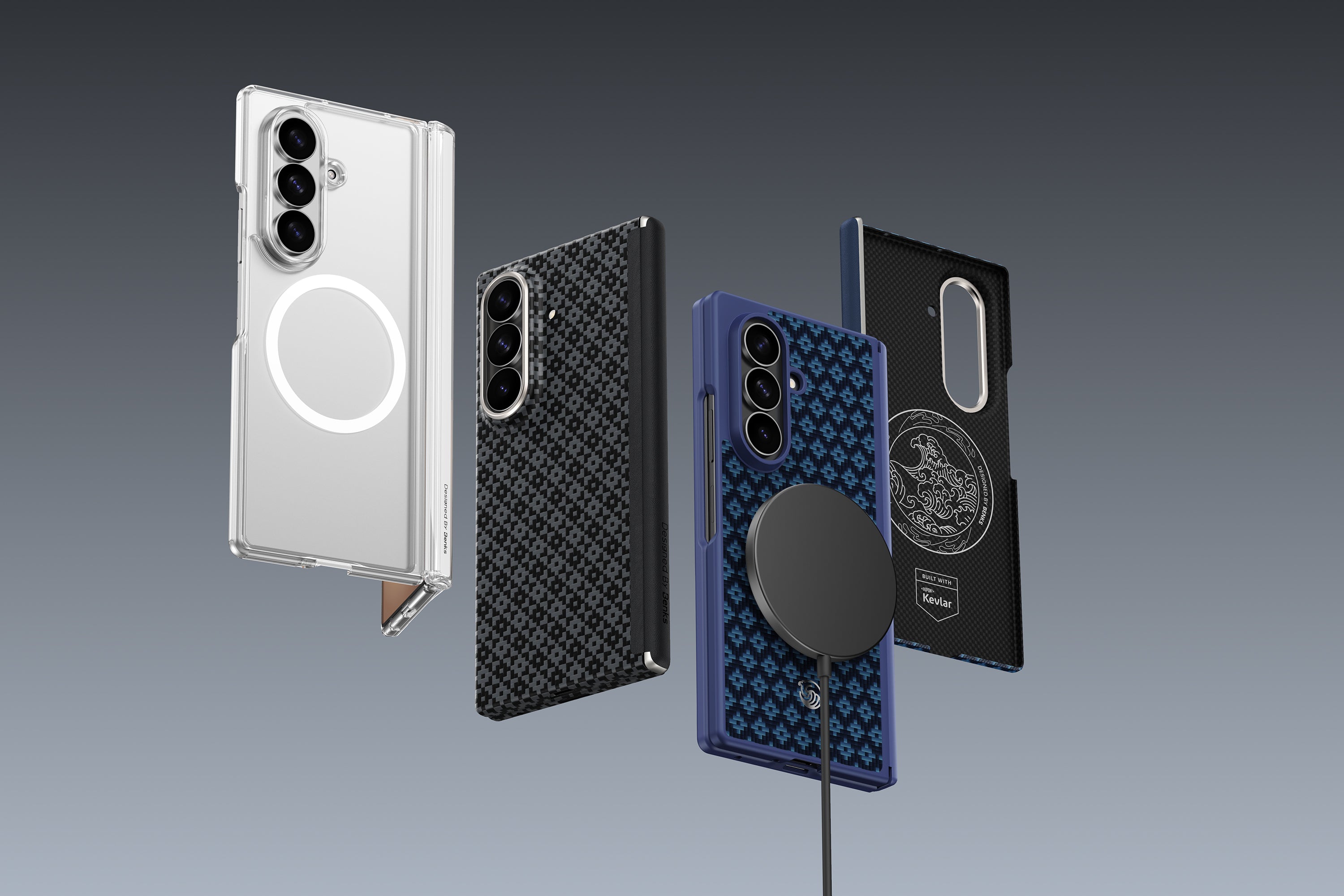
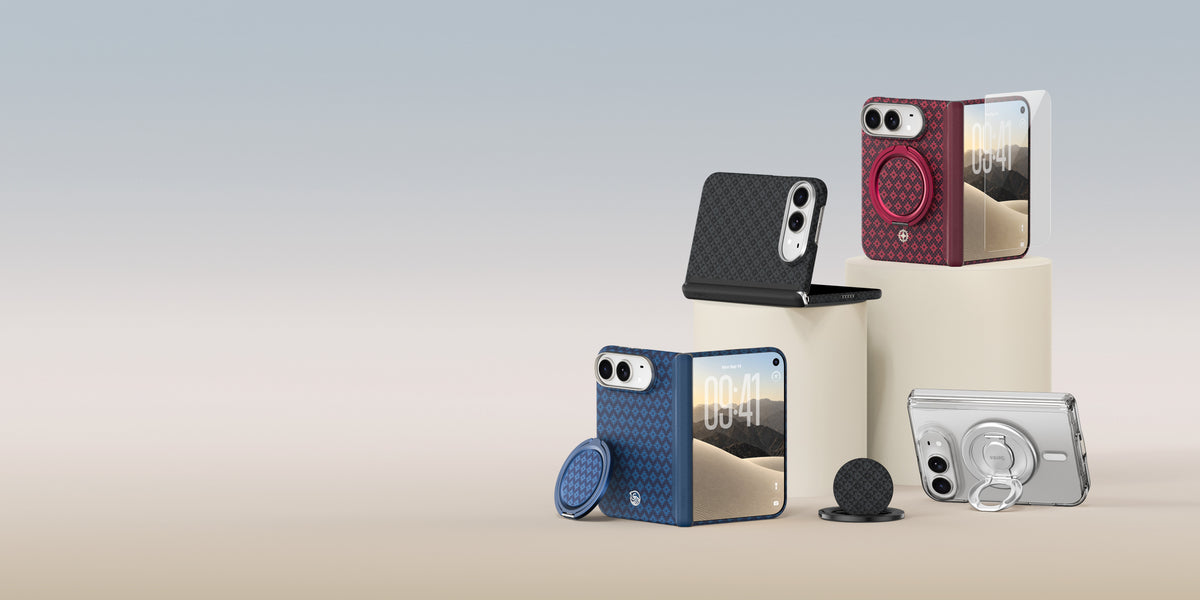
Benks offers the ArmorGrid Air Grand Combo for iPhone Duo, combining a Kevlar Aramid Fiber rear shell, front frame, and outer-screen protector. The standard Grand Combo does not include hinge protection, so it is best considered by buyers prioritizing a streamlined setup.
For shoppers who want additional hinge coverage, Benks also offers a separate ArmorGrid Air Hinge Protection Grand Combo. Check the exact version and included components before ordering; the two configurations are not interchangeable.
For a closer look at coverage trade-offs, read our iPhone Duo hinge protection case guide.
Frequently Asked Questions
Is a Kevlar Aramid Fiber iPhone Duo case slippery?
Not necessarily. Grip depends on the finish and texture of the specific case. Some owners like a woven surface, while others prefer the tackier feel of silicone.
Is a silicone iPhone Duo case always thicker?
No. Thickness varies by design. Compare actual measurements and the complete installed setup rather than assuming a material determines bulk.
Does a slim case protect the iPhone Duo hinge?
Only if the particular design includes hinge coverage. Check product photos and specifications; many slim cases leave the hinge exposed.
Which should I buy?
If you want a softer grip, start by comparing silicone designs. If you want a slim, structured feel, consider Kevlar Aramid Fiber. In both cases, prioritize verified fit, the coverage you need, and the way you use your phone.


Leave a comment
This site is protected by hCaptcha and the hCaptcha Privacy Policy and Terms of Service apply.