
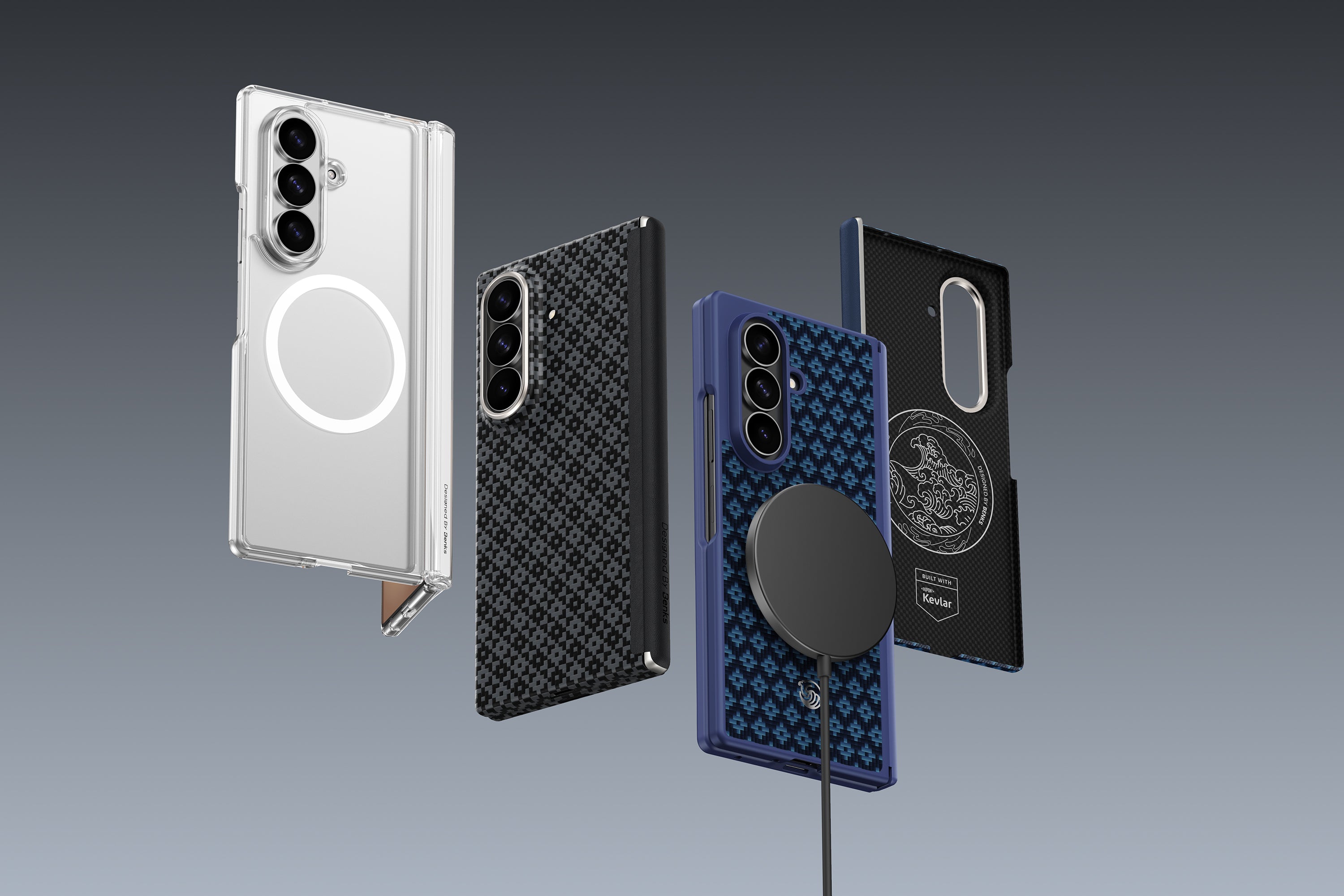

Article: Will Adhesive iPhone Duo Cases Damage Your Phone? What to Know
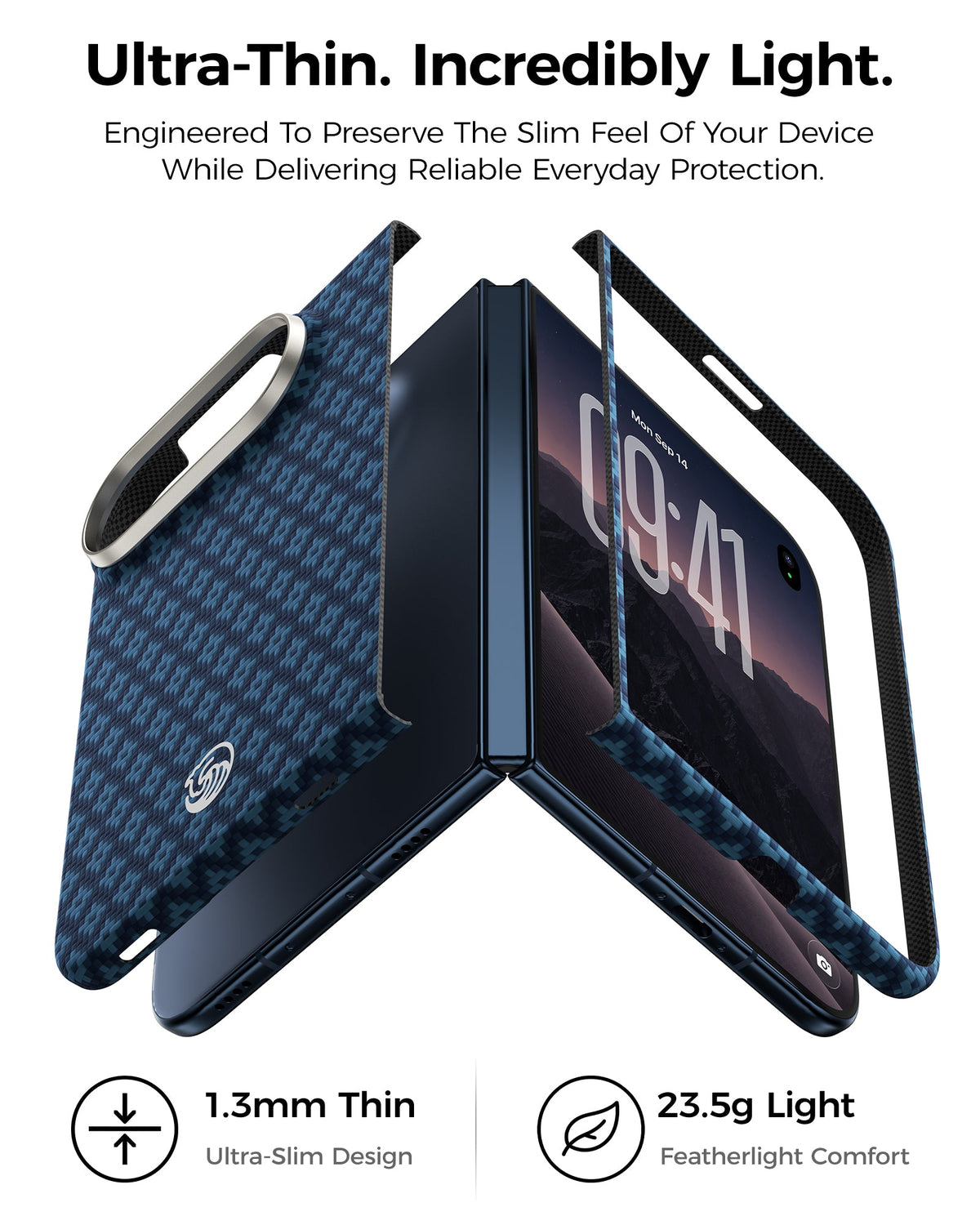
Will Adhesive iPhone Duo Cases Damage Your Phone? What to Know
You have just unboxed a brand-new iPhone Duo. Before you have even finished setting it up, you open the protective case and spot something unexpected: adhesive strips on the front frame. On a premium foldable, that can feel like an alarming instruction. Are you really supposed to stick a case to your new phone? Will it leave glue behind? Could taking it off scratch the frame or damage the finish? These are reasonable questions, especially when you want to protect your device from day one rather than create another problem. The reassuring answer is not that every adhesive is risk-free. It is that adhesive-assisted case designs have a practical purpose, and the way you install and remove them matters just as much as the strip itself.
This guide looks at the actual concerns—residue, surface marks, and removal—rather than simply telling you to trust the adhesive. We will also share what Benks has learned from years of making accessories for Samsung foldable phones, and what shoppers should check before choosing a case for iPhone Duo.
Why Does an iPhone Duo Case Need Adhesive Strips?
A foldable phone presents a challenge that ordinary slab phones do not. Its front-facing outer display sits close to a narrow perimeter, while the two halves of the device must still open and close freely. A slim front frame has less room to wrap around the edges with a deep mechanical lip. If that frame is made thicker just to grip more tightly, it may defeat the purpose of buying a slim case in the first place.
That is why some manufacturers use narrow adhesive strips as an attachment aid. The strips help the front-frame component stay aligned during everyday handling. They are not meant to glue the phone permanently into its case, and they do not replace the need for accurate shaping, correct clearance, and a properly designed frame.
The key distinction is between an adhesive-assisted case and an adhesive-only product. A well-designed case should rely on its geometry and intended attachment system working together. Whether a specific strip is easy to remove or reusable depends on the actual adhesive and the maker's instructions; there is no single rule for every foldable case.
For a deeper explanation of the structural reasons, see our earlier article, Why Do iPhone Duo Cases Need Adhesive Strips?. Here, we are focusing on what most new owners ask next: can those strips hurt the phone?

Will Adhesive Strips Damage Your iPhone Duo?
It helps to separate three concerns that often get bundled together: sticky residue, scratches during removal, and changes to the phone's surface finish. Each has different causes, and none can be answered responsibly with a blanket “never.”
1. Can adhesive strips leave sticky residue?
Adhesive residue is possible with some tapes and under some conditions. The adhesive formulation, how long it stays attached, environmental exposure, and the way it is removed can all affect what happens. A strip designed for an accessory is not necessarily the same as a household tape, so it is misleading to assume every adhesive will behave alike.
If you see residue after removing any case, do not immediately scrape it away with a fingernail or tool. First consult the case maker's cleaning instructions and the phone manufacturer's care guidance. Avoid improvising with strong solvents, abrasive pads, or excessive heat. Those can introduce risks unrelated to the adhesive itself.
2. Can removing an adhesive case scratch the frame?
A scratch is a mechanical problem, not necessarily a chemical one. Grit caught between a case and a phone can rub against the surface. Pulling a tightly fitted frame off at an awkward angle can create concentrated pressure. Using a metal pry tool is another avoidable source of damage. Even a case without adhesive can cause marks if dirt gets trapped or a rigid edge is forced across the finish.
This is why careful removal matters. Follow the manufacturer's recommended release points, work gradually, and stop if a part resists rather than twisting it off. The goal is to avoid unnecessary friction and bending, especially around narrow foldable-phone edges.
3. Could adhesive affect the phone's finish?
Surface finishes vary, and long-term compatibility depends on the actual materials involved. Without specific test data for a given phone, adhesive, and exposure period, nobody should promise that a strip is “100% safe” under all conditions. Likewise, seeing adhesive in the package is not evidence that it will damage the finish. A sensible buying decision looks for a purpose-designed attachment system, clear installation guidance, and a seller that can explain how removal should work.
Bottom line: adhesive strips are not automatically a warning sign, but they are a reason to pay attention to the instructions. Proper application, clean contact surfaces, and patient removal are more useful than assuming either perfect safety or inevitable damage.

A Note From Benks: What Our Foldable Case Experience Tells Us
At Benks, we've spent years developing protective accessories for Samsung foldable phones. We understand why someone might hesitate before putting adhesive strips near a brand-new foldable, especially when the device is expensive and the exterior finish matters to its owner.
“Based on the after-sales feedback we've received from our foldable case customers, adhesive residue has not been a reported issue. Adhesive strips help keep slim case components in place without adding unnecessary bulk. Even so, correct installation and careful removal remain important. Our recommendation is to follow the product instructions, avoid unnecessary repeated removal and reapplication, and never force the frame off the device.” — Benks
This statement describes our customer-service experience with foldable accessories, including our longstanding Samsung foldable case work. It is not a claim that every adhesive strip has passed every possible laboratory condition, nor does it guarantee that an iPhone Duo can never show residue or marks. The distinction matters: customer feedback is useful real-world context, while long-term outcomes for a new device and specific accessory combination still depend on use and installation.
We believe buyers deserve that distinction. It is more helpful to explain why a slim frame uses adhesive, what customers have told us, and what precautions to take than to dismiss the question outright. The purpose of a protective accessory is to make the phone easier to live with—not to leave you wondering how to take it off.
Adhesive-Assisted vs. Snap-On Cases: Which Is Safer?
If the idea of adhesive still makes you uncomfortable, you may be tempted to look for a snap-on alternative. That can be a reasonable preference, but “no adhesive” does not automatically mean “no risk.” Both systems involve trade-offs, especially on a device with slim front edges.
| What to compare | Adhesive-assisted front frame | Snap-on or clip-style frame |
|---|---|---|
| How it stays in place | Uses fitted geometry plus adhesive support | Relies on mechanical grip or clips |
| Thin-profile potential | Can support a narrow, slim front frame | Depends on clip depth and edge design |
| Installation | Requires clean surfaces and careful alignment | Requires correct positioning and gentle pressure |
| Removal considerations | Adhesive release, possible residue, frame stress | Clip release, friction, possible edge stress |
| Frequent case changes | May require replacement strips | May be easier, depending on the design |
Neither column is a safety certification. A badly aligned snap-on frame can rub against the phone, while a poorly installed adhesive frame may lift at a corner. The best design is the one that fits correctly, respects the hinge's movement, and comes with clear handling instructions.
Also be careful when comparing premium aramid-fiber bundles. Some offer a front case with glass; others package a separate front frame and outer-screen protector. Both can address front-screen coverage. Check what is integrated, what is replaceable, and how each piece attaches instead of assuming that only one style protects the front.
How to Install an iPhone Duo Case Without Unnecessary Risk
The best time to prevent a problem is before you remove the adhesive backing. Installation should feel deliberate, not rushed. Use the instructions supplied with your particular case as the primary guide; the steps below are general precautions rather than a replacement for product-specific directions.
Before installing
Start with clean hands and a clean, dry work area. Inspect the case's inner surfaces for dust or packaging debris. Check the phone's exterior for grit and follow the phone maker's approved cleaning guidance. If your case includes a cover-screen protector, read the recommended installation order first. Some front frames and protectors sit close enough together that applying them in the wrong sequence can cause lifting or misalignment.
Before peeling off any adhesive liner, gently position the components as instructed to understand the fit. Confirm that you have the correct part for the correct side and that button, port, and hinge clearances look right. Do not stick the frame down just to see whether it fits.
During installation
Remove the specified liners only when you are ready to attach the component. Align carefully before applying the pressure recommended by the manufacturer. Avoid stretching or bending a narrow frame to force it into position. After installation, check that the phone opens and closes normally, that the cover display remains usable, and that the front frame is not lifting at an edge.
If the case or screen protector appears misaligned, consult the maker's instructions before peeling it back up. Repeatedly lifting and reapplying an adhesive strip can reduce its ability to hold as intended.
When removing the case
Do not yank the front frame away from the phone. Start from the recommended removal point and release it gradually, following any model-specific instructions. Avoid metal prying tools, sharp objects, unapproved solvents, and high heat. If the frame feels unusually difficult to remove, stop and contact the case manufacturer for guidance rather than increasing force.
Once the case is off, inspect both the phone and the case. If there is any residue, use only a cleaning method appropriate for the device's finish and the case manufacturer's instructions. Before reinstalling, check whether fresh adhesive strips are required. An old strip that no longer holds well is not something to fix by adding random household tape.

What Matters More Than the Presence of Adhesive?
When buying a foldable case, look beyond the single question of whether it uses tape. Does the front frame fit the device's shape? Are the camera and button openings accurate? Can you use the cover display's edge gestures? Is the outer-screen protector compatible with the frame? Can the phone open and close freely? Those are practical details that shape daily use.
The inner flexible display needs particular care. A cover-screen glass protector is for the outer display; it should not be treated as permission to apply ordinary rigid glass to the folding inner screen. Our inner vs. outer screen protector guide explains the distinction. If you are still deciding on case construction and material, the iPhone Duo case buying guide compares Kevlar®, other aramid fibers, and different front-cover setups.
A slim case can be a good match for an expensive foldable, but it should not be marketed as an indestructible shield. Thin shells can offer everyday surface coverage without guaranteeing protection from every drop, hinge impact, or crushing force. A sensible protection setup matches the risks you actually care about.
Our Pick: Benks ArmorGrid Air Grand Combo for iPhone Duo
If you want a coordinated slim setup rather than shopping for several separate accessories, consider the Benks ArmorGrid Air Obsidian Black Grand Combo. It combines a slim rear shell built with Kevlar®, a matching front frame, and an outer-screen protector. The bundle is designed for shoppers who value the woven premium finish and want front and rear components chosen together.

Its front-frame attachment deserves the same careful installation as any other adhesive-assisted design. We do not claim that using Benks makes every possible installation or removal issue impossible. Instead, we bring our foldable-accessory experience to a product that balances thinness with coordinated exterior coverage. The current ArmorGrid Air Grand Combo does not include a hinge cover; a hinge-protection version is planned. If direct hinge coverage is your first priority, review that trade-off before ordering.
You can also read Does iPhone Duo Need a Case? for a broader look at whether to use a case at all.

Final Verdict: Should Adhesive Strips Stop You From Buying a Case?
No—not by themselves. An adhesive strip is an attachment choice, not proof that a case will harm your iPhone Duo. At the same time, adhesive is not magic: the strip, phone finish, installation technique, and removal method all matter. If you are anxious about residue, ask how the adhesive is designed to be removed and what after-sales guidance the seller offers. If you change cases frequently, consider whether replacement strips are available and whether the attachment system fits your habits.
Our experience with Samsung foldable accessories gives Benks useful perspective, and our after-sales feedback has not identified adhesive residue as a reported issue. We still recommend careful handling rather than absolute promises. The real question isn't simply whether a case uses adhesive; it's whether the case fits properly and you know how to remove it safely.
Ready to protect your iPhone Duo from day one? The Benks Kevlar® Grand Combo is available now. Check the product page for current stock and shipping details before ordering.
Frequently Asked Questions
Do iPhone Duo case adhesive strips leave residue?
Residue is possible with some adhesives, but it is not inevitable. Benks has not received adhesive-residue reports in the foldable case after-sales feedback described above. That customer-service experience is not a guarantee for every device or condition. Follow the case's removal instructions.
Can removing an adhesive case scratch an iPhone Duo?
Scratches may occur if grit is trapped, a rigid edge rubs against the finish, or the case is forced off. Follow the specified removal method and avoid sharp tools or aggressive pulling.
Can you reuse iPhone Duo case adhesive strips?
Do not assume so. Reuse depends on the strip and product design. Repeated removal may weaken adhesion, and some cases require replacement strips. Check the manufacturer’s guidance before reinstalling.
Are adhesive cases safe for long-term use?
A purpose-designed adhesive-assisted case can be a practical way to secure a slim front frame, but long-term results depend on materials, conditions, fit, and handling. Look for clear installation and removal instructions rather than blanket zero-risk claims.


Leave a comment
This site is protected by hCaptcha and the hCaptcha Privacy Policy and Terms of Service apply.