
Artículo: iPhone Duo 3-Piece Protection Set: A Practical Case Buying Guide
iPhone Duo 3-Piece Protection Set: A Practical Case Buying Guide
Protecting a foldable phone isn't as simple as snapping on a rear shell. From outer screen scratches to delicate frame scuffs, conventional cases often leave critical areas exposed or add unnecessary weight. For the ultimate iPhone Duo case solution, our 3-piece protection set delivers targeted defense exactly where your phone needs it most.
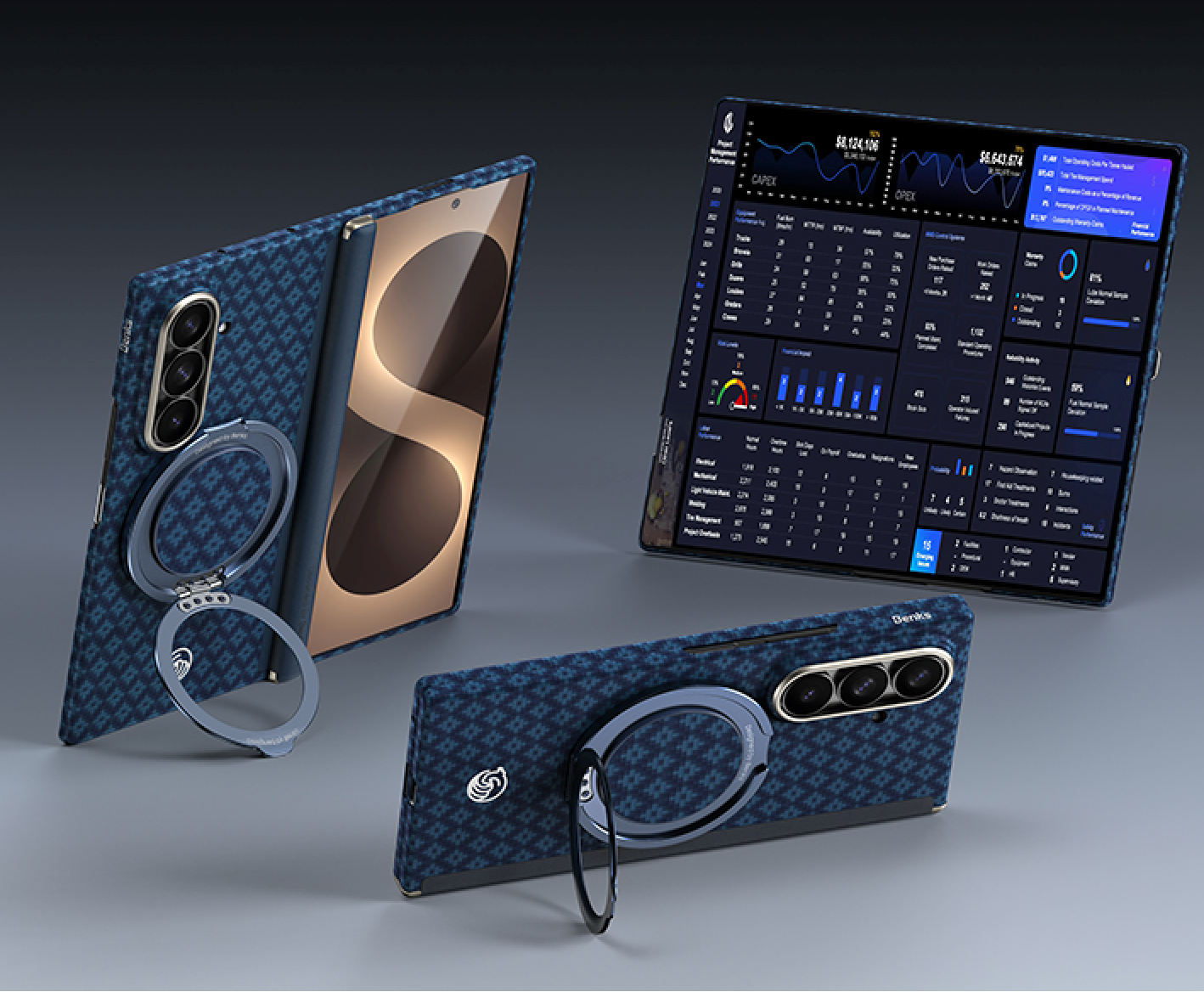
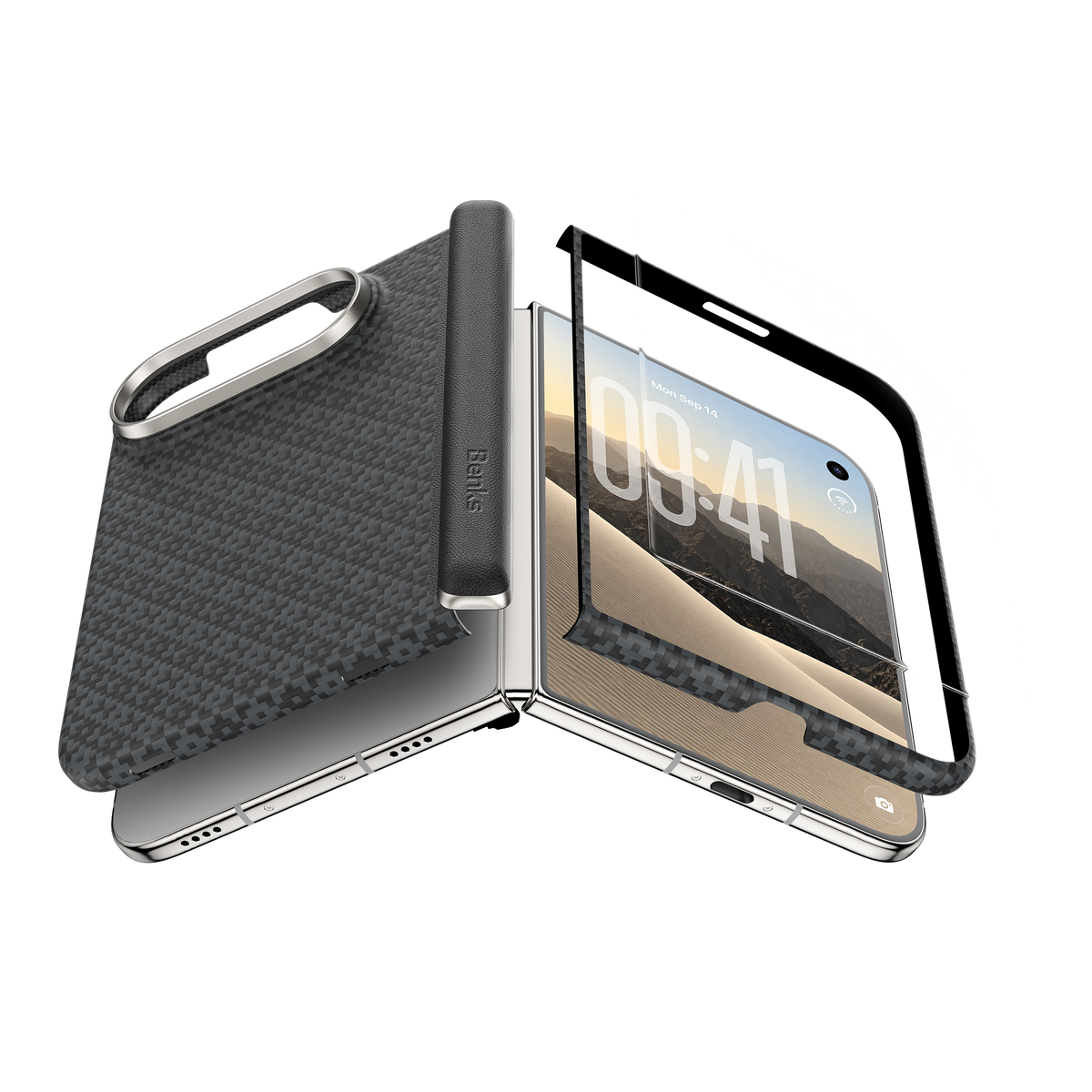
The Benks configuration combines a front frame, a Kevlar® Aramid Fiber rear shell, and an HD outer-screen protector. Each component serves a distinct purpose—delivering essential everyday coverage while maintaining a slim, lightweight profile.
Explore Benks iPhone Duo 3-Piece Protection Options →

Why a Foldable Needs a Different Case Strategy
An iPhone Duo is handled differently from a conventional phone. You may glance at the outer display while commuting, unfold the device at a desk, and close it again before slipping it into a bag. Each action exposes different surfaces to contact. The outer display may brush against items in a pocket, the front perimeter can touch a table, and the rear shell takes much of the wear associated with daily handling.
A traditional single-piece case is not automatically unsuitable, but its shape may be less convenient for a folding device. A thick enclosure can also change the feel of a phone whose appeal includes its folding form factor. Instead of asking only how much material surrounds the phone, it helps to ask where coverage is useful and how that coverage affects everyday comfort.
That is the thinking behind a three-piece configuration. A front frame, rear case, and outer-screen protector can be designed for their respective surfaces. They are separate components, but their fit should be considered together. For a buyer who wants an iPhone Duo case that stays relatively slim, this coordinated approach is worth exploring.
What Is Included in a 3-Piece Protection Set?
The Benks iPhone Duo three-piece configuration discussed here combines a front frame, a Kevlar Aramid Fiber rear shell, and an outer-screen protector. The parts do different jobs, so understanding each one is more useful than relying on a broad claim such as “complete protection.”

The front frame follows the perimeter of the outer display. The rear shell covers the back of the device and contributes much of the case's feel in the hand. The screen protector adds a separate layer over the outer display surface. Together, they provide coverage in several areas that see frequent contact during daily use.
This is not the same as covering every surface. Depending on the version, the hinge can remain exposed, and no case or protector eliminates the possibility of scratches or impact damage. The appeal of the three-piece format is targeted coverage and a coordinated fit rather than an unrealistic promise of zero weak spots.
Before ordering, check the package contents on the specific product page. Names, finishes, and configurations can vary, and an accessory shown in a promotional photo is not necessarily included in every SKU.
Piece One: The Front Frame and Everyday Edge Contact
The front perimeter of a foldable is a small area with an outsized influence on handling. It sits near the outer display, is frequently touched, and needs to coexist with the phone's folding movement. A front frame gives this area a dedicated component rather than treating it as an extension of a thick rear bumper.
The practical benefit is an added layer around the display perimeter. For example, when a phone is placed on a desk or picked up repeatedly, the frame may reduce direct contact between certain edges and the surface below. Its effectiveness depends on the shape and fit of the actual component, so it should not be described as preventing cracked corners or display shock in every situation.
A good buying question is whether the frame fits cleanly alongside the outer-screen protector. If the components are poorly matched, their edges may interfere with one another. Choosing a coordinated set can reduce that compatibility guesswork, although installation still matters.
The front frame also contributes to total weight. That may sound obvious, but it is easy to overlook when a product advertises only the rear shell's weight. Compare the complete setup you intend to carry, not just the lightest individual piece.
Piece Two: Why Kevlar Aramid Fiber Matters in the Rear Case
The rear case is the component you are most likely to feel throughout the day. It rests against your hand while reading, sits in a pocket while you walk, and can make a foldable feel noticeably thicker if its design is bulky. This makes material selection and case geometry especially important.
Kevlar Aramid Fiber is valued for its strength-to-weight characteristics. In a phone case, it can be used as part of a thin composite construction, helping designers create a slim exterior shell without relying on the same geometry as some thicker conventional cases. That is a material advantage worth explaining, but it is not a substitute for product-specific impact testing.
The woven finish is another reason shoppers consider this material. It creates a distinctive visual texture and a different tactile experience from smooth plastic. Actual grip and fingerprint visibility can vary by finish and use, so neither should be promised as universal properties.
For a concrete example, the Benks ArmorGrid Air Obsidian Black configuration has a documented rear-shell weight of 18.8g and a front-frame weight of 2.5g. Those two components total 21.3g, excluding the screen protector and other accessories. The rear shell is approximately 1.2mm thick. Another configuration has a 20.8g rear shell and a 2.9g front frame, totaling 23.7g for those two components.

These numbers help illustrate why component-level specifications matter. They do not establish that Benks is the lightest case on the market, and they should not be applied indiscriminately to every color or hinge-protection version. Always confirm the measurements for the version you are considering.
Piece Three: The HD Screen Protector for the Outer Display
The outer display is used even when a foldable remains closed. Quick messages, navigation checks, notifications, and everyday browsing all bring fingers and other objects close to its surface. A screen protector adds a replaceable layer over that frequently used area.
An HD screen protector is intended to maintain a clear viewing experience while providing surface coverage. Depending on its construction and installation, it may help reduce direct contact with some objects that could otherwise mark the display. It cannot guarantee freedom from scratches, cracks, or other damage.
Fit matters here just as much as material. A protector that extends into the front frame's intended space may lift at the edges or feel awkward. A protector that is not aligned properly may also detract from the visual experience. The advantage of purchasing a coordinated set is that the components are intended to be considered together.
Check whether the product listing identifies the protector as tempered glass and whether it is specifically designed for the outer display. Do not assume the inner folding display is included. That distinction is especially important for foldable phones, where the two screens have different physical requirements.
3-Piece Set vs. Buying Accessories Separately
Buying each component separately can work well if you already know the exact fit requirements. You may prefer a particular screen protector or want to keep an existing rear case. But for someone buying their first foldable accessories, combining items from different manufacturers introduces more compatibility questions.
Will the front frame sit neatly beside the screen protector? Does the rear shell leave the folding mechanism room to move? Are you comparing the weight of one shell with the weight of an entire kit? A three-piece set can simplify these decisions by bringing the key components together.
It can also make the purchase more straightforward. Rather than browsing multiple categories and checking each item's dimensions, you can evaluate a single configuration and its documented contents. That convenience is a meaningful benefit even without claiming that a bundle is automatically cheaper or more protective.
There are trade-offs. A bundled set may not offer the exact screen protector or frame style every buyer prefers. If customization is important, check available variants before deciding. The most suitable choice depends on your preferences, not simply on the number of pieces in the box.
Will It Work with MagSafe and Wireless Charging?
Magnetic accessory compatibility is an important question, especially if you use a car mount, desk stand, or magnetic battery. It is also easy for marketing copy to blur several different features together.
A case can include magnets intended to help align certain accessories, but that does not automatically verify compatibility with every MagSafe accessory or guarantee a particular holding force. Charger design, alignment, case construction, and the phone itself can affect the experience.
Wireless charging is a separate consideration. The presence of magnets does not by itself confirm a particular charging standard or speed. Case thickness and component placement may also influence performance. For that reason, it is more useful to check the exact SKU's stated compatibility than to assume all versions behave identically.
Before purchasing, look for explicit information about supported magnetic accessories and wireless charging. If you regularly use a specific charger or mount, compare its requirements with the product listing. This is a more reliable way to reduce uncertainty than a blanket promise of “full compatibility.”
Do You Need a Hinge-Protection Version?
A three-piece set is not necessarily a hinge-protection set. In an open-hinge configuration, the folding spine remains exposed while the front, rear, and outer display receive their respective components. Some users prefer this because it avoids an additional moving cover around the hinge.
Others place a higher priority on shielding the exterior of the folding spine from certain kinds of contact. A dedicated hinge-protection design may be a better fit for that preference, although it can introduce extra structure, thickness, and cleaning considerations.
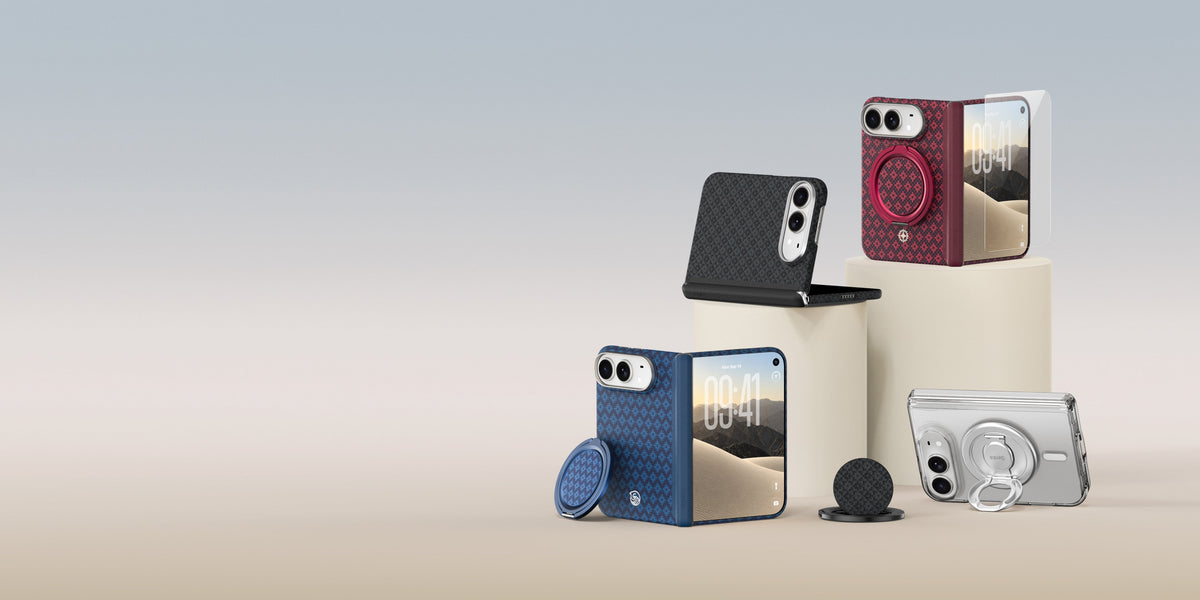
Benks offers a separate ArmorGrid Air hinge-protection configuration with an integrated magnetic sliding cover. It should be evaluated as its own product rather than assumed to have the same weight or dimensions as the open-hinge version.
Neither approach is universally safer. Your decision can depend on how you carry the phone, the environments in which you use it, and how much added structure you are comfortable with. If you value a minimal carry, compare the open-hinge configuration first. If exterior hinge coverage matters more, examine the dedicated version.
Explore the Benks iPhone Duo Hinge-Protection Version →

How to Choose the Right Benks iPhone Duo Case
Start with your everyday routine. If your phone spends most of its time in your hand or pocket, thickness and total weight may be especially noticeable. If you frequently place it on shared work surfaces or carry it with other objects, the coverage of the front perimeter and outer display may matter more to you.
Next, compare specifications carefully. A number such as 18.8g can be useful, but only when you know that it describes the rear shell rather than the entire three-piece set. Add the frame and protector when comparing complete configurations. Check thickness at the specified component, too; rear-shell thickness does not describe the dimensions of a hinge cover.
Then consider material. Kevlar Aramid Fiber offers an appealing option for buyers interested in a slim composite shell and woven finish. However, a material label alone cannot tell you how a particular case will perform in a drop. Seek specific evidence for any impact claims that matter to your decision.
Finally, verify what is included and where you will buy it. Confirm the phone model, color, package contents, magnetic accessory compatibility, and hinge configuration. Those small checks can prevent a disappointing mismatch after delivery.
For shoppers who prioritize low added weight and a coordinated setup, the Benks ArmorGrid Air three-piece configuration is a sensible option to compare. For those who want additional exterior hinge coverage, the dedicated hinge-protection version is another option worth reviewing.
Frequently Asked Questions
Is a three-piece set better than a one-piece case?
Not automatically. A three-piece configuration provides separate components for the front perimeter, rear exterior, and outer display. A one-piece design may suit different priorities. Compare fit, weight, coverage, and how you use the device.
Does the Benks three-piece set provide 360-degree protection?
It provides coordinated coverage in several areas, but it should not be described as protection against every possible impact. The hinge may remain exposed in the open-hinge configuration.
Is the 18.8g specification for the entire set?
No. It refers to the Obsidian Black rear shell. The front frame weighs 2.5g, and the screen protector adds further weight.
Does Kevlar Aramid Fiber guarantee drop protection?
No. Material properties alone do not establish the drop performance of a finished case. Construction and product-specific testing are important.
Does the set include an inner-screen protector?
The three-piece configuration described here includes an outer-screen protector. Check the exact listing for package contents; do not assume an inner folding-screen protector is included.
Is the case MagSafe compatible?
Check the specific product version's compatibility details. Magnetic alignment and wireless charging support should not be assumed from the case material or bundle name alone.
Final Thoughts: Coverage That Fits Your Daily Routine
Choosing an iPhone Duo case is a balance between coverage, comfort, and the way you use a foldable. A three-piece set makes that decision easier to understand by separating the job into a front frame, a Kevlar Aramid Fiber rear case, and an outer-screen protector.
For shoppers who want a slim feel, the material and component weights are useful starting points. For shoppers who worry about the exposed folding spine, the hinge-protection configuration deserves a separate look. Neither choice needs exaggerated claims to make sense.
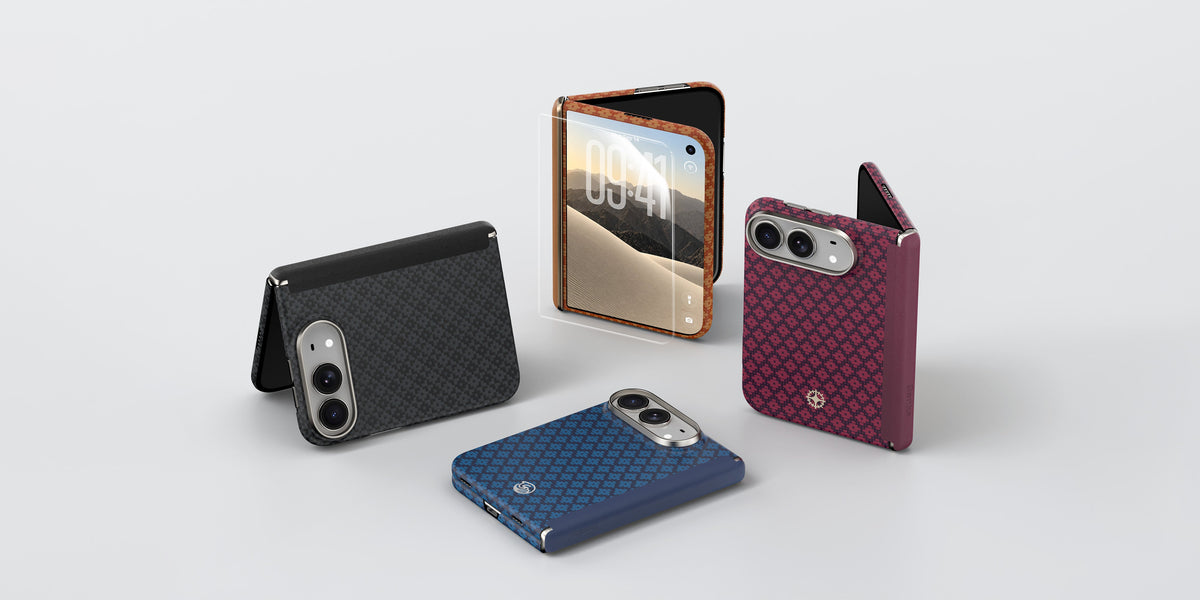
Ready to compare the available configurations? Explore the Benks iPhone Duo collection, check the details of the exact set you prefer, and choose the combination of fit, coverage, and weight that suits your daily carry.


Dejar un comentario
Este sitio está protegido por hCaptcha y se aplican la Política de privacidad de hCaptcha y los Términos del servicio.