
iPhone 18 Release Date Strategy Explained: What Apple's Staggered Launch Means for You
Apple has spent fifteen years following the same iPhone launch playbook: announce the full lineup in September, put everything on sale within the same week, and let the market sort itself out. iPhone 12, 13, 14, 15, 16, 17 — the pattern held without exception.
The iPhone 18 generation breaks it.
Instead of introducing four new iPhones in September 2026, the iPhone 18 lineup will come out across fall 2026 and spring 2027. The Pro and Fold models arrive at Apple's September event. The standard iPhone 18, iPhone 18e, and a second-generation iPhone Air slip to spring 2027. This unprecedented gap between standard iPhone releases signals a deliberate shift in Apple's approach to its product lineup.
For buyers, this creates a real decision: pay premium prices in the fall, or wait months longer than expected for an affordable option. Understanding why Apple made this move — and what it means for each type of buyer — is the starting point for making the right call.
Wave 1: iPhone 18 Pro, Pro Max & iPhone Fold — All Landing Together in September
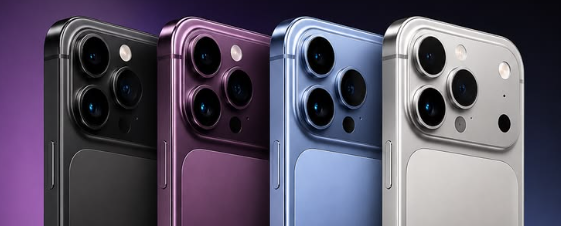
Apple's fall 2026 iPhone launch will include the 6.3-inch iPhone 18 Pro, the 6.9-inch iPhone 18 Pro Max, and the new foldable iPhone that will be around 5.5 inches when closed and approximately 7.8 inches when open.
Three devices. One event. The most expensive iPhone lineup Apple has ever put on stage simultaneously.
Why the Pro Models Come First
The Pro prioritization reflects the economics of leading-edge chip manufacturing. The A20 Pro — built on TSMC's 2nm process — is the most advanced chip Apple has ever shipped. Component and memory shortages are one factor, with Apple potentially prioritizing limited components for higher-margin Pro models. When yields are constrained, the units that go to the most expensive phones generate the most revenue per chip. It's not sentiment — it's production math.
There's also a thermal and mechanical dimension. The iPhone 18 Pro Max is expected to carry a slightly larger battery than its predecessor — potentially making it marginally thicker — paired with Apple's new variable aperture camera system and the same titanium chassis that defined the 17 Pro. These components demand tighter manufacturing tolerances and longer validation windows. They're ready in September. The standard iPhone 18's components, built to a different cost structure, are ready in spring.
For Pro Max buyers, the practical implication is that September is your window. You're paying $1,199 or more — likely more, given the memory price pressures that have already pushed Mac and iPad prices up 15–20 percent this year. The most consistent current reporting places the iPhone 18 Pro Max release date in September 2026. Pre-orders will open the Friday after the September 9 keynote.
Why the iPhone Fold Shares the Stage

The iPhone Fold's placement alongside the Pro models in September isn't accidental. Apple is using its first foldable to anchor the premium end of the fall lineup — a device that starts above $2,000 doesn't compete with the Pro Max on price. It expands the ceiling.
We'll get Apple's three most expensive iPhones in the fall: iPhone 18 Pro, the iPhone 18 Pro Max, and the iPhone Fold, which could be upwards of $2,000. Announcing them together reinforces a narrative: Apple's fall 2026 lineup is for users who want the best, regardless of form factor. The Pro Max is the traditional premium. The Fold is the new frontier.
This also gives Apple a dual news cycle from one event. The iPhone 18 Pro coverage writes itself — camera, chip, battery. The iPhone Fold coverage runs for weeks as reviewers evaluate whether Apple's first foldable delivers on the hype. Both stories stay in market simultaneously through October and November.
💡 Related Reading: iPhone Fold vs Galaxy Z Fold 8: How the Two Design Philosophies Compare
Day-One Protection for the Fall Wave
Buyers in this wave are spending $1,199 to $2,000+ on day one. That price point has implications for how you think about protection.
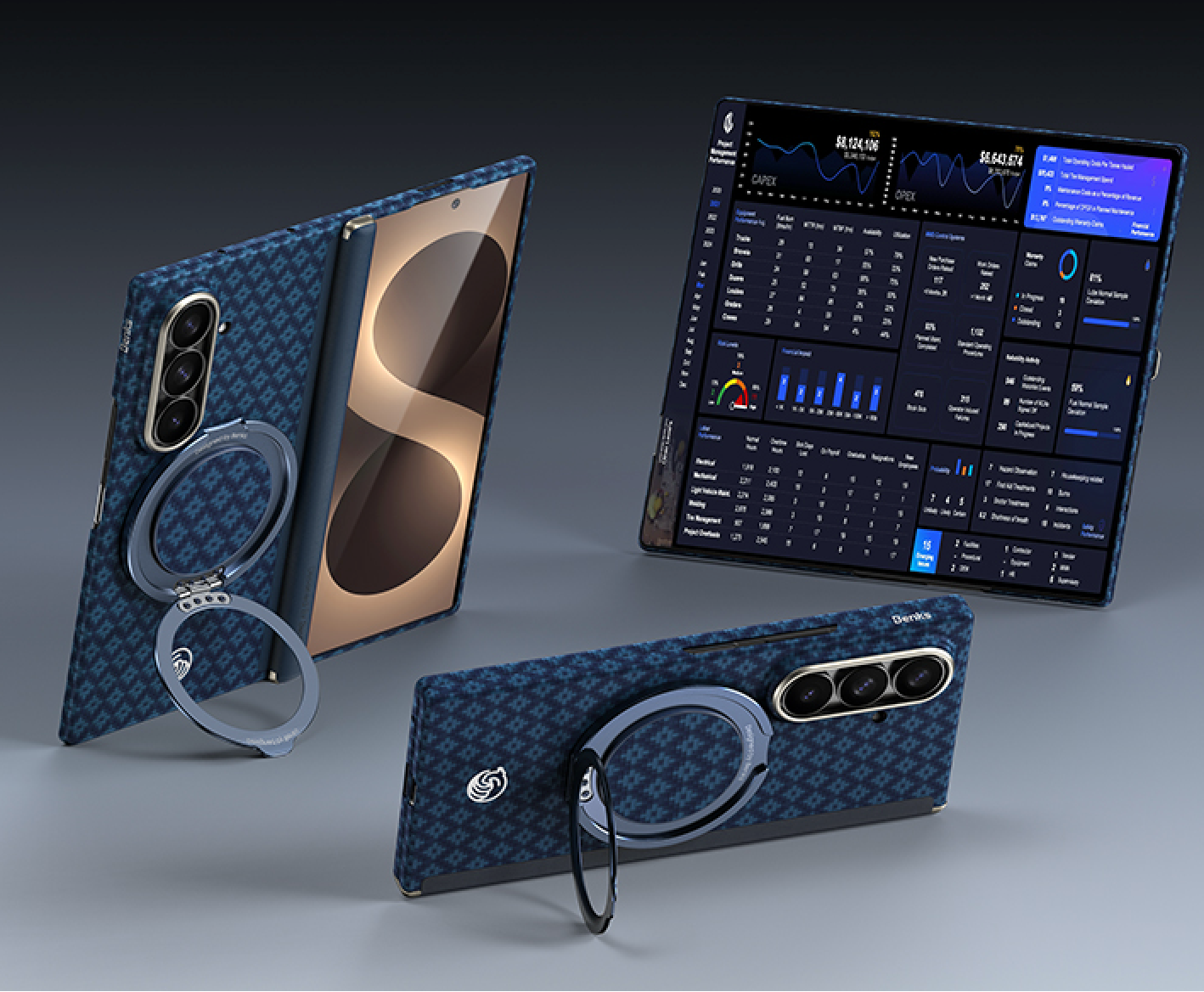
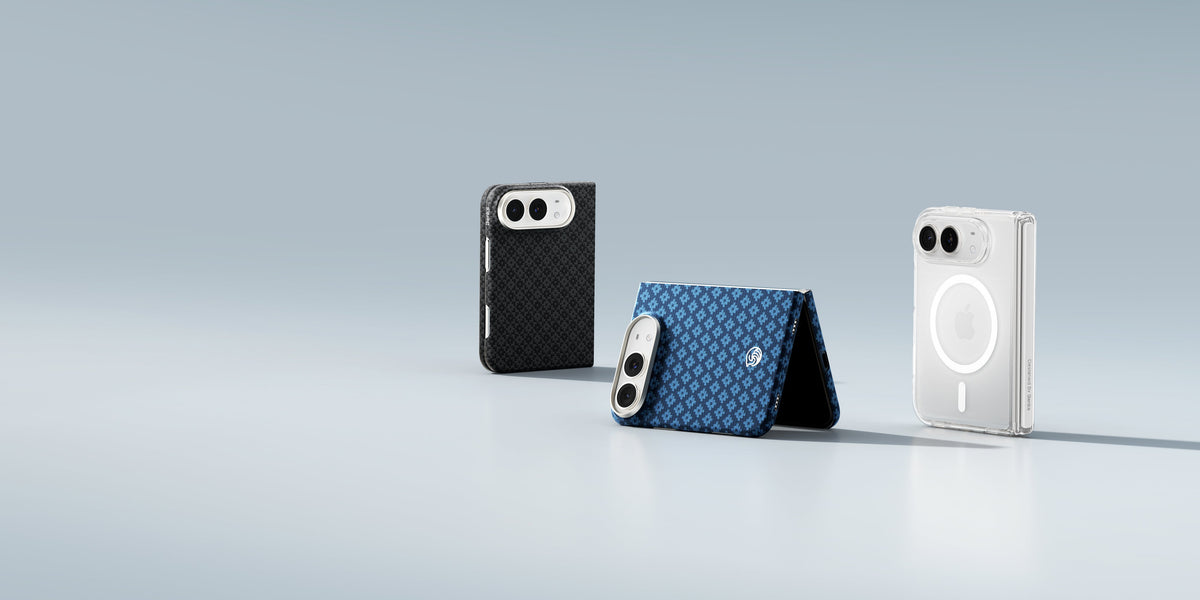
A thick TPU case on an iPhone 18 Pro Max undoes the engineering that makes it worth buying — the titanium frame, the precise camera module, the weight balance. The same logic applies harder to the iPhone Fold: a foldable phone needs a case that covers the hinge without restricting fold range, adds negligible weight to a device that's already heavier than a flat phone, and doesn't deform around the hinge geometry over 18 months of daily use.
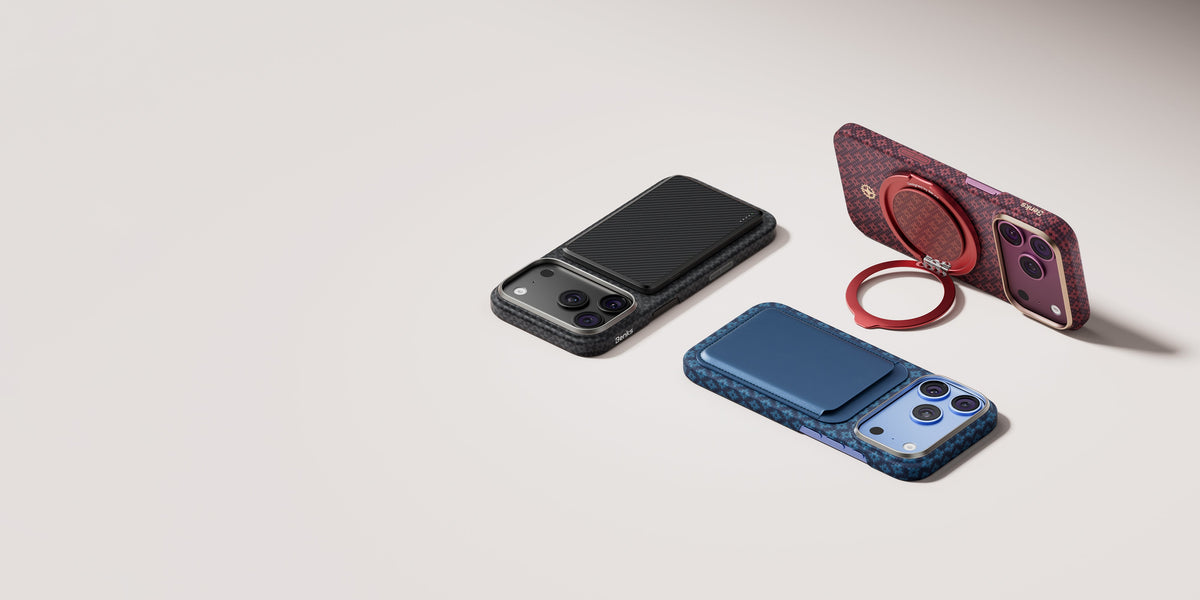
600D DuPont™ Kevlar® achieves all three. At 1.0mm wall thickness, it provides structural protection without the bulk of soft polymers. It maintains its shape around precision cutouts over time. And it adds grams, not the tens of grams that change how a premium phone feels in the hand.
💡 Related Reading: Why 600D Kevlar® Is the Right Material for Flagship iPhone Protection
🔗 Explore Benks day-one protection for iPhone 18 Pro Max — Kevlar® cases built for the new generation
Wave 2: Standard iPhone 18 & iPhone 18e — The Spring 2027 Shift
While the Pro and Pro Max models will launch as planned in September 2026, the standard iPhone 18, and possibly the rumored iPhone Air, will be delayed until March or April 2027.
This is the part of the strategy that affects the most buyers — and the part that's gotten the least attention in launch coverage.
Why Apple Is Doing This
This staggered release strategy allows Apple to focus its September 2026 keynote on premium offerings. By doing so, Apple positions its Pro models as the centerpiece for the holiday shopping season, reinforcing their premium status and driving sales during this critical period.
The holiday quarter is Apple's highest-revenue period by a significant margin. Putting three premium iPhones — Pro, Pro Max, Fold — in the market without a $799 alternative forces anyone who wants a new iPhone this fall to choose from the high end. It's a deliberate removal of the budget escape valve during the most lucrative selling window of the year.
A staggered calendar solves both problems. Apple can make the fall event about its most expensive and technologically ambitious devices, then use a separate spring launch to give the more affordable models their own attention. Instead of one September launch where the standard iPhone is always overshadowed by the Pro, the standard gets its own moment in spring — its own keynote, its own review cycle, its own sales window before the next fall generation is announced.
For Apple, this also solves a supply chain problem. iOS 27 beta references reportedly include six unreleased iPhone identifiers, adding further support to the idea of a staggered product strategy. Managing component allocation across six or more SKUs simultaneously in one September crunch is harder than splitting the production runs across two seasons.
What This Means if You're a Standard Model Buyer
The honest answer: if you typically go for the less expensive standard model, you'll have to wait months longer than usual. And if you want the latest and greatest this fall, you're looking at Pro pricing or the foldable, which could run as high as $2,500.
You have three options.
First, wait. Spring 2027 is six to seven months away. If your current iPhone is functional, that's a reasonable timeline. The standard iPhone 18 will almost certainly include the A18 chip (not A20 Pro), ProMotion, and the USB-C improvements that come with each generation. It will be a solid upgrade at a lower price than anything launching in September.
Second, buy iPhone 17 now — potentially before the price increase. Mid-cycle iPhone 17 pricing, if it doesn't rise further, represents strong value for buyers who don't need the Pro camera system or the Fold's form factor.
Third, buy the iPhone 18 Pro. If you were going to upgrade this fall regardless, and the Pro Max's camera improvements and longer software support life align with how you use a phone, the case for stepping up is real.
What This Means for Your Upgrade and Protection Strategy
The staggered launch creates three distinct buyer situations, each with a different protection calculus.
| Buyer Type | Timeline | Protection Priority |
|---|---|---|
| Pro / Pro Max buyer | September 2026 | Day-one Kevlar® case before first drop |
| iPhone Fold buyer | September 2026 | Hinge-covering case — nothing from the standard iPhone ecosystem fits |
| Standard iPhone 18 buyer | Spring 2027 | No urgency — plan over the winter |
For fall buyers, the relevant pattern from previous years is consistent: the highest rate of first-week drops happens in the first 72 hours of ownership. A pre-ordered case that arrives with the phone — or before it — eliminates that window entirely.
The iPhone Fold specifically demands a different protection approach from any flat iPhone. The hinge spine is exposed in every standard back case. The inner display has protection rules that flat phones don't have (no tempered glass, factory film must not be removed). And the added weight of a foldable phone makes a lightweight case more important, not less — a heavy TPU case on an already-heavy foldable is a meaningful ergonomic penalty.
💡 Related Reading: Does the Galaxy Z Fold 8 Need a Case? The Same Logic Applies to iPhone Fold
🔗 Shop Benks MagSafe-compatible cases and accessories for the full iPhone ecosystem
The Bigger Picture: Apple Is Permanently Changing How iPhones Launch
After launching the iPhone 18, iPhone 18e, and iPhone Air 2 in spring 2027, it's not clear if Apple will stick with the spring/fall split launch strategy or revert to its standard timing.
Most analysts don't think Apple reverts. The spring window works too well commercially — spreading revenue across two quarters rather than concentrating it in one, giving each product tier its own promotional cycle, and managing component allocation more efficiently. If fall 2026 and spring 2027 both perform as Apple expects, the split becomes the new normal.
That means the buying decision landscape has permanently changed. The question is no longer "which iPhone do I want this September" — it's "which iPhone do I want, and when does it launch?" For premium buyers, September remains the answer. For everyone else, the calendar just got more complicated.
September 9 is three weeks away. The announcement will set the exact lineup, pricing, and availability for the fall wave. Whatever you're planning to buy, the window to decide opens that day.
FAQ
When does the iPhone 18 Pro Max come out? September 2026. Apple's event is expected on September 9, with pre-orders opening September 11 and the phone shipping September 18 — the same pattern as previous years.
When does the standard iPhone 18 come out? Spring 2027, most likely March or April. Apple is holding the standard iPhone 18, iPhone 18e, and second-generation iPhone Air for a separate spring launch window.
Why is Apple splitting the iPhone 18 launch? Three reasons: prioritizing limited A20 Pro chip supply for high-margin Pro models; clearing the September event of internal competition so each tier gets its own marketing moment; and creating a second major iPhone sales period in spring to spread revenue across two quarters rather than one.
Is iPhone Fold launching at the same time as iPhone 18 Pro? Yes. The iPhone Fold is expected to be announced at the same September 2026 event as the iPhone 18 Pro and Pro Max. All three are fall 2026 devices. The standard iPhone 18 is the model being delayed to spring 2027.
Should I wait for iPhone 18 or buy iPhone 17 now? If you typically buy a standard model: the iPhone 17 at current pricing is a reasonable option if you need a phone this fall. If prices increase further before September, the value proposition improves further for buying now. If you can wait until spring 2027, the standard iPhone 18 will be available then.
What case should I use for iPhone 18 Pro Max? Look for Kevlar® (aramid fiber) construction — 1.0mm wall thickness provides structural protection without the bulk of TPU. MagSafe compatibility is essential for maintaining the wireless charging and accessory ecosystem. Cases built specifically for iPhone 18 Pro Max dimensions will be available immediately after the September 9 announcement.
Published by Remy Guo · August 2026



Dejar un comentario
Este sitio está protegido por hCaptcha y se aplican la Política de privacidad de hCaptcha y los Términos del servicio.