What is the difference between Kevlar and carbon fiber?
To observe aramid fiber at the microscopic level, these particles are linked together through the hard hydrogen bonds. It has the properties of great heat and abrasion resistance, high strength, lightweight durability and etc. Aramid fibers are categorized to two main different types: Meta-aramid and Para-aramid. The prefix refers to where the chemical bonds are located in the whole picture. Meta-aramid fibers are more lined up and the para-aramid fibers are more in a zigzag design. Kevlar belongs to para-aramid fibers.
The Kevlar material is found by two researchers, Stephanie Kwolek and Herbert Blades in the DuPont company. Basically there is no difference between Kevlar and aramid fiber as one is a trademarked name and the other is a synthetic fiber. But with commercialization of Kevlar fiber, people find this material more reliable as it is from DuPont company with a long history. The strength of Kevlar is five times that of steel of the same weight, and the density is only 1/5 of that of steel. Kevlar has been used in applications ranging from space suits to body armor, from auto to commercial aircraft. It is also extended to many consumer products.
Carbon fiber is stronger than steel but lighter. It is composed of crystalline carbon and is not easy to process and take shape. It has many similar characteristics as aramid fiber. But it is electroconductive and it would interference with the signal transmission. That is why we opt out of making protective case with this material.
Benks releases the first phone case built with DuPont™ Kevlar® fiber, MFM certification and MIL-STD-810H at the same time. Now your phone is ready to wear Batman’s suit. In addition to using highly durable Kevlar material, Benks innovated the technology to combine TPU frame with Kevlar® back panel. Most companies fail in providing this solution due to the high defective rate of combining these two materials, but it’s achieved through multiple attempts as a breakthrough in the industry.
The Manufacturing Process
Starting with weaving the fibers into yarns and then it would be soaked in resin for hardened aramid fiber. The aluminum phone dummy will be covered with rubber coating and in between we put the hardened aramid fiber. And then we use equipment to vacuum and then starts to mold in the high temperature container. Now the back panel of a phone case is ready. Laser cutting is used to take care of the details, such as the edges or cameras. We then polish the case and spray the surface for a smoother touch.
댓글 1개
I have 3 Latercase’s. I really like them and the way they look.
I do hope they will make some more colors.
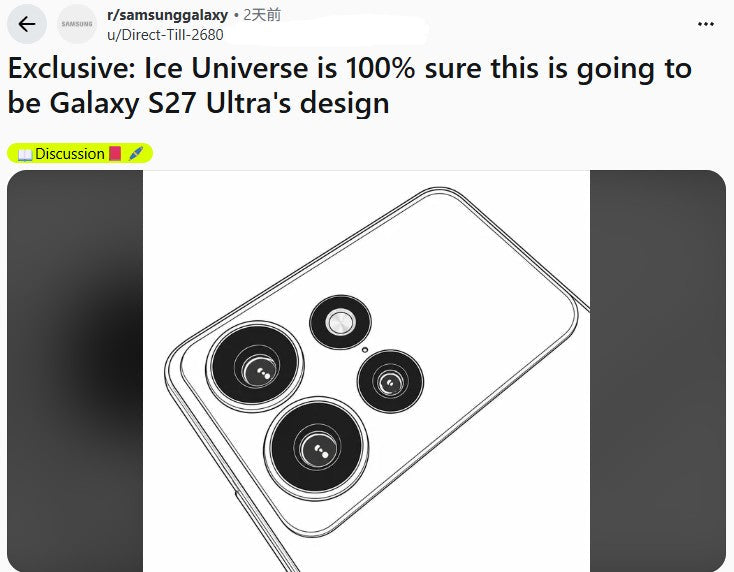
A new Galaxy S27 Ultra design leak from Ice Universe is dividing Samsung fans. Explore the rumored camera redesign, Reddit reactions, and what it means.


 The Kevlar material is found by two researchers, Stephanie Kwolek and Herbert Blades in the DuPont company. Basically there is no difference between Kevlar and aramid fiber as one is a trademarked name and the other is a synthetic fiber. But with commercialization of Kevlar fiber, people find this material more reliable as it is from DuPont company with a long history. The strength of Kevlar is five times that of steel of the same weight, and the density is only 1/5 of that of steel. Kevlar has been used in applications ranging from space suits to body armor, from auto to commercial aircraft. It is also extended to many consumer products.




댓글 1개
I have 3 Latercase’s. I really like them and the way they look.
I do hope they will make some more colors.
Robert Warnacutt
댓글 남기기
이 사이트는 hCaptcha에 의해 보호되며, hCaptcha의 개인 정보 보호 정책 과 서비스 약관 이 적용됩니다.