
게시글: iPhone Duo Accessories to Buy Before Launch — and What to Wait On
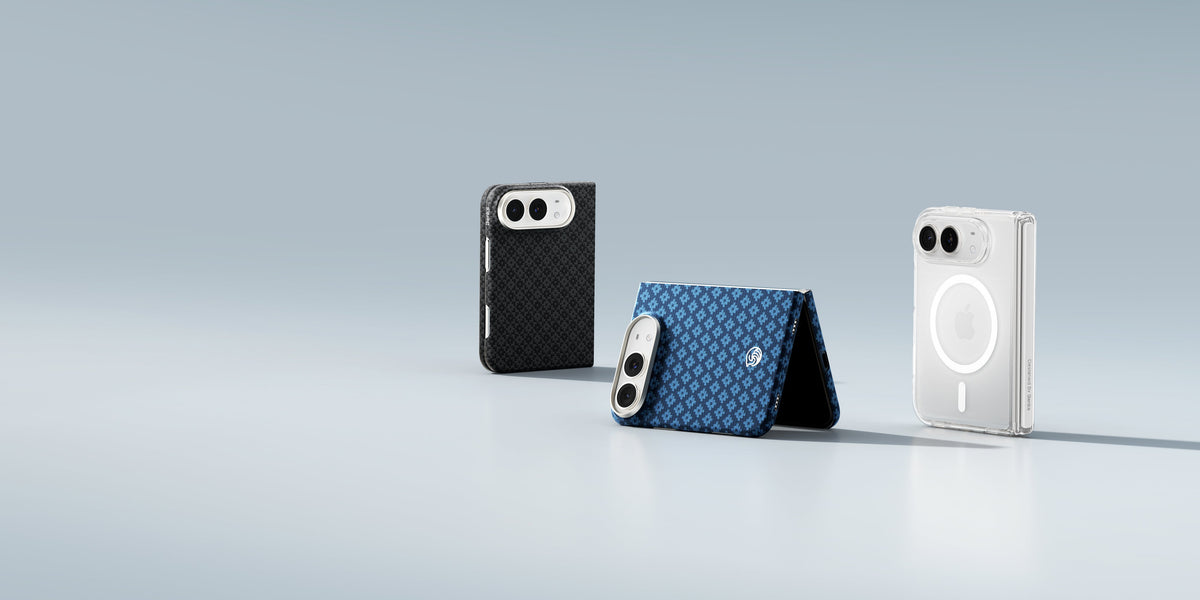
iPhone Duo Accessories to Buy Before Launch — and What to Wait On
Apple has officially introduced iPhone Duo, but there is an important distinction for anyone shopping for accessories right now: the phone is not in customers’ hands yet.
According to Apple, iPhone Duo pre-orders begin October 16, with availability starting October 23. That means this is the preparation window — the time when buyers are choosing cases, screen protection and other accessories before there is meaningful long-term real-world testing.
And iPhone Duo makes that decision more complicated than a normal iPhone. It has an outer display, a folding inner display, two body sections and a hinge. Protecting it is not simply a matter of buying the thickest case you can find.
The better question is: what should you have ready before your iPhone Duo arrives, and what should you wait to judge after launch?

Editor’s note: This guide is based on Apple’s announced specifications and currently listed accessories. It is not a hands-on durability review. Fit, long-term hinge wear and real-world protection should be reassessed once retail iPhone Duo units are widely available.
1. Don’t Buy iPhone Duo Accessories Like It’s a Normal iPhone
A conventional iPhone has a fairly simple protection map: display, corners, frame, back and camera. iPhone Duo adds two things that change the equation — a folding inner display and a mechanical hinge.
| Protection Area | Regular iPhone | iPhone Duo |
|---|---|---|
| Outer display | Yes | Yes |
| Folding inner display | — | Yes |
| Rear body | Yes | Yes |
| Camera | Yes | Yes |
| Hinge | — | Yes |
| Folding clearance | — | Yes |
Apple says iPhone Duo uses a 5.4-inch outer Super Retina XDR display and a 7.6-inch inner Super Retina XDR display. The folding design means accessories have to work around movement, alignment and two different screen environments rather than simply wrapping one rigid slab.
That makes precise fit especially important. A case that looks protective but interferes with folding, screen edges or the hinge geometry is not a good trade.
2. The First Accessory to Prepare: Outer Screen Protection

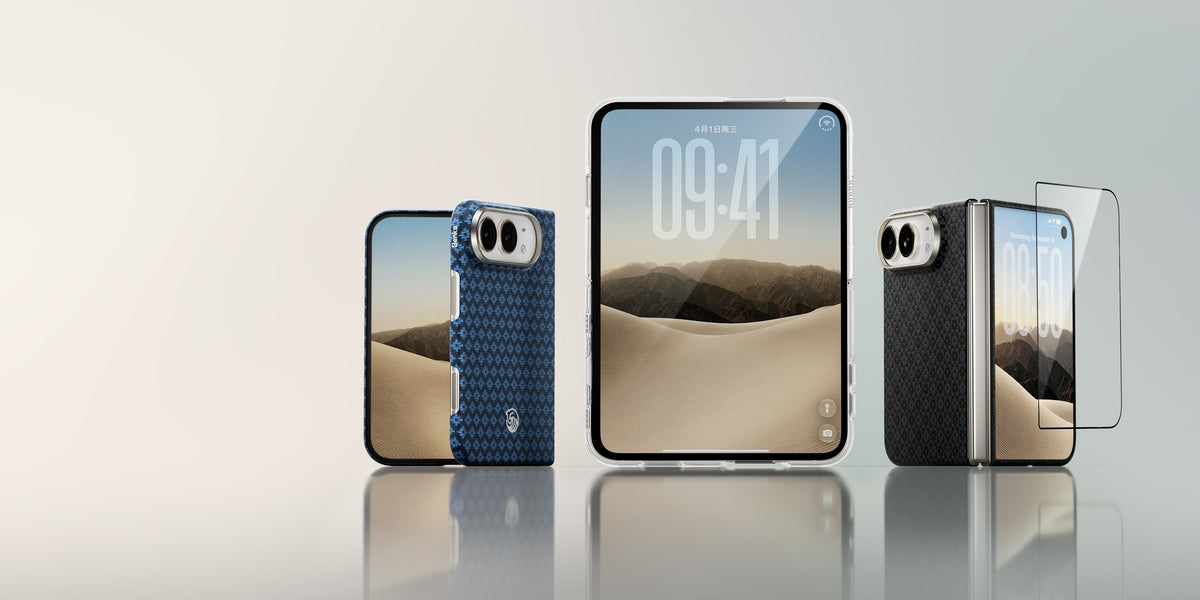
The outer display is the easiest part of the Duo protection plan to understand before launch. When the phone is closed, this is the screen exposed to pockets, bags, desks and everyday contact.
For buyers who normally use a screen protector, having one ready before the phone arrives makes sense. The goal is straightforward: add a replaceable surface layer without compromising display clarity, touch response or case compatibility.
What we should not do before launch is claim that any third-party protector has already proven perfect fit in months of daily use. Until retail devices are widely available, product claims should be read as design specifications rather than long-term test results.
3. Should You Buy an Inner Screen Protector Before Launch?
This is where waiting can be smarter than buying everything immediately.
A folding inner display does not behave like the rigid outer glass on a conventional iPhone. It repeatedly bends through the same central area, so its layers, adhesives and surface treatment are part of a mechanical system.
That means you should not automatically assume that a normal tempered-glass protector belongs on the inner display. Before adding anything, follow Apple’s care guidance and the instructions for any protector specifically designed for the folding screen.
If an accessory does not clearly state that it is intended for the Duo’s inner folding display, do not treat it as interchangeable with an outer-screen protector.
For launch day, outer-screen protection is easy to plan. Inner-screen modification is something worth approaching more cautiously.
4. The Big Case Decision: Hinge Protection or Thinness?
For a foldable, the case decision is not only about material or color. You also need to decide whether you want the hinge physically covered.

Route A: Full Hinge Coverage
A dedicated hinge guard adds another barrier around the spine of the device. For users who frequently drop phones, commute with them in crowded bags, travel often or simply want maximum exterior coverage, that can be reassuring.
The trade-off is additional structure. Hinge-cover cases can add thickness and weight to a device that already has two body halves and a folding mechanism.

Route B: Open Hinge, Slimmer Profile
An open-hinge case protects the front and rear body while leaving the hinge spine exposed. The advantage is a cleaner profile and less hardware around the folding mechanism. The obvious compromise is that the hinge itself receives less direct impact coverage.

There is no universal answer. Our earlier guide, Foldable Phone Hinge Protection: Do You Actually Need It?, looks at this trade-off in more detail.
That article was written around Samsung foldables, where Benks has previously used full hinge-protection designs. The important lesson for iPhone Duo is not that one philosophy is always right. It is that hinge coverage and slimness are competing priorities.
5. Don’t Turn Your Foldable Into a Brick Before It Even Arrives
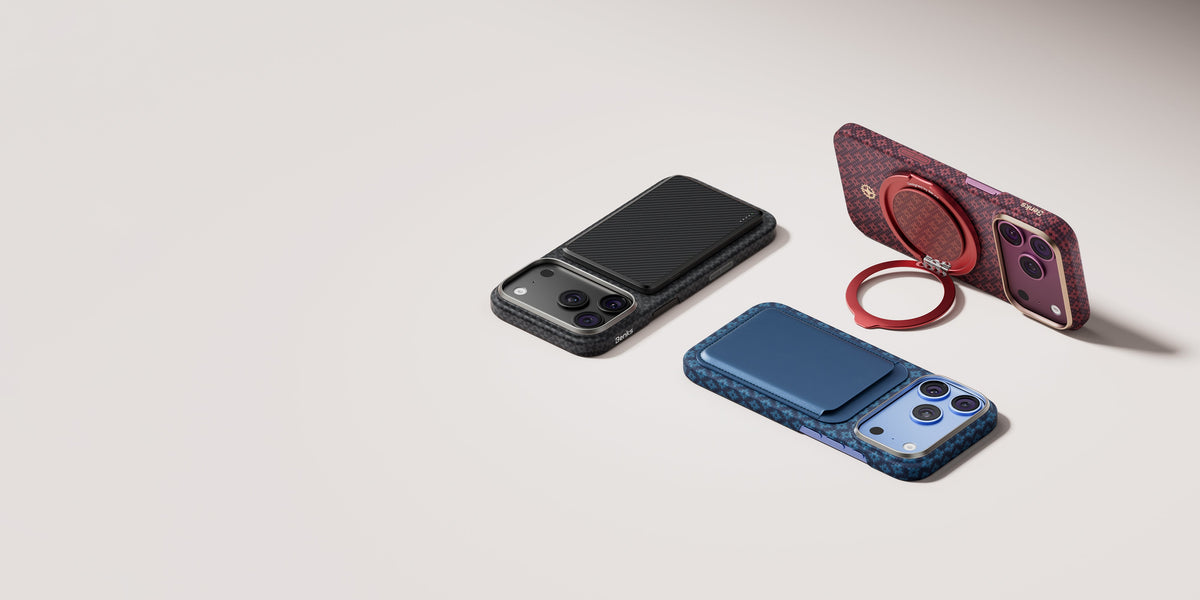
It is easy to build an accessory shopping list before the phone ships: case, outer-screen protector, camera protector, MagSafe wallet, stand, battery pack and more.
But every layer adds something — weight, thickness, complexity or all three.
That matters because one of the reasons to buy a foldable like iPhone Duo is the ability to carry a large 7.6-inch inner display in a device that closes into a more compact shape. If the protection setup adds unnecessary bulk around every surface, it can undermine part of that appeal before you have even used the phone.
A more useful metric is protection-to-bulk ratio: how much useful everyday protection are you getting for every gram and millimeter you add?
Material choice plays a role here. For a deeper comparison of aramid fiber, TPU, polycarbonate and other common constructions, see Phone Case Materials Guide: Kevlar, TPU & More (2026).
6. What Case Material Makes Sense for iPhone Duo?
| Material | Typical Bulk | Main Strength | Main Trade-Off |
|---|---|---|---|
| Silicone | Medium | Grip and everyday comfort | Can add noticeable thickness |
| TPU / hybrid | Medium–High | Flexible impact cushioning | Usually bulkier |
| Polycarbonate | Low–Medium | Rigid structure | Protection depends heavily on design |
| Aramid / Kevlar® | Low | High strength-to-weight ratio | Thin construction is not the same as maximum rugged protection |
For a foldable, case material matters because thickness is effectively multiplied by the device’s two-sided construction. A material that can provide rigidity at a thin cross-section is therefore particularly interesting for users who want to preserve the original profile.
That is where aramid fiber such as Kevlar® fits. Its advantage is not that a thin Kevlar® shell magically offers the same protection as every thick rugged case. Its appeal is the amount of structural strength available at relatively low weight and thickness.
If you want to understand the limits of slim cases before choosing one, read Do Thin Phone Cases Really Protect Your Phone? Real Test Results and Honest Answer.
7. What About Camera Protection?
Camera protection is another accessory you can plan before launch, but it does not need to become an automatic purchase.
There are three common approaches: a case with a raised camera lip, a dedicated lens protector, or more extensive camera-area coverage. Each adds a different amount of material.

If your case already keeps the camera glass away from flat surfaces and you are careful about where you place the phone, that may be enough for your use. If you regularly carry your phone with other hard objects or want another replaceable barrier over the camera area, a dedicated protector may make more sense.
Whichever route you choose, fit and optical interference matter more than simply covering as much glass as possible.
8. What I’d Buy Before iPhone Duo Ships — and What I’d Wait On
Reasonable to Prepare Before Launch
- Outer-screen protector: useful from the first day if you normally protect exposed displays.
- Case: reasonable to order early once you have decided between a slim open-hinge design and fuller hinge coverage.
- Compatible charging accessories: useful when compatibility is clearly documented.
Worth Waiting for More Real-World Evidence
- Inner-screen add-ons: wait for clear compatibility and care guidance rather than treating the folding display like conventional glass.
- Complex hinge accessories: real retail-unit testing will tell us more about clearance, comfort and long-term behavior.
- Accessories making aggressive “perfect fit” or durability claims: pre-release specifications are not the same as months of real-world use.
This distinction matters for a first-generation Apple foldable. Buying the accessories you already know you need is sensible. Pretending every unanswered durability question has already been solved is not.
9. Where Benks’ iPhone Duo Approach Fits
Benks’ foldable-case history has included more protective hinge-cover designs for Samsung devices. With iPhone Duo, a slimmer open-hinge approach represents a different balance: protect the exposed body and everyday contact areas without building a large protective spine around the hinge.
For users attracted to the Duo because of its compact folding design, lightweight aramid-fiber construction can make sense because it prioritizes protection-to-weight and protection-to-bulk rather than simply adding more material.

But that trade-off should be explicit. If your highest priority is direct hinge coverage, choose a case designed around full hinge protection. If your priority is keeping the Duo closer to its original folded and unfolded profile, a slim open-hinge design may be the better fit for your preferences.
Until retail units are available, Benks case specifications should be treated as announced product design information — not as a substitute for long-term hands-on testing.
10. A Case Can’t Protect Everything
A case can help with scratches, frame contact, camera clearance and some impacts. A screen protector can add a replaceable layer to an exposed display.
Neither can guarantee protection against every form of damage to a folding OLED panel, internal hinge components, liquid exposure or a severe impact.
That is especially worth remembering with a first-generation product. Accessories are one layer of risk management, not a promise that the device cannot be damaged.
Final Thoughts: Prepare Now, Judge After Launch
iPhone Duo is already official, but as of this guide, consumers are still waiting for the retail release. Apple says pre-orders begin October 16 and availability begins October 23.
That makes this the right time to prepare the accessories whose purpose is already clear: outer-screen protection, a case philosophy that matches your priorities, and compatible everyday charging gear.
It is also the wrong time to pretend we already have months of evidence about hinge wear, inner-screen durability, third-party fit and long-term case behavior.
Buy the accessories you know you’ll need. Wait for real-world testing on the things we don’t know yet.
For a first-generation foldable, that is a better strategy than covering every millimeter before the phone even reaches your hands.
Frequently Asked Questions
When does iPhone Duo go on sale?
Apple says iPhone Duo pre-orders begin Friday, October 16, with availability beginning Friday, October 23 in the first wave of markets.
Should I buy an iPhone Duo case before launch?
You can if you already know what protection philosophy you want. Decide first whether you prioritize a slimmer open-hinge case or fuller hinge coverage, and buy from a manufacturer that clearly lists compatibility with iPhone Duo.
Does iPhone Duo need a screen protector?
The exposed outer display can benefit from a screen protector if you want a replaceable layer against everyday cosmetic wear. The folding inner display should be treated differently and only paired with protection specifically intended for that screen and consistent with Apple’s care guidance.
Should I buy an inner screen protector for iPhone Duo before launch?
There is little reason to rush. Because the inner display folds repeatedly, wait for clear compatibility information and real-world experience rather than assuming a conventional tempered-glass solution will work.
Does an iPhone Duo case need hinge protection?
Not necessarily. Full hinge coverage provides more direct exterior protection but usually adds structure and bulk. An open-hinge design keeps the case slimmer but leaves the hinge more exposed. The right choice depends on how much coverage you want.
Is Kevlar® a good case material for a foldable phone?
Kevlar® aramid fiber can be attractive for foldables because of its high strength-to-weight ratio and ability to form rigid structures at relatively low thickness. The final protection level still depends on the complete case design, not the fiber alone.
What accessories should I buy before my iPhone Duo arrives?
An outer-screen protector and a case are the easiest accessories to prepare in advance. Charging accessories can also make sense when compatibility is documented. Inner-screen modifications and complex hinge accessories are more reasonable to evaluate after retail units receive broader testing.
Why doesn’t every iPhone Duo case cover the hinge?
Hinge guards add direct coverage, but they also add material around the spine of a foldable. Some case designs prioritize maximum coverage; others prioritize thinness and unobstructed folding. It is a design trade-off rather than proof that the hinge does or does not need protection.


댓글 남기기
이 사이트는 hCaptcha에 의해 보호되며, hCaptcha의 개인 정보 보호 정책 과 서비스 약관 이 적용됩니다.