
iPhone Fold vs Galaxy Z Fold 8: Did Apple Solve Foldables?
Did Apple Finally Get Foldables Right? Why Everyone Is Talking About the iPhone Fold's Shape
When leaked schematics of the iPhone Fold surfaced in 2026, the tech community didn't argue about the chipset or the camera. They argued about the shape.
Threads with hundreds of comments. Comparison videos running into millions of views. Journalists who'd covered seven generations of Galaxy Fold suddenly writing about aspect ratios like they'd discovered something new.
The reason is simple once you see the numbers: Apple's rumored iPhone Fold doesn't just enter the foldable market — it arrives with a design philosophy that contradicts almost everything the category has built over the past seven years.

Why Foldable Phones Still Haven't Gone Mainstream
The Galaxy Fold launched in 2019. Seven years later, foldables remain a niche. Samsung has done the hard work of refining the hardware — the Z Fold 7 is genuinely excellent — but the form factor hasn't crossed into everyday adoption.
Ask people who tried a Fold and passed. The complaints are consistent.
The cover screen feels awkward for a phone. Tall and narrow, it's uncomfortable to type on one-handed. Watching video feels like looking through a mail slot. The inner display is large but in a near-square aspect ratio that most apps weren't designed for. And the folded thickness — 12.1mm on the Z Fold 7, 11.5mm on the Fold 8 — is still noticeably chunkier than any conventional flagship.
These aren't criticisms of Samsung's execution. They're structural limitations of a design framework — tall and narrow when folded, squarish when open — that Samsung pioneered in 2019 and everyone else copied.
Apple is not copying it.
💡 Considering a foldable for the first time? Galaxy Z Fold 8 vs Fold 7: Should You Wait for the Fold 8 or Buy the Fold 7 Now?
What Apple Is Doing Differently

Here's what leaked schematics and multiple credible sources have established ahead of the iPhone Fold's expected September 2026 launch — likely to carry the "iPhone Ultra" name.
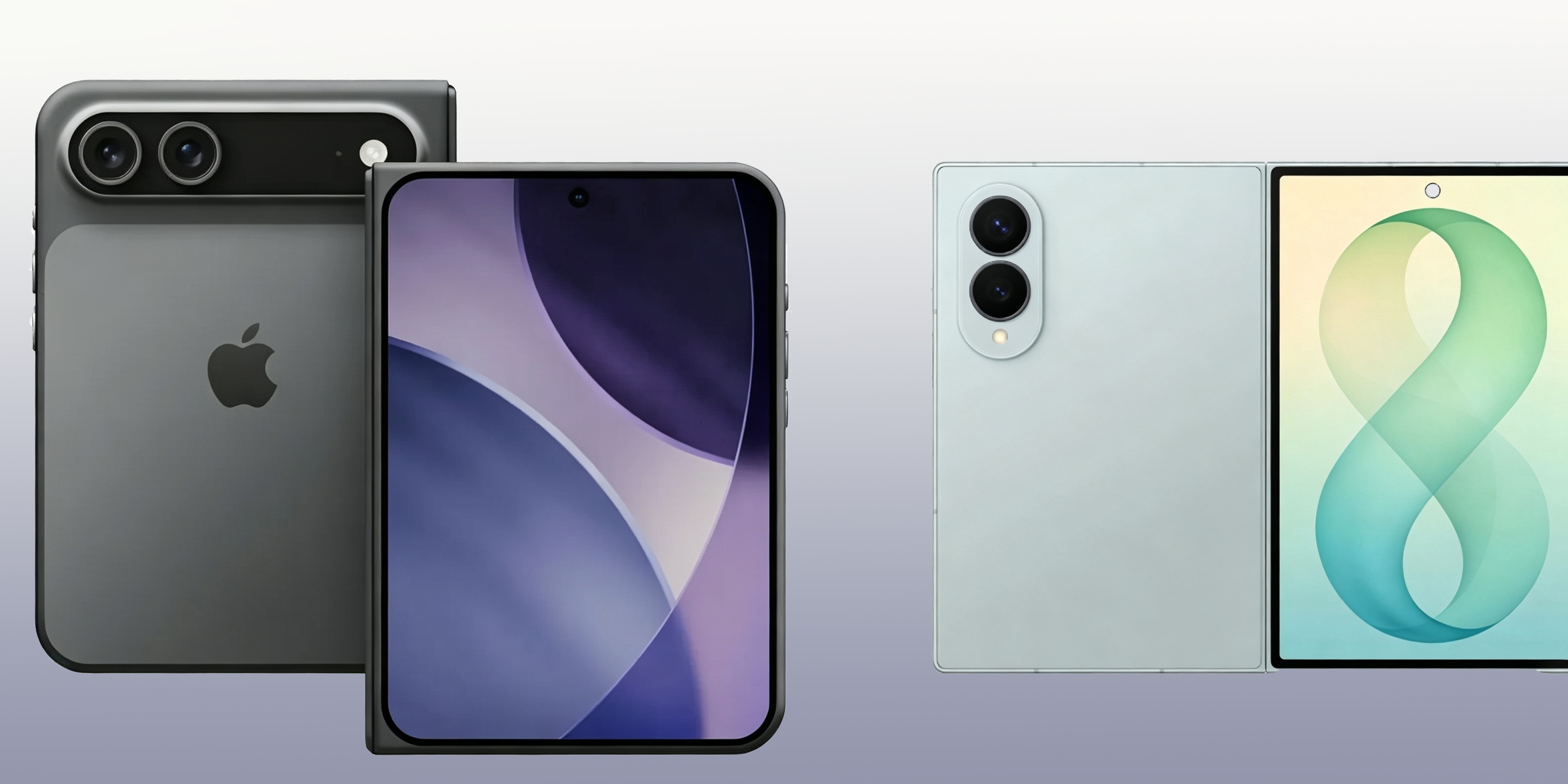
Cover screen: 5.49 inches, 4:3 aspect ratio. Shorter and wider than any current foldable's outer display. Physically smaller than the Z Fold 8's 6.5-inch cover screen, but the wider aspect ratio means typing and browsing feel closer to a conventional iPhone.
Inner screen: 7.76 inches, 4:3 aspect ratio. When unfolded, the device sits in landscape orientation — closer to a small iPad than to a tall Android foldable. The effective viewing area for 16:9 video content is meaningfully larger than on a taller inner display with the same diagonal measurement.
The crease: Apple reportedly pursued eliminating it "regardless of cost," developing a new adhesive layer that spreads fold stress across the display stack. Mark Gurman calls it "reduced" rather than eliminated. Most leakers call it nearly invisible in normal use — a material step forward from current foldables.
| iPhone Fold (Rumored) | Galaxy Z Fold 8 | |
|---|---|---|
| Cover screen | 5.49" — 4:3, wide | 6.5" — tall/narrow |
| Inner screen | 7.76" — landscape 4:3 | 8.0" — portrait/tall |
| Folded thickness | ~9.6mm | 11.5mm |
| Chipset | A20 (2nm) | Snapdragon 8 Elite |
| Camera | Dual 48MP | Triple 200MP main |
| Crease | Near-invisible (rumored) | Reduced (confirmed) |
| Launch | September 2026 | July 22, 2026 |
| Price | ~$2,000 | ~$1,899 |
Samsung Took One Path. Apple Is Taking Another.
This is a design philosophy story more than a hardware story.
Samsung's approach has always been productivity-first. The tall cover screen accommodates standard app layouts. The near-square inner screen enables split-screen multitasking. Samsung DeX brings desktop-mode functionality. Galaxy AI features are increasingly central to the pitch. The Z Fold 8 is a device you reach for to get work done.
Apple's approach targets a different user — one who mostly wants a better phone, not a mini workstation.
The wider cover screen handles the things most people do with their phone most of the time: messaging, browsing, quick checks. The landscape inner display makes it the best phone for media consumption in the category. Running iOS 27 rather than iPadOS means the device behaves like a large iPhone when open, not like a tablet trying to be a phone.
The honest caveat: iOS 27 is starting from scratch on a 4:3 canvas. Android has had seven years to build a foldable app ecosystem. How many apps are properly optimized at launch is a genuine unknown — and it matters more on a foldable than on any conventional device.
What the Community Is Actually Debating
When the schematics surfaced, community reaction split into recognizable camps.
The cover screen skeptics. The iPhone Fold's 5.49-inch cover screen is physically smaller than the Z Fold 8's 6.5-inch outer display. Users who rely heavily on the folded state — commute browsing, one-handed use, quick tasks — point out that the Z Fold 8's cover screen is simply more capable as a standalone phone experience. This is legitimate.
The media consumption converts. The crowd that immediately recognized what the wider inner display means for video. On a tall Android foldable, 16:9 content plays with significant black bars top and bottom. On a 7.76-inch 4:3 display, the same content fills more of the screen. For the many users who unfold primarily to watch something, Apple's orientation makes more sense.
The "just want a normal phone" group. Perhaps the most common thread: people who've looked at foldables but bounced at the cover screen experience. The consistent complaint is that current foldable cover screens don't feel like real phones — too narrow, too tall, uncomfortable for one-handed use. The iPhone Fold's wider aspect ratio addresses this directly.
No camp has a monopoly on correctness. The iPhone Fold isn't better than the Z Fold 8 — it's optimized for different priorities. Which set of priorities describes you is the actual buying question.
Could This Be the First Foldable Normal iPhone Users Actually Buy?
Samsung sells foldables to a specific buyer: early adopters, productivity enthusiasts, and tech-forward professionals willing to accept trade-offs. The iPhone Fold is aimed at a different, much larger group — the roughly one billion iPhone users who've never considered a foldable because existing foldables don't feel like iPhones.
The ecosystem argument is real. For users already deep in Apple — iMessage, AirDrop, Continuity, Apple Watch integration — a foldable that runs iOS 27 natively is a categorically different proposition than switching platforms for a Samsung foldable.
The supply caveat is also real. Manufacturing ramp-up challenges mean stable availability may not arrive until well into 2027. Getting one in September 2026 could require serious pre-order speed — or months of waiting.
The Galaxy Z Fold 8, by contrast, launches July 22 with eight generations of manufacturing confidence behind it. It will be in stores on day one.
Protecting a $2,000 Device — Fold 8 Now, iPhone Fold Later
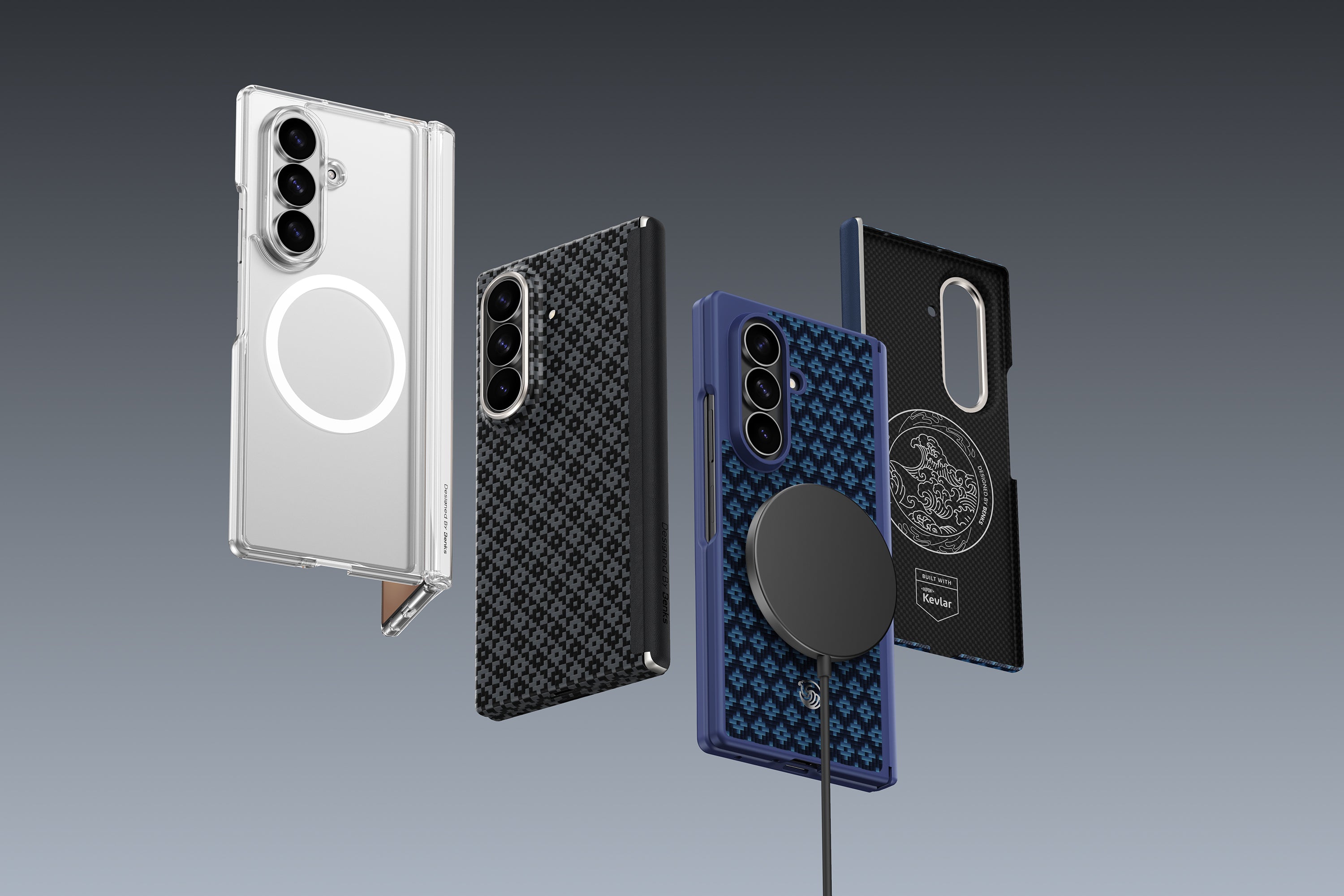
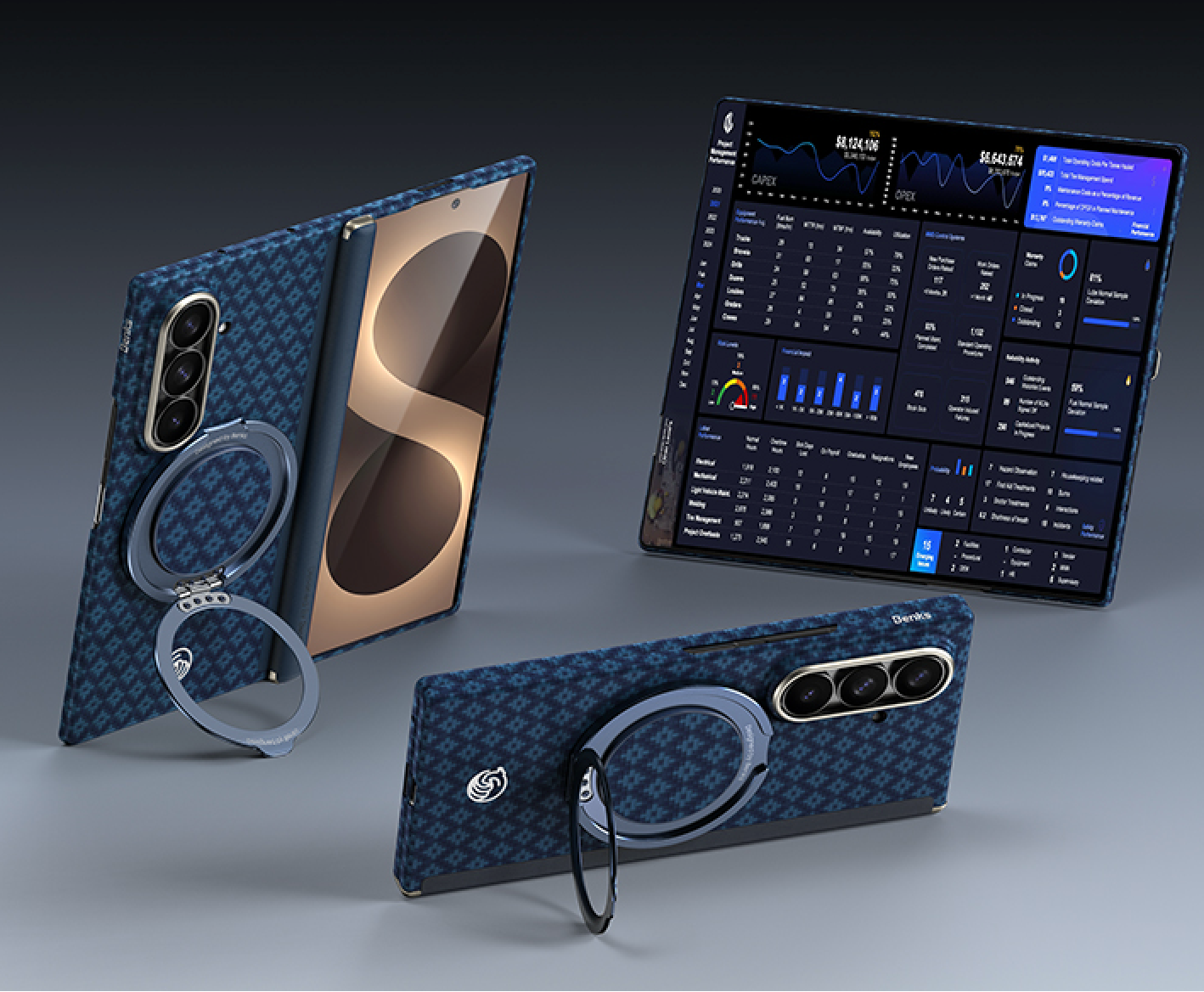
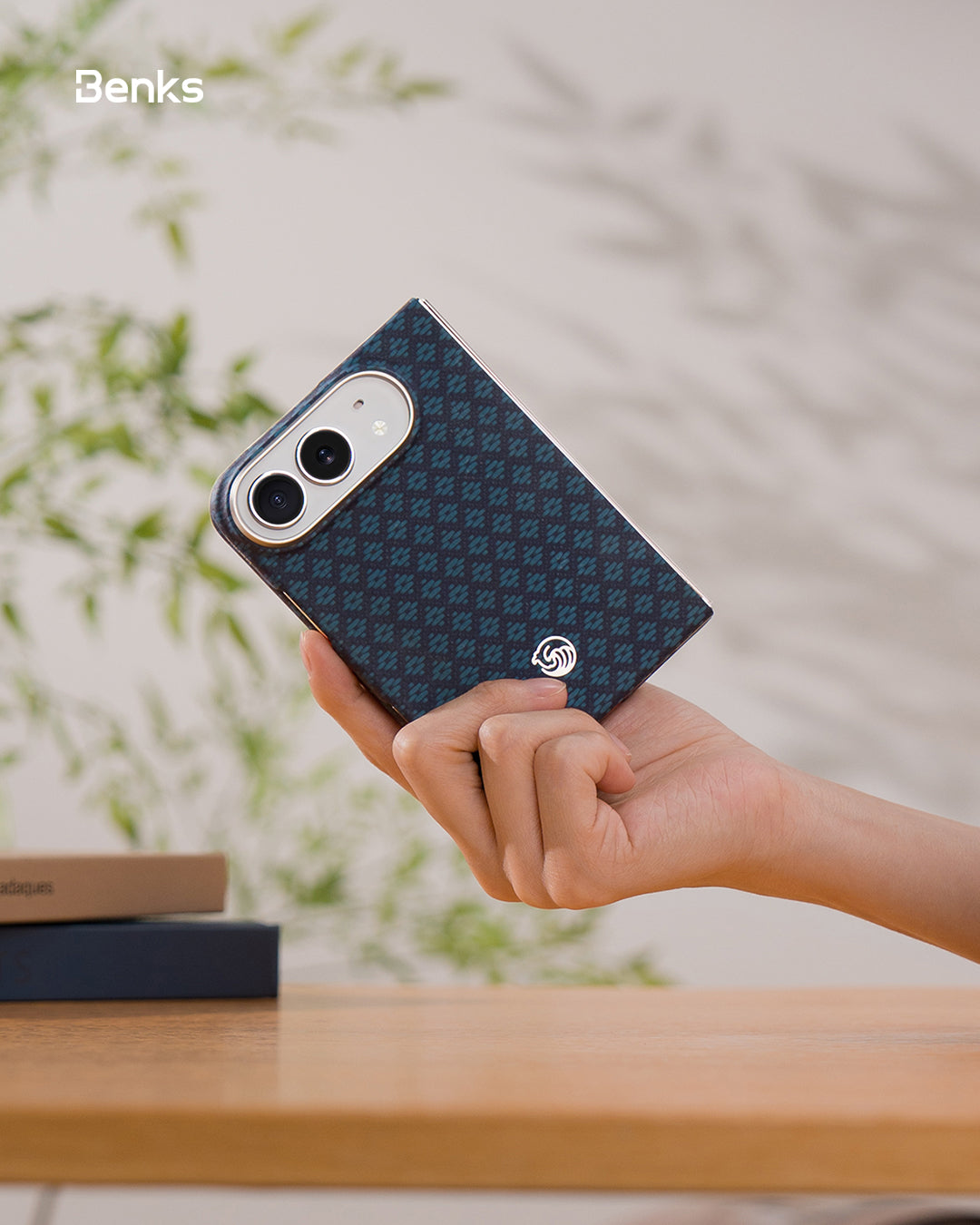
Benks Grand Combo case for Galaxy Z Fold 8 showing three-component protection system
Both devices cost between $1,899 and $2,000. Both have inner screens that cost $400–600 to replace out of warranty. Both have hinges that run $350–500 to repair. The protection math is the same on both.
For Galaxy Z Fold 8 buyers: cases are available now, built specifically for the new dual-rail hinge geometry and wider 8.0-inch inner screen. Note that Z Fold 7 cases do not fit — the hinge, screen, and camera positions all differ. Protection should be planned before the device arrives.
💡 Your Z Fold 7 cases won't fit the Fold 8 — here's what will
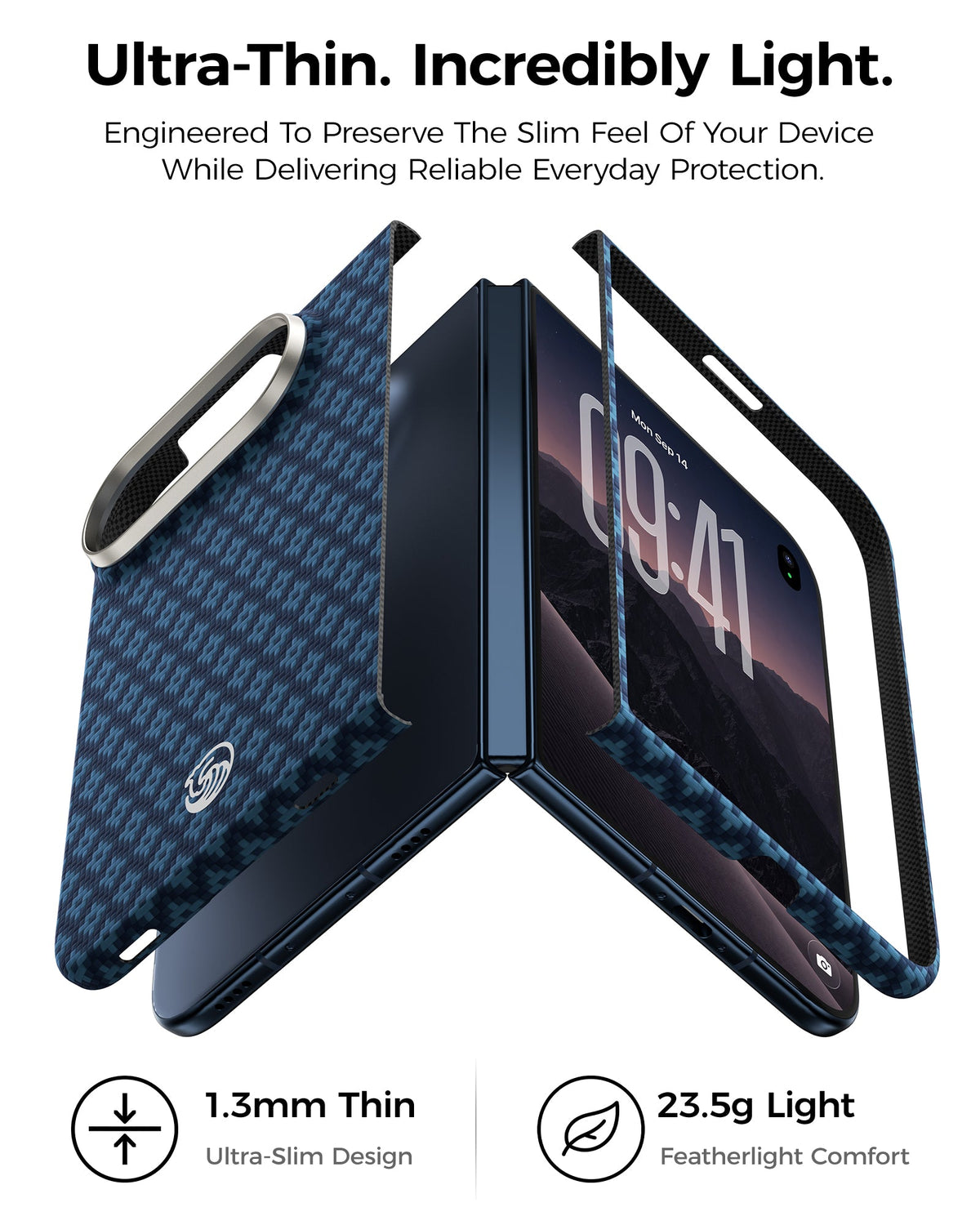
 [Grand Combo] ArmorGrid Air Azure Blue Case built with Kevlar® for Samsung Galaxy Z Fold 8 Ultra
For iPhone Fold buyers: accessory availability at launch will be limited, as it always is for first-generation Apple hardware. The unusual wider dimensions mean nothing from the Android foldable accessory market will transfer. Purpose-built cases will emerge in the weeks after the September launch as manufacturers confirm final hardware dimensions.

[Grand Combo] ArmorGrid Air Azure Blue Case built with Kevlar® for Samsung Galaxy Z Fold 8 Ultra
The Verdict
The Galaxy Z Fold 8 is the better foldable right now — proven hinge, mature ecosystem, available July 22, complete accessory support from day one.
The iPhone Fold might be the more interesting foldable. Not better by the metrics the category has used for seven years, but built around a different theory of what most people actually need from a foldable device.
Samsung built the market. Apple is redefining what entry into that market looks like. The Fold 8 wins on experience and availability in the short term. The iPhone Fold is the device that could finally make foldables mainstream — if the software catches up to the hardware's ambition.
If Apple's first foldable launches with this design intact, would you choose it over the Galaxy Z Fold 8 — or does Samsung's proven ecosystem and cover screen advantage keep you on Android?
FAQ
What is the iPhone Fold's screen size? The iPhone Fold is rumored to have a 5.49-inch cover display and a 7.76-inch inner display, both at 4:3 aspect ratio. The inner display is wider than tall when unfolded, making it closer to a small iPad in orientation than to current Android foldables.
How does the iPhone Fold compare to the Galaxy Z Fold 8? The Z Fold 8 has a larger 6.5-inch cover screen, a triple-camera system, S Pen support, and launches in July 2026. The iPhone Fold has a wider but smaller cover screen, a dual-camera setup, a near-invisible crease, and launches in September 2026 at around $2,000.
When does the iPhone Fold launch? Apple's September 2026 event alongside the iPhone 18 Pro lineup. Supply chain reports suggest stable availability may not arrive until 2027 due to manufacturing ramp-up challenges.
Will the iPhone Fold support MagSafe? Not officially confirmed. Given the device runs iOS and Apple's deep MagSafe ecosystem integration, some form of magnetic accessory compatibility is widely expected — but the specific implementation for the wider form factor is unknown.
Do Galaxy Z Fold 7 cases fit the Fold 8? No. The Z Fold 8 has a new dual-rail hinge, wider inner display, and repositioned elements. Cases must be purchased specifically for the Fold 8.


Leave a comment
This site is protected by hCaptcha and the hCaptcha Privacy Policy and Terms of Service apply.