
Artikel: iPhone Fold vs Galaxy Z Fold 8, Huawei Mate X6, and Pixel Fold: How Apple Stacks Up
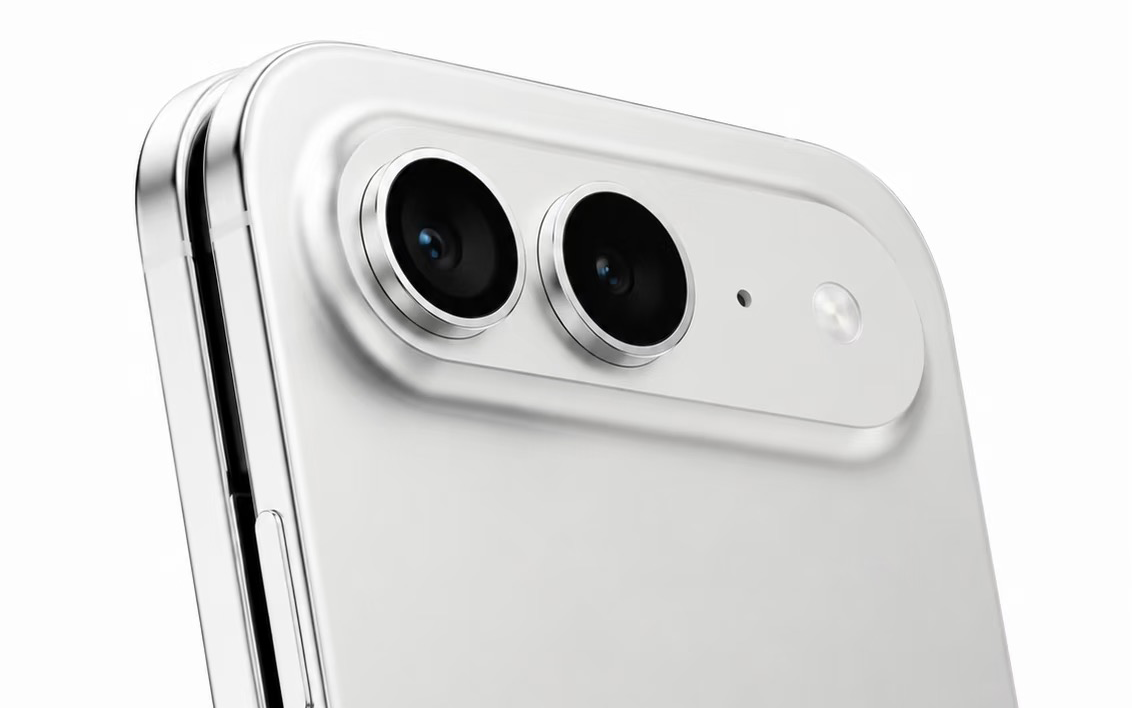
iPhone Fold vs Galaxy Z Fold 8, Huawei Mate X6, and Pixel Fold: How Apple Stacks Up
Apple is famously patient.
While Samsung launched its first Galaxy Fold in 2019 — 17.1mm thick, $1,980, with a display that started separating at the hinge within days of reviewers getting their hands on it — Apple watched. While Huawei pushed the outward-folding Mate X, demonstrating that the crease problem could be approached differently, Apple watched. While Google entered the market with the Pixel Fold in 2023 and refined it with the Pixel 9 Pro Fold, Apple kept watching.
Seven years of watching means seven years of knowing exactly what not to do.
The iPhone Fold arrives at Apple's September 2026 event as a device designed with the benefit of seeing every mistake the foldable category has made. Whether that translates into a genuinely better product — or just a late product with better marketing — is what the industry is trying to figure out right now.
Here's the honest comparison.
The State of Foldables Before iPhone Fold
To understand what Apple is trying to beat, it helps to know where the category actually stands in 2026.
Samsung Galaxy Z Fold 8 — on sale now at $1,899 — is the most refined Android book-style foldable available. The Fold 8 wide model uses a shorter, wider 4:3 landscape inner display conceptually similar to what iPhone Fold is rumored to use. The Fold 8 Ultra at $2,099 goes the other direction: thinner at 4.1mm unfolded, a 200MP triple-camera system, an 8-inch tall display built for productivity. Both use the new Flex Titanium display that dramatically reduces — though doesn't eliminate — the fold crease.
Huawei Mate X6 — released December 2024, priced around €1,999 — is the most premium-feeling Chinese foldable and the one that may have influenced iPhone Fold's approach most. At 239g and 9.9mm folded, it's lighter than most book-style foldables. The 7.93-inch inner display at 417 PPI is the sharpest in the category. Its variable aperture main camera — f/1.4 to f/4.0 — is more sophisticated than any competing foldable camera. The limitation is well-known: no Google services, limiting its relevance to mainland China for most international buyers.
Google Pixel 9 Pro Fold — released September 2024, starting at $1,799 — remains the most approachable book-style foldable for buyers outside Samsung's ecosystem. An 8-inch inner display, Tensor G4 chip, clean Android experience, and a triple-camera system with 5x periscope telephoto make it a genuine daily driver. The 6.3-inch cover screen is still narrower than ideal, but the overall package is coherent and well-supported.
What all three share: a visible fold crease. A hinge requiring more engineering attention than any component on a flat phone. A weight penalty over conventional flagships. And protection needs that most phone case manufacturers have consistently underserved.
What the iPhone Fold Is Reportedly Fixing
Apple's approach, based on everything that's leaked, reads like a direct response to the category's most persistent complaints.
The crease. Apple's target here has been the most discussed. Samsung Display — the same supplier that makes Galaxy Fold panels — reportedly developed a new layer-stack specifically to Apple's crease specifications. Mark Gurman describes the result as "nearly invisible." Back Market's analysis of dummy units puts the crease depth under 0.15mm. Whether that holds after six months of daily folding is the real question, but the starting point is reportedly better than anything currently shipping.
The cover screen. Every Galaxy Fold before the Fold 8 wide shipped with a cover screen too narrow for comfortable one-handed use. The Pixel 9 Pro Fold's 6.3-inch cover screen is more functional, but still taller and narrower than ideal. Apple reportedly went with a 5.49-inch display in a 4:3 aspect ratio — genuinely wide and short, prioritizing comfortable grip width over raw diagonal measurement.
The Face ID geometry problem. This is the challenge most people haven't thought through. Face ID requires a sensor array in consistent line-of-sight with the user's face. A book-style foldable is used in at least three distinct orientations — and none of them present the camera at the same angle. Apple's reported solution is side-mounted Touch ID, the same approach Samsung and Huawei use. It works regardless of fold angle, orientation, or whether the phone is fully open or closed.
The software layer. Samsung's One UI has improved significantly for foldables. Google's Android optimizations on the Pixel Fold are thoughtful. Apple has an advantage neither can easily replicate: millions of iPad-optimized apps already in the App Store. When iPhone Fold opens to 7.76 inches, it inherits that entire library on day one — without waiting for developers to update their apps for a new screen format.
The Head-to-Head
iPhone Fold vs Galaxy Z Fold 8
The most direct comparison — both devices use a wider, shorter 4:3 landscape inner display.
| iPhone Fold (Rumored) | Galaxy Z Fold 8 | |
|---|---|---|
| Inner display | 7.76" / 4:3 | 7.6" / 4:3 |
| Cover screen | 5.49" / 4:3 | 5.5" / 16:10 |
| Chip | A20 Pro (2nm) | Snapdragon 8 Elite Gen 5 |
| Camera | Dual (main + ultrawide) | Dual 50MP |
| Crease | Near-invisible (rumored) | Reduced (confirmed) |
| Authentication | Touch ID (side) | Fingerprint (side) |
| Starting price | $2,000+ | $1,899 |
| Available | September 2026 | Now |
The hardware gap is narrower than expected. Both devices use the wide 4:3 format, both use side fingerprint authentication, and both target the same use case. The difference comes down to two things: ecosystem and crease. iOS users don't give up their apps and iMessage continuity with iPhone Fold. Android users don't gain anything by switching platforms. On the crease, iPhone Fold's claims are more ambitious — but the Fold 8's Flex Titanium improvement is real and verifiable today.
iPhone Fold vs Galaxy Z Fold 8 Ultra
The Ultra is a different device — taller, thinner at 4.1mm unfolded, triple-camera with a 200MP main sensor and 3x optical telephoto.
If camera is your primary reason for buying a foldable, the Fold 8 Ultra is the honest answer. Its 200MP camera system with optical zoom is a meaningfully better photography tool than iPhone Fold's rumored dual-camera setup. The 8-inch tall inner display handles document editing and split-screen productivity in portrait orientation better than a landscape-oriented display.
iPhone Fold wins on iOS ecosystem integration and — reportedly — on crease visibility. Fold 8 Ultra wins on camera and comes with verified hardware you can hold in a store right now.
iPhone Fold vs Huawei Mate X6
In a head-to-head spec comparison, the Mate X6 is impressive: 417 PPI inner display, 239g weight, variable aperture main camera. It has genuinely pushed the foldable category forward — Apple's crease-reduction ambitions and the move toward variable aperture cameras both have clear precedents in Huawei's work.
Outside China, the Mate X6 is largely a reference point, not a purchase decision. No Google services means no Gmail, no Google Maps, no Play Store. For the vast majority of international buyers, it doesn't enter the actual choice set — but understanding what Huawei has achieved helps calibrate what's possible, and why Apple's specifications aren't as ambitious as they might first appear.
iPhone Fold vs Google Pixel 9 Pro Fold
The Pixel 9 Pro Fold at $1,799 is the most accessible book-style foldable for buyers who want clean Android without Samsung's ecosystem. Its 8-inch inner display is slightly larger than iPhone Fold's 7.76 inches, though in portrait orientation rather than landscape.
The cover screen comparison is counterintuitive: the Pixel's 6.3-inch display sounds larger than the iPhone Fold's 5.49 inches, but aspect ratio matters more. A wide 4:3 cover screen is more comfortable one-handed than a tall narrow one, regardless of diagonal size. In daily folded use, iPhone Fold's cover screen proportions are likely more practical.
For Android users who want a foldable now, without switching platforms: the Pixel 9 Pro Fold is coherent, well-supported, and $200 less than the Galaxy Z Fold 8.
The Thing No Brand Has Fully Solved
Seven years of foldable phones from four major manufacturers have produced real progress — and one persistent reality: foldables are still more fragile than flat phones, and they still need more intentional protection.
The inner screen on every book-style foldable scratches at Mohs level 2 — softer than any conventional smartphone glass, harder than fingernails by a narrow margin, but vulnerable to the fine grit at the bottom of most pockets. The hinge is the most expensive component to repair on any foldable, consistently running $350–500 out of warranty across manufacturers. The camera lenses on the outer panel face outward during carry and take more daily surface contact than on a flat phone.
None of this changes because the manufacturer is Apple. iPhone Fold will almost certainly ship with the same inner display protection rules as every Galaxy Fold: no tempered glass on the inner screen, factory UTG film must not be removed. The hinge will still be exposed in any standard back case. The outer camera array will still be the most contact-prone surface during pocket carry.
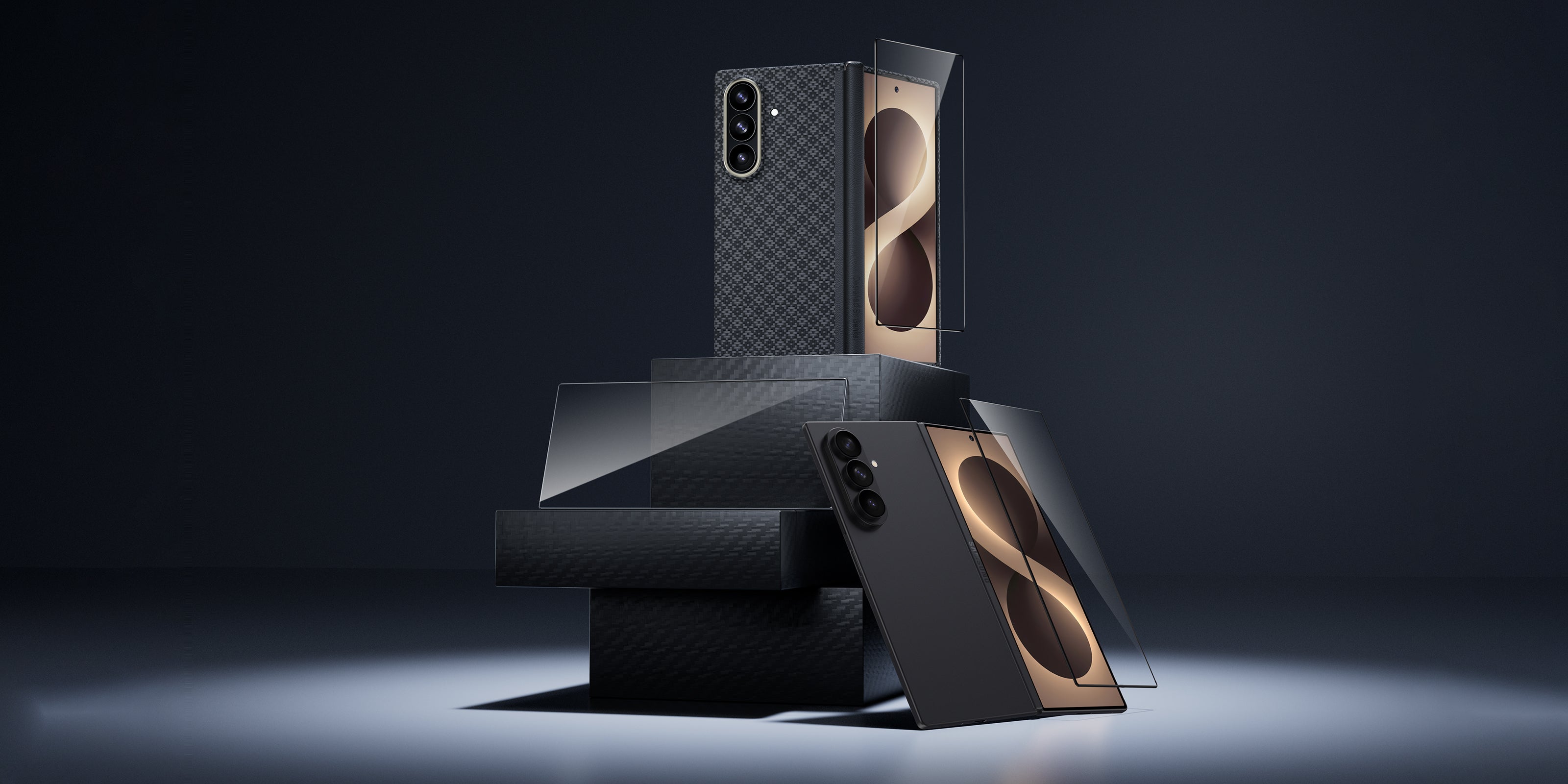
The protection challenge is actually harder for first-generation buyers, because iPhone Fold's exact hinge geometry, fold radius, and camera layout won't be confirmed until Apple announces it. Generic cases won't fit precisely. Cases adapted from Galaxy Fold templates won't account for Apple's specific engineering decisions. Day-one buyers who care about their $2,000+ device need cases built from scratch for this exact form factor.
The brands that will get this right are those that have already done it — across multiple foldable generations, adapting to different hinge designs, different fold radii, different camera configurations with each cycle.
💡 Why every foldable generation needs a purpose-built case — not an adaptation
Who Should Buy What
| You are... | Best option |
|---|---|
| iOS user who wants a foldable | Wait for iPhone Fold in September |
| Android user ready to buy now | Galaxy Z Fold 8 or Pixel 9 Pro Fold |
| Camera-first buyer | Galaxy Z Fold 8 Ultra (200MP triple) |
| Budget-conscious foldable buyer | Pixel 9 Pro Fold at $1,799 |
| Curious about foldables, no platform loyalty | Wait until after September — you'll have all options available simultaneously |
September 2026 is the best moment in the foldable phone category's history to be a buyer. For the first time, you can compare Samsung, Google, and Apple's answers to the same engineering problem — in the same season, with full reviews available for most of them.
Whatever you choose, the protection calculus is the same: thin, rigid, hinge-covering. Because the physics of folding glass and precision hinges doesn't care which logo is on the back.


Hinterlasse einen Kommentar
Diese Website ist durch hCaptcha geschützt und es gelten die allgemeinen Geschäftsbedingungen und Datenschutzbestimmungen von hCaptcha.