
How to Choose a Screen Protector: Full Guide (2026)
Most screen protectors are bought after a cracked screen — which means most people are guessing at what to buy under pressure. This guide covers every major protector type, what the specs on the packaging actually mean, which devices need special consideration, and how to apply one without trapping air bubbles. Read this before you buy.
Table of Contents
- Tempered Glass vs. PET Film vs. TPU Film
- What "9H Hardness" Actually Means
- Curved and Folding Screen Considerations
- Privacy Screen Protectors
- Lens Protectors — A Separate Problem
- Do You Actually Need a Screen Protector in 2026?
- How to Apply Without Bubbles
- Screen Protector Recommendations by Device
- FAQ
Tempered Glass vs. PET Film vs. TPU Film
Three materials dominate the screen protector market. Each behaves differently under impact, feels different under your finger, and fails differently over time.
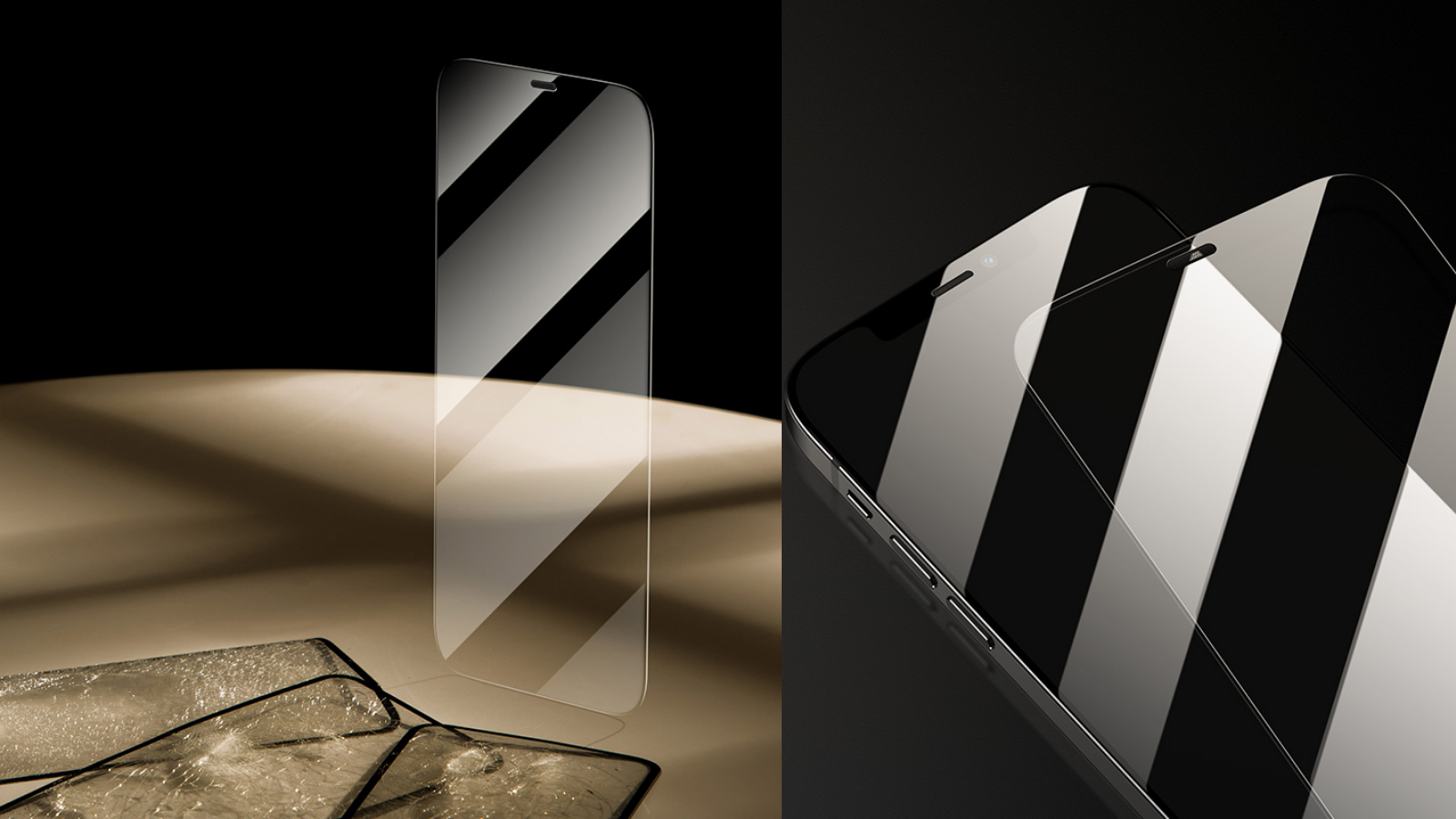
Tempered glass is the most common choice for flagship phones. It is made by heating glass to high temperature and rapid-cooling it, which creates a compressed surface layer. This gives it a hardness rating of 9H on the Mohs-adjacent pencil hardness scale, good scratch resistance, and a touch response that feels identical to the phone's bare glass. When it fails under impact, it shatters rather than flexing — which protects the screen below by absorbing the force in the protector itself. Thickness ranges from 0.2mm to 0.5mm.
PET film (polyethylene terephthalate) is thin, flexible, and inexpensive. It scratches more easily than glass — pencil hardness of around 3H — and offers minimal impact protection. Its main advantages are price and availability for older or less common devices. Oleophobic coating degrades faster than on glass, so fingerprint smearing becomes more visible within a few months.
TPU film (thermoplastic polyurethane) is flexible and self-healing — minor surface scratches disappear as the material recovers its shape. It is used primarily on curved screens and foldable displays where rigid glass would crack at the flex point. Touch sensitivity is slightly lower than glass, and the softer surface accumulates micro-scratches that gradually affect clarity.
| Type | Hardness | Impact protection | Touch feel | Best for |
|---|---|---|---|---|
| Tempered glass | 9H | High | Excellent | Flat / standard curved screens |
| PET film | 3H | Low | Good | Budget, older devices |
| TPU film | 4–6H | Medium | Good | Foldable screens, deep curves |

What "9H Hardness" Actually Means
The "9H" label on tempered glass products refers to pencil hardness — a test where pencils of increasing hardness (6B through 9H) are drawn across a surface at 45 degrees to find the point at which scratching occurs. A 9H rating means no pencil in the standard set can scratch the surface.
This does not mean the screen protector is scratch-proof in daily use. Keys are typically 5–6H. Sand and concrete particles can reach 7–9H. The 9H rating means the surface resists pencil scratching in a lab test — it is a quality indicator, not an absolute guarantee. A 9H tempered glass protector and a 9H sapphire-coated glass behave very differently in practice, even though both carry the same rating.
More useful specifications to check are thickness (thinner means better touch response but less impact absorption) and the drop-protection rating if one is included. Brands that test to specific drop heights and publish results are more informative than those that only list hardness.

Curved and Folding Screen Considerations
Standard tempered glass protectors are cut flat and do not adhere fully to deeply curved screen edges. The result is lifted edges — a white halo around the perimeter — and reduced protection at the corners where most drop impacts occur. For phones with a pronounced curve (Samsung S-series, for example), look for protectors described as "edge-to-edge" or "full-coverage" that use a softer adhesive layer at the edges.
Foldable phones present a different problem. The inner screen of a Z Fold or Z Flip uses a plastic display panel with a pre-applied film that the manufacturer instructs users not to remove. A third-party protector can be applied on top, but it must be flexible enough to survive repeated folding without delaminating. Rigid tempered glass cracks at the fold point within days. TPU film is the only viable option for the folding inner display.
The outer cover screen of foldable phones behaves like a standard screen and accepts glass protectors normally. Lens protectors for the camera array are a separate product category and are not interchangeable with screen protectors.

Privacy Screen Protectors
Privacy protectors use a micro-louver filter — a structure similar to a window blind at microscopic scale — to block viewing angles beyond approximately 30 degrees from center. Anyone looking at the screen from the side sees black. This is useful for commuting, working in public spaces, and any situation where sensitive information appears on screen.
The trade-off is brightness. Privacy filters typically reduce screen brightness by 25–40%, which makes the display harder to see in direct sunlight and affects color accuracy. Touch response is comparable to standard glass. The filter layer adds approximately 0.1–0.2mm to the total thickness. For users who regularly use their phone outdoors or in high-ambient-light conditions, a privacy protector requires higher screen brightness settings to compensate, which increases battery drain.
The Benks Ultra Shield Privacy screen protector uses tempered glass construction with a built-in micro-louver filter, maintaining 9H surface hardness. The King Kong Anti-Peeping variant adds additional edge coverage for wider viewing-angle blocking.

Lens Protectors — A Separate Problem
Camera lenses scratch independently of the screen. Most phone cases leave the camera array exposed, and the glass over the lens is not hardened to the same degree as the screen — it prioritizes optical clarity over scratch resistance. A single scratch on the lens cover reduces image sharpness across all photos taken with that lens.
Lens protectors are thin glass rings that adhere around each camera lens. They add less than 0.3mm to the camera profile and do not affect image quality if optically clear. For phones with a raised camera bump — the S25 Ultra, iPhone 17 Pro series — lens protectors also prevent the camera glass from making contact with flat surfaces. This is worth considering for users who set their phone face-up on rough surfaces regularly.
The Benks Air Shield and GlassWarrior lens protector series are precision-cut for individual lens modules on current iPhone and Samsung models. The Sapphire lens protector adds sapphire-grade scratch resistance for the camera glass on iPhone 16 Pro Max and compatible models.

Do You Actually Need a Screen Protector in 2026?
Modern flagship screens are significantly more resistant to scratching and cracking than they were five years ago. Apple's Ceramic Shield (used on iPhones from the 13 series onward) claims 4x better drop performance than previous generations. Samsung's Corning Gorilla Glass Victus 2 is tested to survive drops from 1 meter onto concrete. Both are genuine improvements.
The counterargument is that "better than before" does not mean drop-proof or scratch-proof. Concrete is not uniform. Keys, sand, and pavement particles still scratch even hardened glass under the right conditions. A screen replacement for a current iPhone 17 Pro costs $350–$400 at an Apple Store. A tempered glass protector costs $10–$25 and absorbs some portion of the impact in a fall by cracking in place of the screen. For more on the real-world calculus, see whether using an iPhone without a screen protector is a reasonable choice.
The answer depends on how you use your phone. If it lives in a dedicated pocket and never touches keys or coins, the risk is lower. If it shares a bag with other objects, or if you are accident-prone, the math favors the protector.

How to Apply Without Bubbles
Bubbles under a screen protector are caused by dust particles and by incomplete adhesive contact during application. Both are preventable.
What you need: the protector, an alcohol wipe, a microfiber cloth, a dust removal sticker (most kits include one), and a clean indoor environment away from fans or AC vents.
Step 1: Wipe the screen with the alcohol wipe and let it dry for 30 seconds. Do not breathe directly over the screen during this step.
Step 2: Use the dust removal sticker to lift any remaining particles. Press and lift without dragging.
Step 3: Peel the protector backing and align it to the speaker cutout or front camera before letting the adhesive make contact with the screen.
Step 4: Lower the protector from one end, using a card or squeegee to push out air as you go. Do not press down on areas that have not yet made contact.
Step 5: Any remaining small bubbles can be pushed toward the nearest edge with a fingernail wrapped in the microfiber cloth. Larger bubbles indicate a dust particle underneath — lift the protector carefully and use the dust sticker again before reapplying. For a full production breakdown of how tempered glass protectors are made, see how a tempered screen protector is produced.

Screen Protector Recommendations by Device
iPhone 17 series: Standard flat tempered glass works for iPhone 17 and 17 Air. The 17 Pro and 17 Pro Max have a slightly curved edge — look for "compatible with iPhone 17 Pro" labeling specifically. The Camera Control button on the right edge requires a protector cut to accommodate it; a generic iPhone protector may cover or interfere with this button.
Samsung Galaxy S25 / S26 Ultra: The curved display requires a flexible adhesive edge. Standard flat glass will lift within days. The S-Pen slot and curved corners need precise cutouts. Lens protectors are particularly useful given the large camera array on the Ultra models.
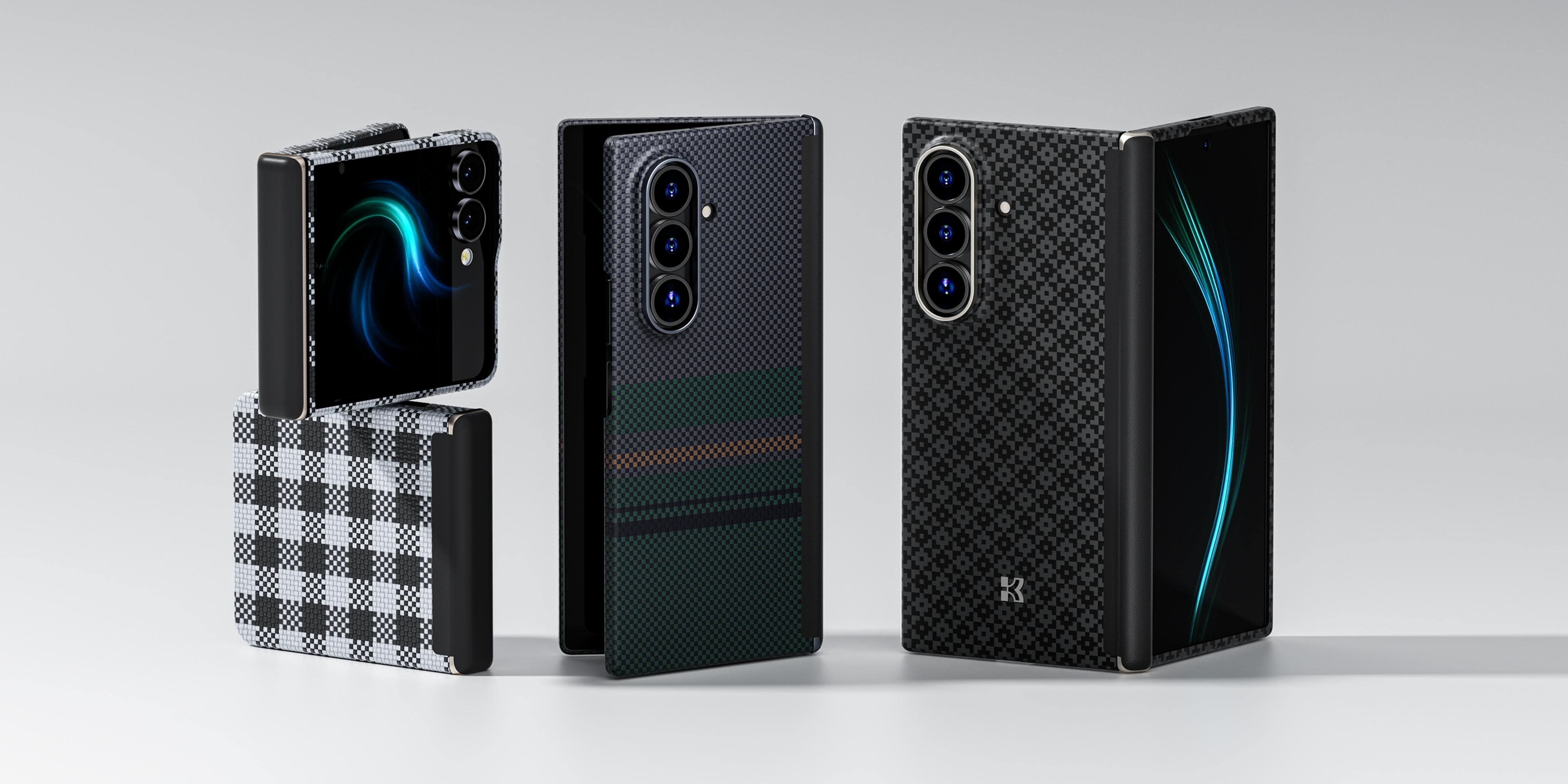
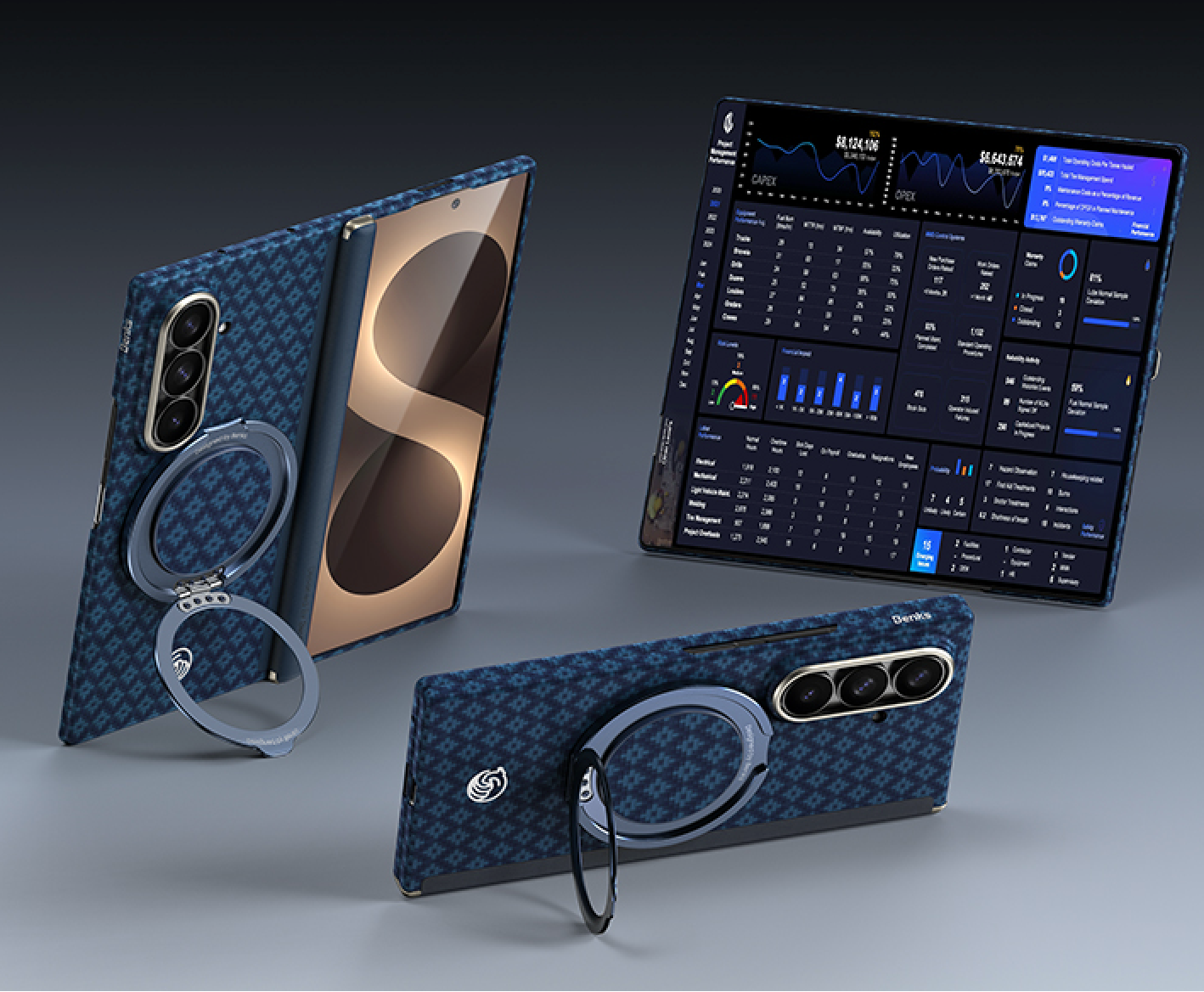
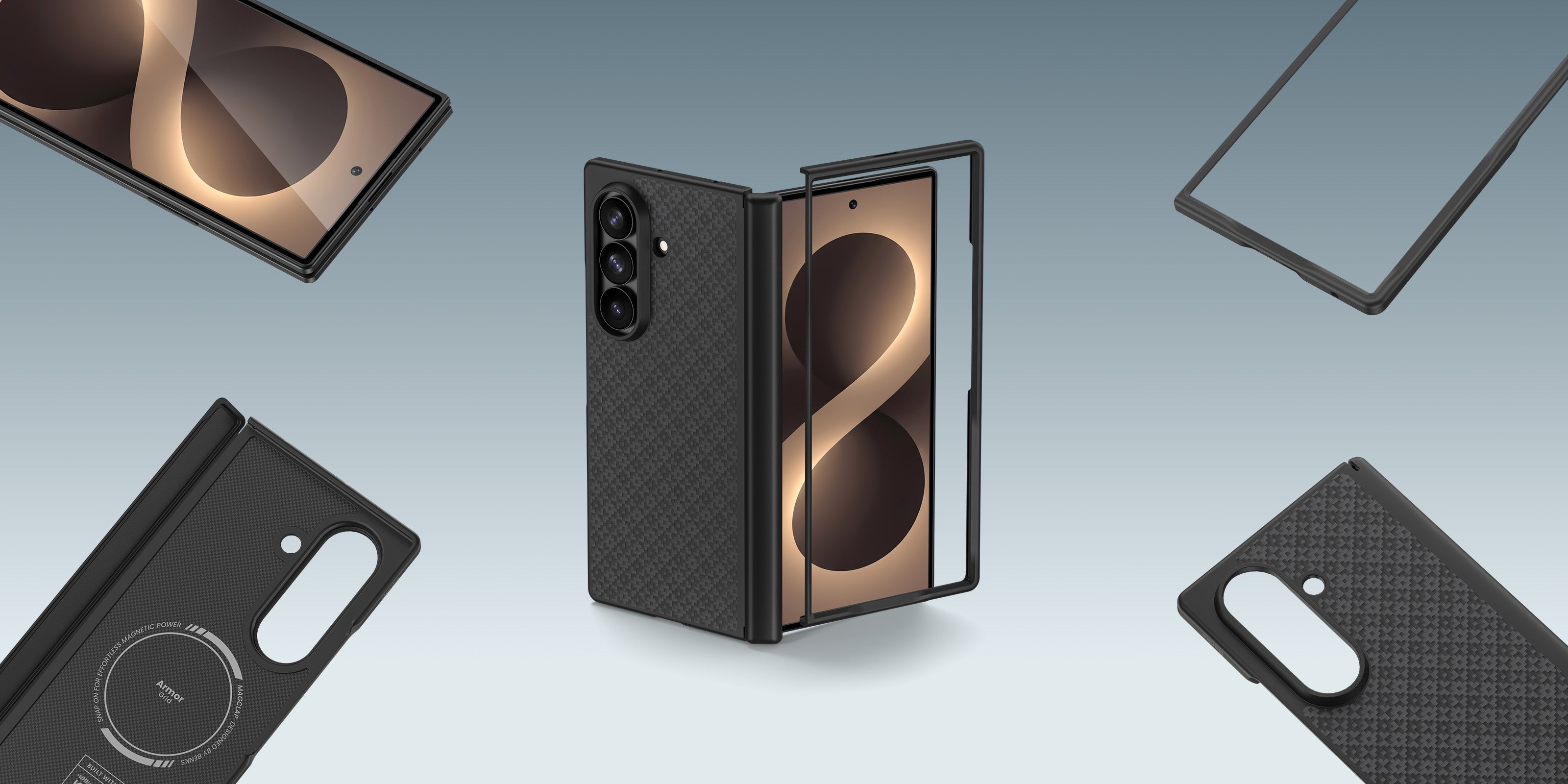
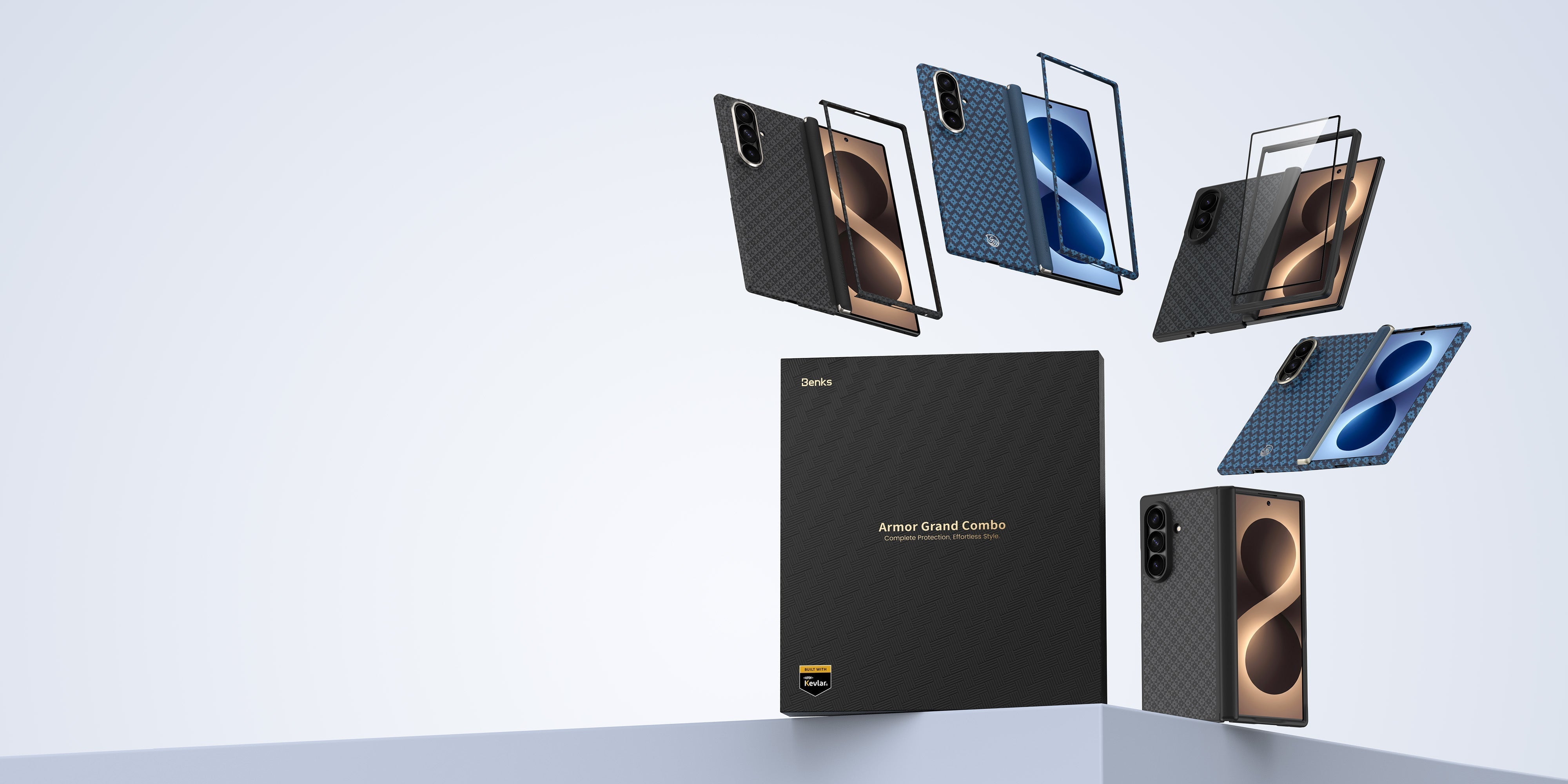
Samsung Galaxy Z Fold / Z Flip: The inner folding screen requires TPU film only — never rigid glass. The outer cover screen accepts standard glass. Both screens benefit from protectors given the folding mechanism creates unique stress points on the display. For device-specific guidance, check whether your model requires a front cover in addition to a screen protector.
iPad: For productivity use, a matte anti-glare film reduces reflections and provides a paper-like texture useful for Apple Pencil drawing and note-taking. For media consumption, glossy tempered glass preserves color accuracy. Anti-glare films reduce display sharpness by a small but noticeable amount — worth testing before committing if display quality matters to you.
Apple Watch: The display curves significantly on all current models, making flat glass impractical. TPU film or a dome-style glass protector designed specifically for the watch profile are the viable options. Before buying, see what to check before buying any screen protector.
FAQ
Does a screen protector affect touch sensitivity?
Quality tempered glass protectors have no measurable effect on touch sensitivity. Thick or low-quality films can introduce a slight lag, particularly on devices with 120Hz displays. If you notice a responsiveness difference after applying a protector, the protector quality is likely the issue, not the phone.
How often should you replace a screen protector?
Replace when the surface is visibly scratched enough to affect display clarity, when the edges are lifting, or after a significant impact that may have cracked the protector internally even if not visibly. A cracked protector has already absorbed its impact — it provides reduced protection for subsequent drops and should be replaced promptly.
Can I use a screen protector with a phone case?
Yes, but verify compatibility. Some cases with raised bezels can press against the edges of a protector and cause lifting over time. Cases and protectors from the same brand are more likely to be designed to work together. Slim cases with minimal bezel raise are the most universally compatible.
Is tempered glass or film better for curved screens?
Flat tempered glass fails on deeply curved screens because it cannot conform to the curve. For moderately curved screens, flexible adhesive tempered glass works. For deeply curved or folding screens, TPU film is the only reliable choice. Check the curvature rating of your specific device before buying glass.
What's the difference between 2.5D and 3D glass?
2.5D glass has slightly rounded edges to reduce sharpness at the perimeter — this is standard on most protectors. 3D glass curves to follow the screen's edge contour, providing better edge-to-edge coverage on curved displays. 3D glass costs more and is device-specific.
Do screen protectors interfere with Face ID or fingerprint readers?
Face ID (used on iPhones) is not affected by screen protectors. Under-display fingerprint readers (used on Samsung and other Android phones) can be affected by thick protectors or those not specifically designed for the sensor location. Look for protectors labeled as fingerprint-reader compatible for phones with this feature.
Browse the full Benks screen protector range — tempered glass, matte anti-glare, privacy, and lens protectors for iPhone 17, Samsung S26, iPad, and Apple Watch — at benks.com/collections/screen-protectors.


Leave a comment
This site is protected by hCaptcha and the hCaptcha Privacy Policy and Terms of Service apply.