
게시글: Does iPhone Duo Need Two Screen Protectors? Inner vs. Outer Screen Guide

Does iPhone Duo Need Two Screen Protectors? Inner vs. Outer Screen Guide
Two screens. Two completely different protection needs. A foldable changes how you think about scratches, screen films and case fit. This guide explains what belongs on the outside, what to avoid on the inside and when a coordinated Benks protection set makes sense.
Quick Answer: Does iPhone Duo Need Two Screen Protectors?
Not necessarily. The exterior cover display is a strong candidate for a compatible tempered-glass protector because it faces everyday contact with pockets, desks and bags. The flexible inner display is a different engineering problem: conventional rigid glass should not be applied across a folding surface. Before adding or removing any film on the inner screen, follow Apple’s model-specific care instructions. For most owners, the sensible first purchase is outer-screen protection that fits their chosen case.
1. Two Screens, Two Very Different Risks
The iPhone Duo changes the familiar screen-protection decision. A traditional phone presents one rigid display to the outside world. A book-style foldable has a cover screen used while closed and a larger screen used while open. Those surfaces do not experience identical contact, bending or pressure. Buying two identical protectors because the phone has two displays is therefore the wrong starting point. The right question is which surface is exposed, what kind of material it uses and what an accessory can safely do.
The cover screen handles the daily grind
Think about quick replies, directions, notifications, payments and calls. You may perform many of these tasks without unfolding the phone. That puts the cover screen in frequent contact with fingers and in proximity to hard surfaces. A screen protector gives you a replaceable top layer. It does not make the display unbreakable, but it can reduce the chance that routine abrasion reaches the original glass. For an expensive foldable, that is a practical reason to protect the exterior first.
The inner screen needs flexibility, not ordinary glass
The inner display must accommodate folding motion. A rigid tempered-glass sheet is not made to bend with that surface. Even a flexible third-party film should not be assumed safe: adhesive behavior, thickness and compatibility with any factory-applied layer matter. Do not peel a factory layer, press along the crease or install a generic film merely because its packaging says “foldable.” Consult Apple's official care guidance for the specific model before changing anything on the inside.

2. What Actually Scratches a Foldable’s Outer Display?
Scratches are not always caused by dramatic accidents. A phone placed face-down on a dusty table, slid into a crowded bag or rubbed against grit in a pocket can accumulate cosmetic wear. A cover-screen protector is valuable precisely because these ordinary moments happen repeatedly. The protector takes some of that contact and can be replaced when worn. It is still worth keeping abrasive particles away from the phone: a protector is an extra layer, not permission to ignore basic care.
Scratch resistance is not the same as drop protection
Marketing often compresses multiple ideas into one promise. A hard surface may resist certain scratches but still crack under a sharp impact. A protector may sacrifice itself in a fall without guaranteeing that the original display survives. Be cautious about labels such as “unbreakable,” “bulletproof” or unexplained hardness scores. What matters is the complete setup: glass fit, adhesive coverage, case clearance and the way you actually carry the device.
Clarity and touch are part of protection
An outer-screen protector is used every day, so optical quality matters. Look for clear viewing, natural touch response and an oleophobic surface that is easy to wipe clean. Edge alignment matters as well. A protector that leaves an awkward border or interferes with swipes can make a premium device feel worse. The best accessory is the one you stop noticing after installation, not the one with the loudest durability claim.
3. Why Case Compatibility Is a Bigger Deal on iPhone Duo
A foldable front frame sits close to the cover display. If a protector extends into the space occupied by the frame, the case can press on the glass edge. That pressure may create bubbles, adhesive lifting or a corner that collects lint. It is possible for two accessories to be marketed for the same phone and still fit poorly together. Always check whether a protector is described as case-friendly and whether the seller has tested it with the specific front frame you intend to use.
What causes edge lifting?
Edge lifting is often a fit problem rather than a failure of the glass itself. The front frame can overlap the protector, an installation can be slightly off-center, or debris can remain under an edge. Removing and reinstalling a protector repeatedly may make matters worse. Before applying one, dry-fit the frame, clean the display carefully and follow the supplied alignment instructions. If the case presses against the glass, do not force it into place.

Read the related Benks guide
For a deeper explanation of fit conflicts, see Do iPhone Duo Cases Work With Screen Protectors? How to Avoid Edge Lifting. That article focuses on the small dimensional details that can determine whether a seemingly good screen protector remains comfortable to use.
4. When to Buy a Benks Outer-Screen Protector
If you already own a case that fits well, a standalone screen protector is often the simplest upgrade. Benks’ GlassWarrior screen-protection range is worth reviewing for the iPhone Duo cover display, but check the live product page for the exact model designation, coating specification, installation kit and compatibility before ordering. A sapphire coating, where specified, is a surface treatment; it does not mean the protector is a solid sapphire panel or immune to damage. Product-specific claims should always come from the listing rather than assumptions about a product family.
A useful screen-protector checklist
Start with model compatibility. Next, look at the edge clearance, glass coverage, touch performance, included installation tools and replacement policy. If you already have a front frame, compare the dimensions before purchasing. If you plan to buy a case later, choosing the protector and case together can save the hassle of replacing an otherwise good piece of glass. You can browse Benks protection options at the official Benks store and confirm current availability there.
5. Why a Grand Combo Can Make More Sense Than Buying Separately
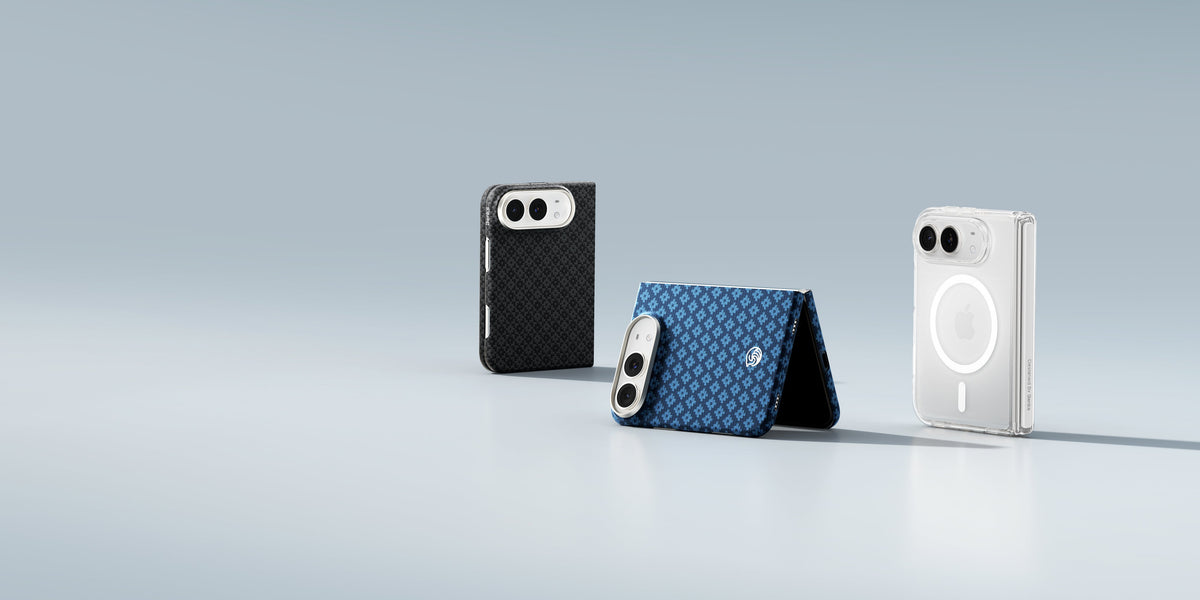
A screen protector only covers one part of the phone. The exterior frame and rear body still face scuffs and contact with hard surfaces. Buying a protector, front frame and rear shell separately may be reasonable, but it adds another decision: will the pieces work together? Benks’ iPhone Duo Grand Combo approach packages exterior protection into a coordinated set. This can be especially convenient for a new owner who has not already invested in accessories. It also avoids treating the screen protector as an isolated purchase.
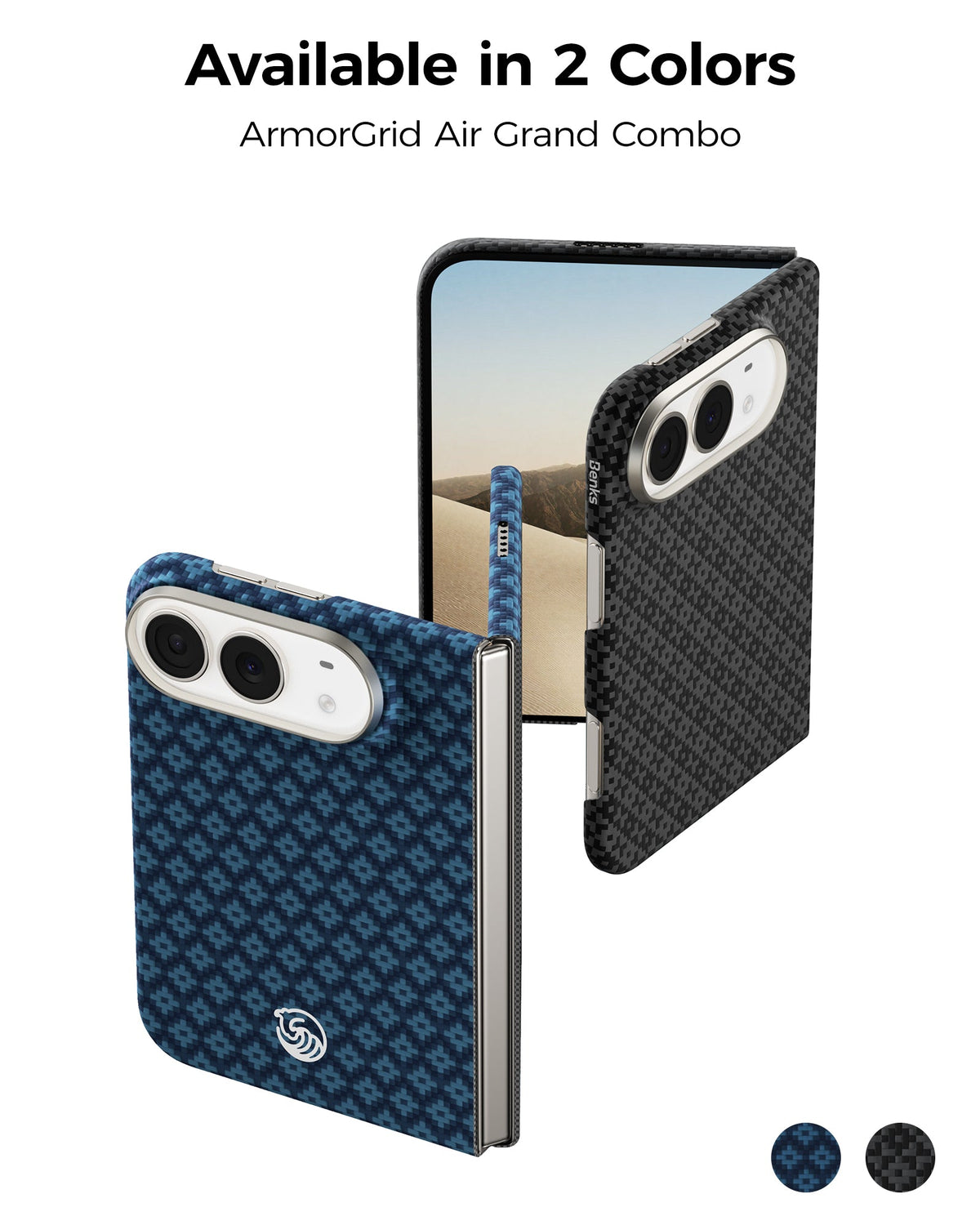
ArmorGrid Air Grand Combo: the slim approach
The ArmorGrid Air Obsidian Black Grand Combo combines a Kevlar®-based rear case, front frame and outer-screen protector. Its appeal is the balance of a slim, textured shell with coordinated exterior coverage. A foldable is already a complex object to hold and pocket; adding unnecessary thickness can make that experience less pleasant. ArmorGrid Air is aimed at buyers who want a lighter-feeling, less bulky setup rather than a rugged enclosure. It does not offer full hinge protection.
[IMAGE PLACEHOLDER — PRODUCT: Benks outer screen protector official photo]
Crystal Grand Combo: show the phone’s original design
The Crystal Grand Combo offers another direction: a transparent appearance with coordinated outer-screen and exterior-body protection. It makes sense for buyers who do not want a dark aramid-fiber texture to define the phone’s look. Compare the exact set contents and fit notes on the product page before purchase. Like ArmorGrid Air, this is not a substitute for a dedicated hinge-cover case if hinge impacts are your main concern.
6. Standalone Glass or Complete Combo: Which Is Better?
The right answer depends on what you already have. If your current case fits and you only need a fresh exterior glass layer, buying a compatible protector alone may be the better value. If you are starting from zero, a Grand Combo is a straightforward way to cover the outer display, front frame and rear body with coordinated parts. If you value a textured, slim finish, start with ArmorGrid Air. If you want a clearer look, compare Crystal. If you frequently drop devices and need direct hinge coverage, investigate a different case category rather than expecting either slim set to do everything.
7. Seven Mistakes to Avoid When Protecting the Duo’s Screens
First, do not put ordinary tempered glass on the folding inner display. Second, do not remove any factory-installed inner layer without explicit manufacturer guidance. Third, do not assume all “iPhone Duo” front frames and screen protectors share the same tolerances. Fourth, do not force a case over a lifting glass edge. Fifth, do not confuse scratch resistance with guaranteed impact survival. Sixth, do not overlook grit before closing the phone. Seventh, do not buy duplicate screen protectors before checking what a Grand Combo already includes. These habits matter more than exaggerated protection claims.
8. Everyday Care That Protectors Cannot Replace
Keep the folding area free from crumbs, sand and loose objects before closing the phone. Clean the displays using methods recommended by Apple, not abrasive cloths or aggressive cleaning products. Avoid pressing hard with fingernails or sharp tools on the inner screen. Do not store the phone where it will be compressed by heavy objects. Inspect your outer protector periodically: chips, cracks and lifting edges are reasons to consider replacement. Good accessories reduce some risks, but careful handling remains part of owning a foldable.
What about the crease and hinge?
The folding mechanism deserves its own discussion, but a cover-screen protector does not shield it. Nor does a slim open-hinge case provide full spine coverage. If you want to understand why the folding area is different, read Did Apple Buy iPhone Duo’s Crease Technology From Samsung? And How Should You Protect It?. For another look at the early display shape discussion, see That “D-Shaped” Screen Protector Was a Clue: What Apple’s iPhone Duo Actually Looks Like.
9. What to Buy First if You Are Preparing for Launch
Prioritize products whose exact fit and included components can be checked. A case-friendly cover-screen protector is a reasonable first consideration, followed by a coordinated frame and rear case if you want more exterior coverage. Be slower to purchase unverified inner-screen films or accessories that interfere with the hinge. Review return terms and product compatibility, especially while model-specific guidance is still evolving. Our related article iPhone Duo Accessories to Buy Before Launch — and What to Wait On offers a broader shopping checklist.

Final Verdict: Protect the Screen You Use Outside, Respect the Screen That Folds
The iPhone Duo does not need two identical screen protectors. The exterior cover display is the natural place for compatible tempered glass, while the flexible inner display should be treated according to Apple’s official instructions. Choose a case-friendly protector that preserves clarity and touch. If you also need a front frame and rear shell, consider a coordinated Benks Grand Combo rather than mixing parts blindly. The ArmorGrid Air Grand Combo is the slim Kevlar® option; the Crystal Grand Combo emphasizes a clear look. Smart protection means matching the material to the screen—not covering everything with the thickest layer available.
Frequently Asked Questions
Does iPhone Duo need two screen protectors?
No. The exterior rigid screen can benefit from a compatible tempered-glass protector. The flexible inner display has different requirements, so follow Apple’s guidance rather than applying a second conventional glass protector.
Can tempered glass go on the inner folding screen?
Conventional rigid tempered glass is not suitable for a folding surface. Do not apply it or remove any factory layer without manufacturer instructions.
Why does a screen protector lift when I install a case?
A front frame may overlap or press against the glass edge. Misalignment or trapped debris can also contribute. Use case-friendly components and follow installation guidance.
[IMAGE PLACEHOLDER — ILLUSTRATION: inner display care and debris prevention]
Does the ArmorGrid Air Grand Combo include screen protection?
The set is described as combining a front frame, Kevlar® rear case and cover-screen protector. Check the current listing for exact contents and compatibility.
Does a Benks Duo combo cover the hinge?
The ArmorGrid Air and Crystal options discussed here are not full hinge-cover cases. Buyers who need that coverage should choose a product specifically designed for it.
Is a standalone protector better than a combo?
A standalone protector can be sufficient when you already have a compatible case. A combo makes sense when you need coordinated exterior protection from scratch.
Will a protector make the screen unbreakable?
No. It can provide a replaceable protective layer, but no protector guarantees survival from every scratch, impact or drop.


댓글 남기기
이 사이트는 hCaptcha에 의해 보호되며, hCaptcha의 개인 정보 보호 정책 과 서비스 약관 이 적용됩니다.