
IP48 vs IPX8: The Truth About Galaxy Z Fold 8 Water and Dust Resistance
The Galaxy Z Fold 8 and Galaxy Z Fold 8 Ultra are both rated IP48. Samsung confirmed this at Galaxy Unpacked 2026, and it appears on the official spec sheet. If you're comparing this to flagship non-foldable phones — which typically carry IP68 ratings — the difference matters more than the similar-looking numbers suggest. Specifically, the "4" in IP48 vs the "6" in IP68 is a significant gap in real-world protection.
What IP Ratings Actually Mean
An IP (Ingress Protection) rating has two digits. The first digit describes protection against solid particles (dust). The second digit describes protection against liquids (water).
| Rating digit | Solid (dust) protection |
|---|---|
| 0 | No protection |
| 4 | Protected against solid objects larger than 1mm |
| 5 | Dust protected (limited ingress, not harmful) |
| 6 | Dust-tight (complete protection against dust) |
| Rating digit | Water protection |
|---|---|
| 7 | Immersion up to 1m for 30 minutes |
| 8 | Immersion up to 1.5m for 30 minutes (manufacturer-specified depth) |
IP68 (which flagship phones like the iPhone 17 Pro and Galaxy S26 Ultra carry) means: dust-tight + immersion protection. IP48 (which the Fold 8 carries) means: protected against objects larger than 1mm + immersion protection.
What IP48 Does Not Protect Against
The first digit "4" means the phone is protected against solid particles larger than 1mm. The following environments contain particles smaller than 1mm and are therefore not covered by IP48:
- Fine sand — most beach sand particles are 0.05–2mm; the sub-1mm fraction penetrates IP4-rated gaps
- Talcum powder and fine dust — well under 1mm
- Cement dust and construction environments
- Flour, baking powder, and kitchen fine powders
- Pollen
For most urban daily use — commuting, offices, restaurants, indoor environments — IP4 dust protection is adequate. The particles you typically encounter in daily life are large enough to be excluded. The gap appears in outdoor environments with fine particulate matter.

Why Samsung Uses IP48 Instead of IP68
This is not Samsung cutting corners. It's an engineering constraint specific to foldable phones. Achieving IP6X (dust-tight) certification requires completely sealing all openings. A book-style foldable has a hinge that must physically open and close hundreds of thousands of times. Maintaining a dust-tight seal across that moving hinge is currently incompatible with the mechanical requirements of a functioning foldable hinge.
Every major book-style foldable phone currently on the market — not just Samsung's — carries an IP4X or lower dust rating for the same reason. The Honor Magic V6, Motorola Razr Fold, and Oppo Find N6 all face the same fundamental constraint. IP48 on the Fold 8 Ultra is the current practical ceiling for this form factor.
What IP48 Does Protect Against
The water protection ("8") is unchanged from IP68 phones. IP48 means immersion in up to 1.5m of water for 30 minutes — Samsung's tested and certified depth for the Fold 8 and Fold 8 Ultra.
This covers:
- Rain, including heavy rain
- Splashes and spills
- Brief submersion (washing hands, caught in rain, drops in shallow water)
- Pool use at surface level
It does not cover:
- Snorkeling or diving
- Sustained submersion at depth
- Salt water (Samsung's warranty does not cover water damage from salt water regardless of rating)
- High-pressure water (showers, hoses)

What This Means for Daily Use
For most people in most environments, IP48 provides adequate protection. The dust gap is only relevant if you regularly expose your phone to fine particulate environments. If you use your phone at the beach, in dusty construction environments, or in desert conditions, the fine-dust gap is a real consideration.
The more important practical implication: IP ratings measure resistance against particle and water ingress into the device body. They say nothing about the screen, the camera lenses, or the cover display glass. A rated phone can still have its cover screen scratched or cracked, its camera lenses scuffed, or its display damaged by drops. IP48 does not replace a case.
How a Case Interacts with IP48
A well-fitted case adds mechanical protection that IP ratings do not address: corner drop absorption, hinge debris protection, and cover display scratch resistance. For a device with a mechanical hinge that the IP4 dust rating specifically cannot fully seal, a case that wraps the hinge area without obstructing its operation provides meaningful additional protection.
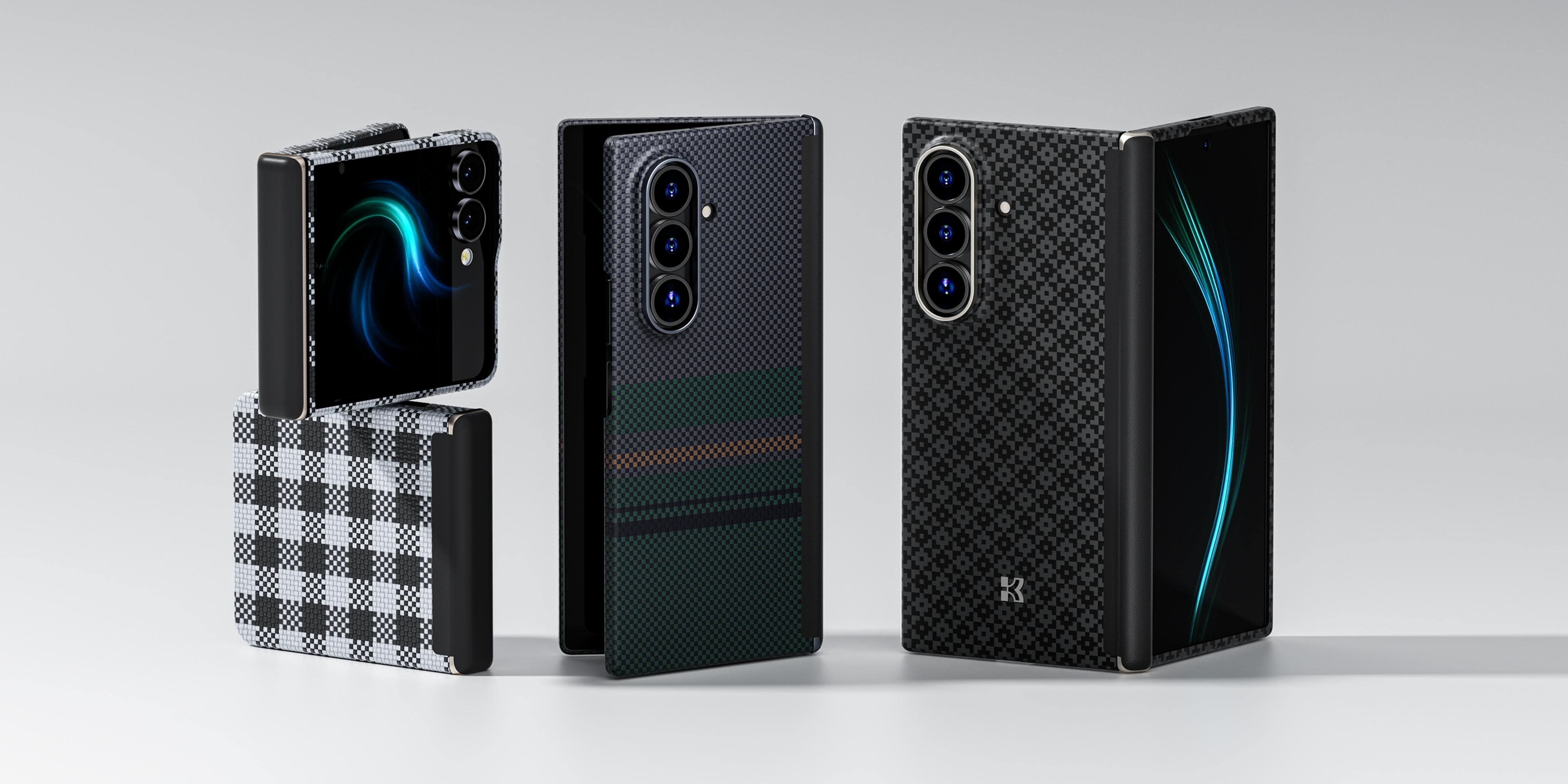
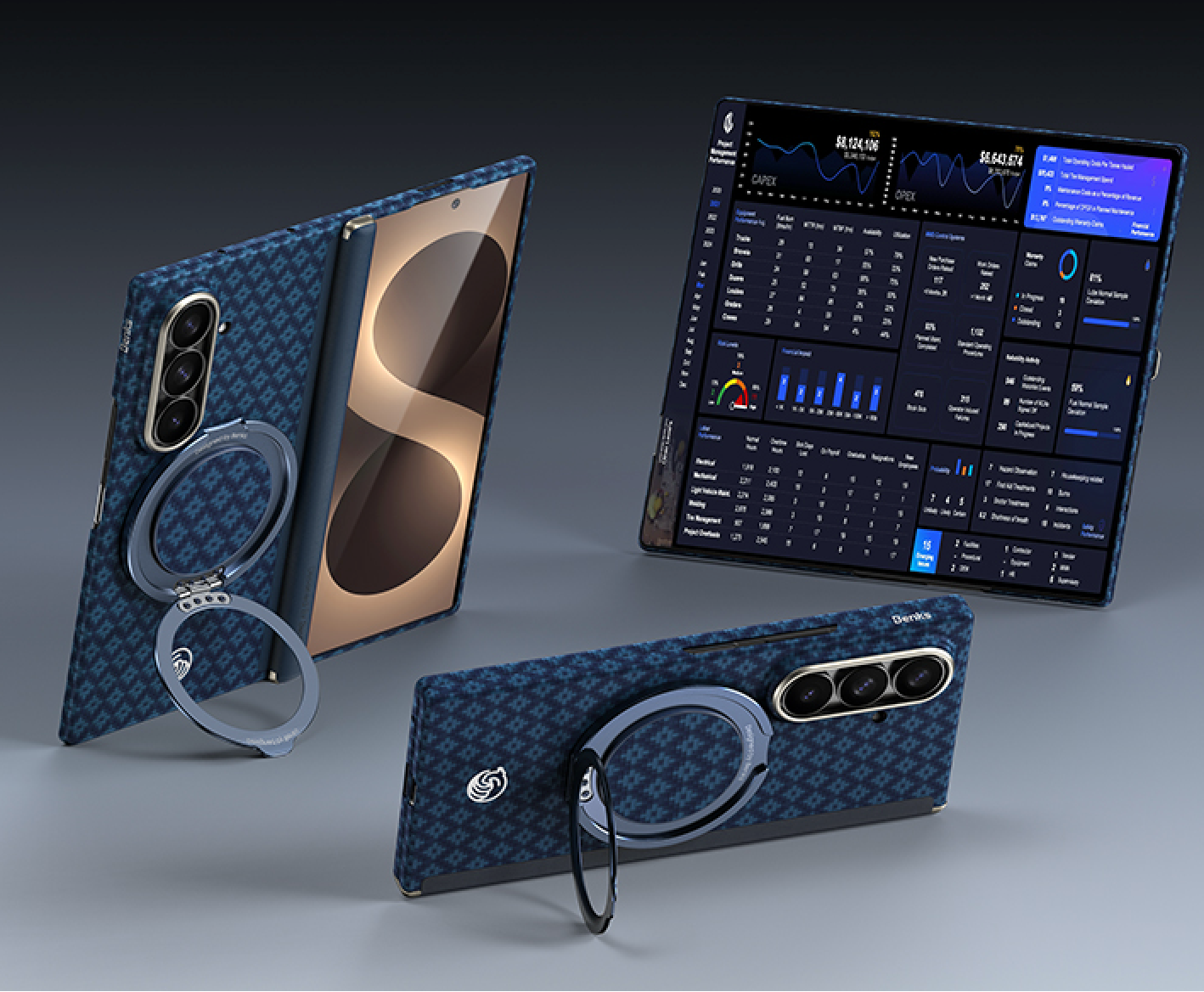
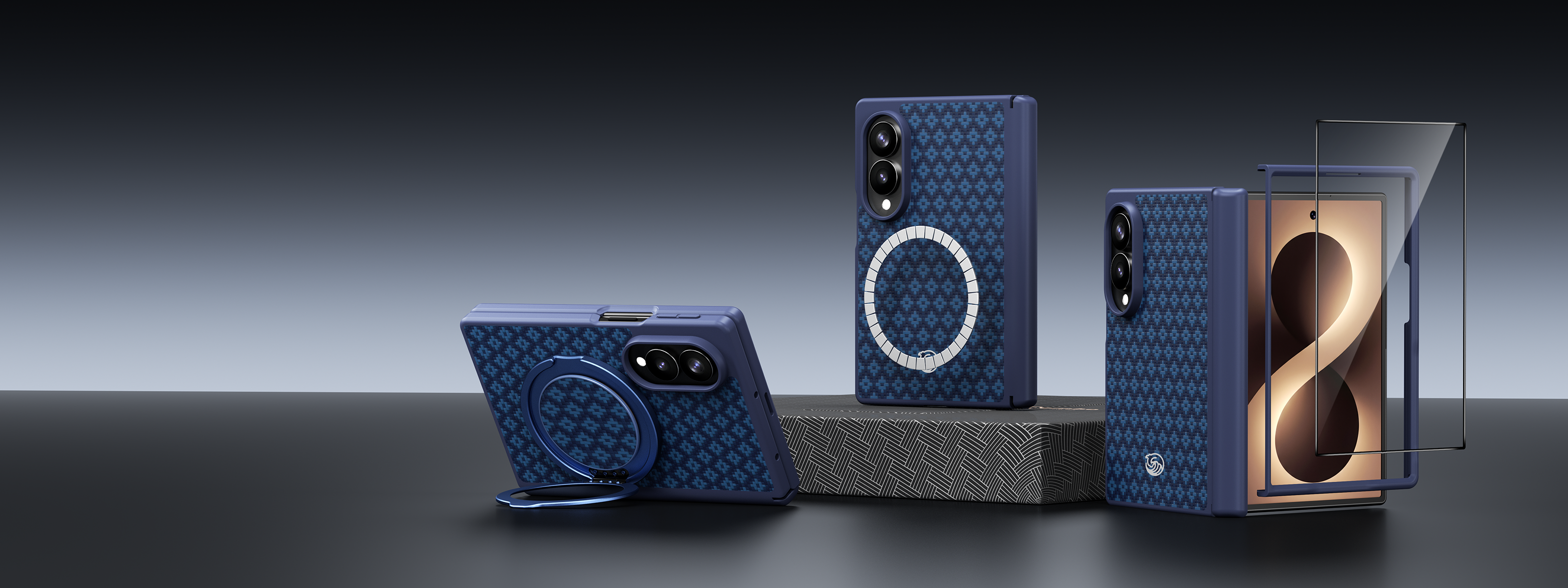
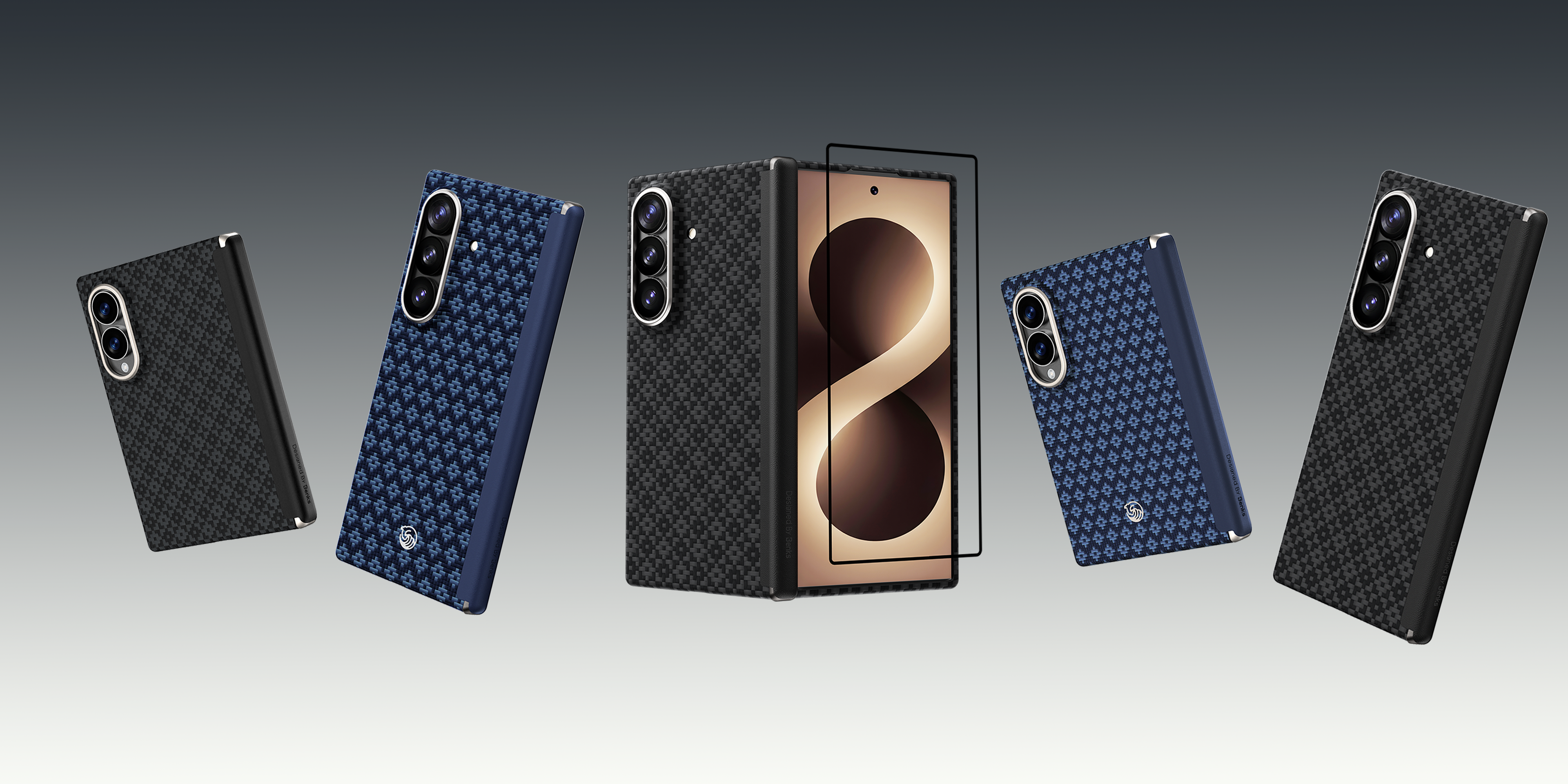
The Benks ArmorGrid Pro Grand Combo for Galaxy Z Fold 8 Ultra includes a TPU-wrapped magnetic hinge cover. The hinge cover protects against debris accumulation around the hinge mechanism without restricting range of motion — addressing exactly the area where IP48's dust protection is most limited.
The ArmorGrid Air Grand Combo uses a Kevlar® hinge strip for users who prioritize minimal profile. Both cases are made from DuPont™ Kevlar® (aramid fiber), which is non-conductive and does not interfere with Qi2.2 wireless charging.
For a full explanation of why Kevlar® is the right material for a foldable case, see Read This Before You Buy an Aramid Fiber Case and Why DuPont™ Kevlar®, Not Carbon Fiber.
Use code Fold8 at checkout for 8% off all Grand Combo bundles.
FAQ
Is the Galaxy Z Fold 8 Ultra waterproof?
It's water-resistant to IP48, meaning immersion up to 1.5m for 30 minutes. It is not fully waterproof, and Samsung's warranty does not cover water damage.
What's the difference between IP48 and IP68?
Both have the same water protection (8 = immersion up to 1.5m/30min). The difference is dust: IP6X is dust-tight (complete protection), IP4X only blocks particles larger than 1mm. Fine dust and sand can still enter through IP48-rated gaps.
Can I take my Galaxy Z Fold 8 Ultra to the beach?
The water protection is sufficient for splashes and brief immersion. However, fine beach sand particles are below 1mm and can penetrate IP4-rated openings, including the hinge gap. Use caution in sandy environments and avoid getting fine sand into the hinge.
Does a case improve water or dust resistance?
Cases are not tested or certified for IP ratings. A well-fitted case can reduce debris accumulation around the hinge, which helps with the dust protection gap, but does not change the phone's certified IP rating.
Why don't foldable phones have IP68?
Achieving IP6X (dust-tight) requires completely sealing all openings. A foldable hinge must mechanically move hundreds of thousands of times, making a dust-tight seal across the hinge currently impossible to achieve at scale.
Shop Fold 8 Ultra cases:
Galaxy Z Fold 8 Ultra Cases →
Galaxy Z Fold 8 Cases →
Galaxy Z Fold 8 Ultra Screen Protectors →



Leave a comment
This site is protected by hCaptcha and the hCaptcha Privacy Policy and Terms of Service apply.