

Artículo: iPhone Duo Case Lifting Your Screen Protector? Causes and Fixes
iPhone Duo Case Lifting Your Screen Protector? Causes and Fixes
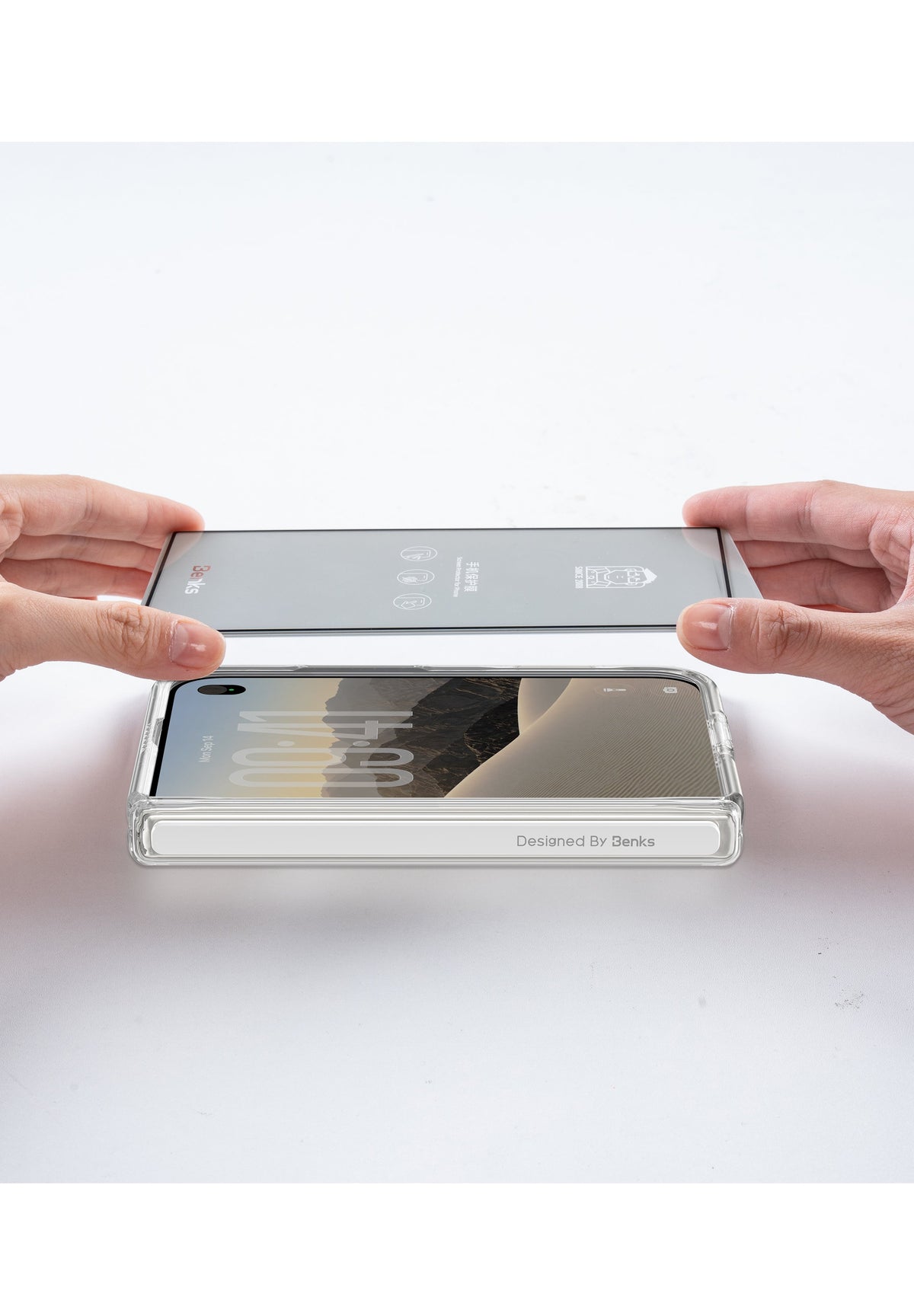
Your new iPhone Duo case looks great—until the front frame pushes up the edge of your screen protector. A small bubble appears, then grows every time you close or handle the phone. If that sounds familiar, the issue may be accessory fit rather than the protector alone.
Here is how to identify the cause, avoid common installation mistakes, and choose a more compatible case-and-screen-protector setup.
Why Does an iPhone Duo Case Lift a Screen Protector?
A foldable phone's outer display sits close to the front frame. If a case frame overlaps the edge of a screen protector, even slightly, pressure can cause the protector to lift or form bubbles. This can happen when the two accessories were designed with different edge clearances.
Other possible causes include a protector positioned too close to one side, dust trapped during installation, or an adhesive layer that has not bonded evenly. A lifting edge does not automatically mean the glass itself is defective.
How to Tell What's Causing the Problem
- Check the timing: Did the protector lift immediately after you installed the front frame? That suggests a fit conflict.
- Look at the contact point: If the bubble starts where the frame meets the glass, compare their edges.
- Remove pressure carefully: If the protector sits flat without the frame, the combination may not have enough clearance.
- Inspect for dust: A small particle can create a bubble even when the accessories fit.
Follow the manufacturers' removal instructions and avoid forcing the frame against the display. If the glass is cracked, chipped, or lifting significantly, replacement may be safer than repeated pressing.
How to Prevent Screen Protector Lifting
Start by choosing an outer-screen protector designed for the exact phone model. A protector that fits a similar-looking device may still have different dimensions. Then check whether the case maker identifies the front frame as compatible with your chosen protector.
During installation, clean the outer display, align the protector carefully, and follow its application instructions. Before securing the front frame, check that it does not press on the protector's edges. If the frame uses adhesive strips, follow the product instructions rather than repeatedly removing and reinstalling it.
When buying a new setup, consider a coordinated iPhone Duo case and screen protector combo. It can simplify shopping by grouping components intended for the same device, but it is still worth checking the specific SKU and installation guidance. A bundle is not a universal guarantee against lifting.
What to Look for in a 3-Piece Protection Set
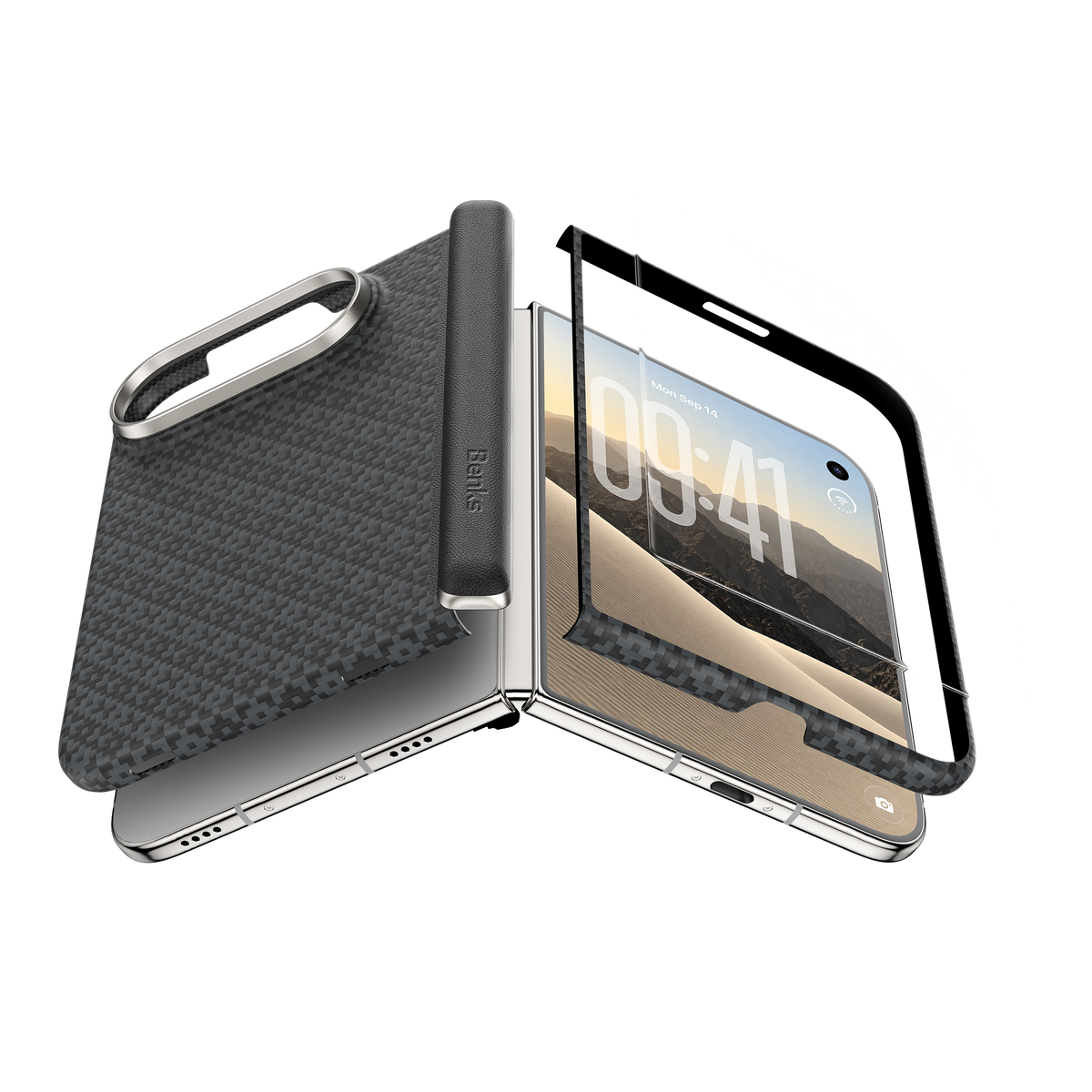
A typical three-piece configuration includes a rear shell, front frame, and outer-screen protector. Each part serves a different purpose: the rear shell covers the back, the front frame adds coverage around the outer display perimeter, and the protector adds a layer over the display surface.
For buyers who prefer less bulk, a Kevlar Aramid Fiber rear case may be worth considering because the material can be used in slim composite construction. However, case material alone does not determine whether the front frame and screen protector fit together.
Before ordering, confirm the package contents, front-frame design, protector dimensions, and whether the selected version includes hinge coverage. Benks offers iPhone Duo configurations with different coverage approaches; check the exact listing rather than assuming all variants have identical fit or accessories.
Explore Benks iPhone Duo Case Options →
Frequently Asked Questions
Why does my screen protector bubble when I put on a case?
The case frame may be pressing against the protector's edge. Misalignment, dust, or installation issues can also cause bubbles.
Should I install the screen protector before the front frame?
Follow the instructions supplied with your specific products. In many setups, applying and aligning the protector before fitting the frame makes edge clearance easier to check.
Will a three-piece set stop the protector from lifting?
Not necessarily. A coordinated set may reduce compatibility guesswork, but actual fit depends on the specific components and correct installation.
Does a three-piece set protect the hinge?
Not automatically. Some configurations leave the hinge exposed, while dedicated hinge-protection designs add a separate cover.
Final Takeaway
If an iPhone Duo screen protector lifts after you install a case, check the front-frame clearance first. Matching the exact device model, following installation instructions, and reviewing component compatibility are more useful than assuming a thicker case will solve the problem.
Ready to compare slim cases and coordinated protection options? Browse Benks iPhone Duo cases and check the details of your preferred configuration →


Dejar un comentario
Este sitio está protegido por hCaptcha y se aplican la Política de privacidad de hCaptcha y los Términos del servicio.